Blog
Junction Box for Security Camera Wiring: Sizing Guide
Size a camera junction box before you try to seal it: cable types, the RJ45 that will not pass a gland, bend radius, volume arithmetic and the four places water really gets in.
Read More
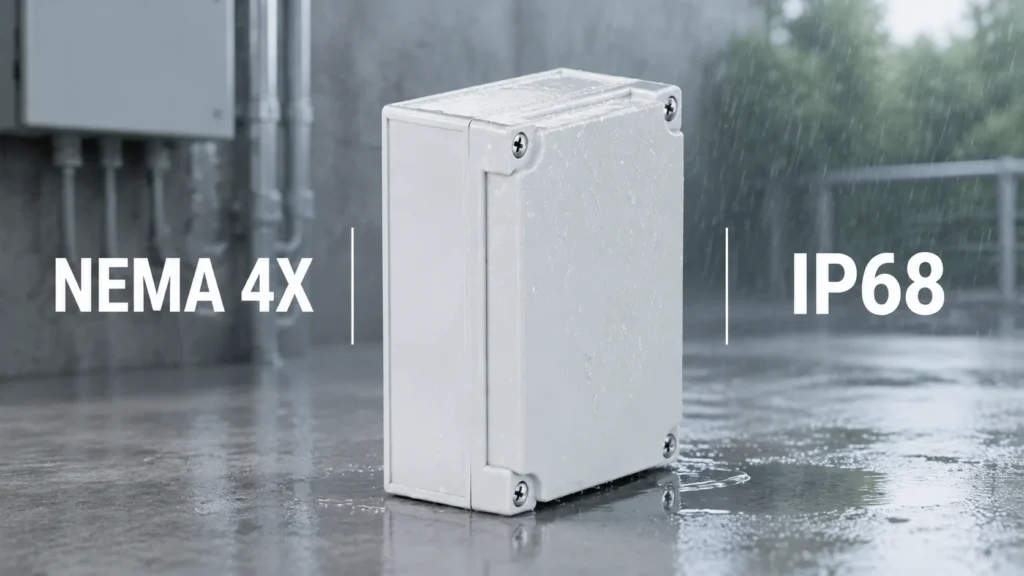
A drawing that asks for NEMA 4X versus a datasheet that answers IP68 looks like a choice between two grades of the same thing. It is not. The two codes come from different standards bodies, they are proven with different test rigs, and one of them does not define a fixed test at all. That gap is where rejected submittals and wet waterproof junction boxes come from.
This guide puts the NEMA 4X vs IP68 question on the test bench: what each code certifies, why the correct cross-reference is not Type 4X, why the conversion runs one way only, and the sentence to write into a specification so the question does not come back before shipment.
NEMA types are defined in NEMA 250 and referenced by NEC Article 110.28; IP codes are defined in IEC 60529. NEMA 250 publishes a conversion table, and it is the only defensible basis for cross-referencing the two systems.
| NEMA Type | Hazards tested beyond ingress | Meets or exceeds |
|---|---|---|
| 4 | Hose-directed water, windblown dust, rain, snow, sleet, external ice | IP65, IP66 |
| 4X | All of Type 4 plus corrosion resistance | IP65, IP66 |
| 6 | Type 4 hazards plus occasional temporary submersion | IP65, IP66, IP67 |
| 6P | Type 6 hazards plus prolonged submersion and corrosion | IP65, IP66, IP67, IP68 |
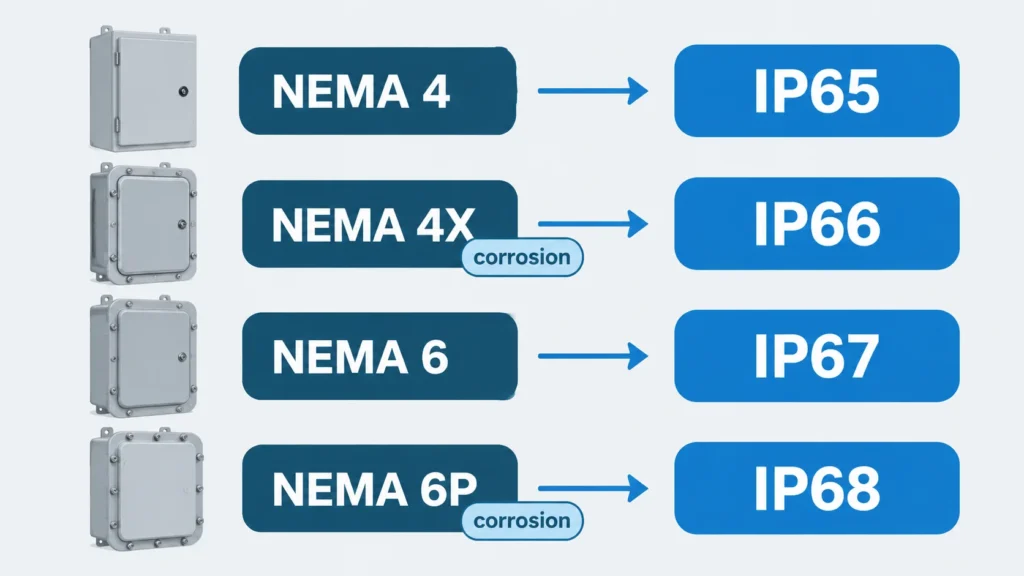
Read twice. Type 4X stops at IP66; only 6P reaches IP68. A specification offering “NEMA 4X or IP68” as interchangeable options is offering two performance levels and calling them equal.
A Type 4X enclosure is sprayed with hose-directed water, checked for dust ingress, subjected to an external icing test, and required to resist corrosion — commonly verified with a 200-hour salt-spray exposure to ASTM B117. No step lowers the enclosure into water. A 4X box can pass every requirement while being unable to survive a flooded vault: submersion was never on its test list.
IEC 60529 fixes the tests for IPX1 through IPX7, but IPX8 is open by design: the manufacturer states the depth and duration, and the test runs to those declared conditions. Two junction boxes can both carry IP68 where one was proven at 1 m for 30 minutes and the other at 10 m for weeks. The code says immersion was survived, not where.
That makes IP68 a weaker purchasing signal than most buyers assume. A datasheet printing IP68 with no depth and no duration is not a specification, it is a logo. Ask for the declared condition in writing.
If your application genuinely involves standing water — a pit, a flooded vault, a below-grade handhole — the NEMA equivalent to compare against IP68 is Type 6P, not 4X. Type 6P carries prolonged submersion and corrosion resistance together, the closest NEMA language to what IP68 asks of a supplier.
If instead your application is rain, washdown and coastal air, Type 4X is the right target and IP66 the honest IP equivalent. Choosing IP68 for a hose-down job buys a test that never modelled your exposure.
NEMA 250 can be converted to an approximate IP rating. The reverse is not valid, and the test methods show why. Work the nozzle arithmetic:
| Test | Flow | Nozzle bore | Exit velocity |
|---|---|---|---|
| NEMA 250 hose test (Type 4 / 4X) | ~246 L/min | 25.4 mm | ~8.1 m/s |
| IEC 60529 IPX6 jet | 100 L/min | 12.5 mm | ~13.6 m/s |
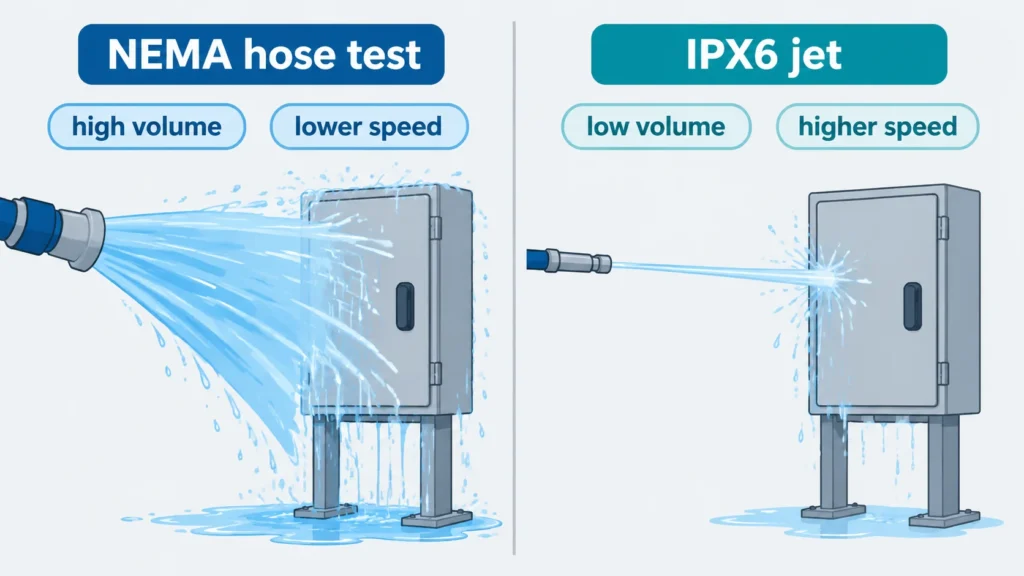
The NEMA hose moves roughly 2.5 times the water at about 60 percent of the jet speed. Neither test is a scaled copy of the other: an IP66 enclosure has never faced the NEMA hose volume, and a 4X enclosure has faced a corrosion exposure IP66 ignores. That asymmetry is why NEMA states plainly that IP ratings are not a substitute for enclosure type ratings on US installations.
Both systems rate the assembled, closed enclosure. A Type 4X housing fitted with an unrated conduit entry, an open knockout, or a gland whose seal was never tightened is no longer a Type 4X housing. NEMA requires fittings to be tested to a type at least equal to the enclosure, and the installed rating falls to the lowest-rated component in the chain.
The same logic governs IP. The enclosure may be IP67 while the entry hardware is IP54 and the field-terminated cable end is nothing at all. When you audit a supplier’s claim, the enclosure plate is the least interesting part of the question. Ask what they supply for the junction box cable entry and whether those fittings carry the same rating. On US projects the fittings have their own listing route, which the UL 514B overview covers.
Most Asian enclosure manufacturers publish IP and little else. Our own JX-AG series is an example worth walking through honestly, because it shows what an IP-only datasheet can and cannot support.
IK08 is worth separating out, because NEMA 250 carries no impact scale. IK08 means 5 joules under IEC 62262 — about a 2 kg mass from 25 cm. Expect that number from a different clause than the enclosure type, in writing.
For the inverse direction — what each IP digit really proves — the IP rating matrix for junction boxes covers the digit-by-digit test conditions and the four places a sealed box still leaks.
Most of this confusion disappears with one well-built line. Specify both systems, tie each to its standard, and make the entries part of the claim:
Enclosure: NEMA Type 4X per NEMA 250, and IP66 per IEC 60529, both verified with cable entries and unused openings fitted and sealed.
Three things in that sentence do the work: it names the standard behind each code so nobody can substitute a marketing claim, it requires both ratings instead of treating them as alternatives, and it pulls the entries into scope — where installed failures actually begin.
If the site is a flooded vault instead of a washdown wall, rewrite the first clause as Type 6P and keep the second as IP68 with a declared depth and duration. The rest of the logic holds.
| Buying mistake | What it costs | Fix |
|---|---|---|
| Treating 4X and IP68 as equivalent options | Submittal rejection, or a box that fails in standing water | Cross-reference to Type 6P for submersion duty |
| Accepting “IP68” with no depth or duration | No way to compare two bidders | Require the declared test condition in writing |
| Rating the box but not the cable entries | Installed rating drops to the weakest part | Put entries and unused openings inside the spec line |
| Using IP66 as proof of corrosion resistance | Coastal or chemical sites corrode on schedule | Ask for Type 4X salt-spray evidence or a material spec |
NEMA 4X and IP68 are not two grades of one scale. Type 4X adds corrosion and icing to a hose-and-dust test and stops at IP66. IP68 is a supplier-declared immersion test whose severity you read off the datasheet. Compare like with like — 4X against IP66, 6P against IP68 — and put both standards plus the cable entries into the specification. If you are working through a North American submittal, our team can walk the waterproof junction box selection process with you or take the question through contact.
No. Type 4X is equivalent to about IP66 plus a corrosion requirement. It has no submersion test, so it cannot be equal to IP68. The NEMA type that reaches IP68 is Type 6P.
Neither is universally better. Type 4X is stronger for hose-down, rain, ice and corrosive sites with North American documentation needs. IP68 is stronger where the enclosure may sit in standing water. Match the test to the exposure.
No. NEMA 250 allows NEMA types to be expressed as approximate IP equivalents, but the reverse fails because IP testing omits corrosion, icing and the NEMA hose volume. IP ratings are not a substitute for enclosure type ratings on US installations.
That the enclosure survived continuous immersion at the depth and duration the manufacturer declared. Those two numbers vary widely between suppliers, so IP68 alone is not comparable across datasheets.
No. Impact resistance sits outside NEMA 250’s type system. IK08 means 5 joules of impact energy under IEC 62262 and should be specified as a separate line item.
Ask for NEMA 250 test evidence. If none exists, either negotiate the specification to IP66 with entries in scope, or change the enclosure. Do not accept a written conversion as a substitute for testing.
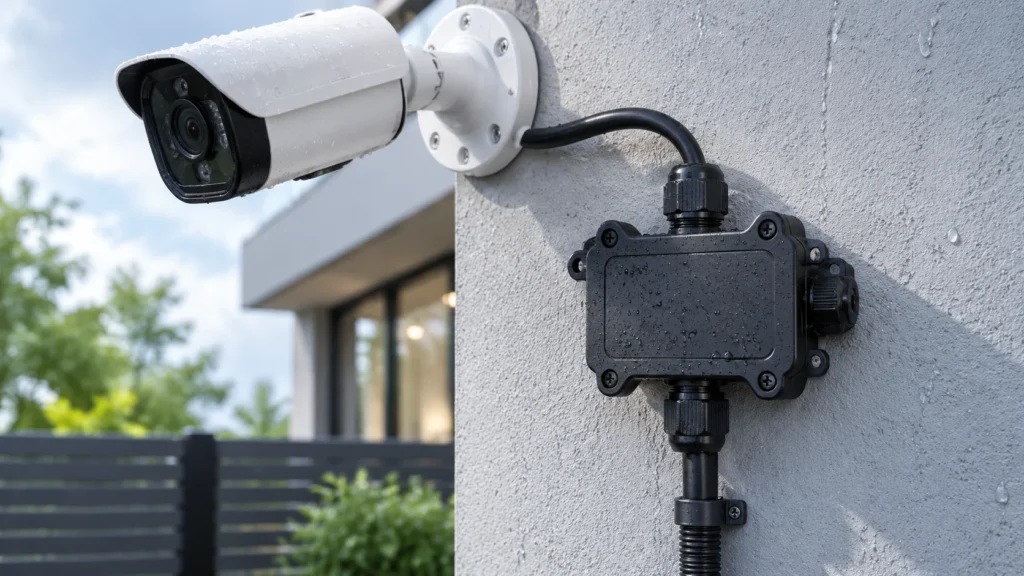
Size a camera junction box before you try to seal it: cable types, the RJ45 that will not pass a gland, bend radius, volume arithmetic and the four places water really gets in.
Read More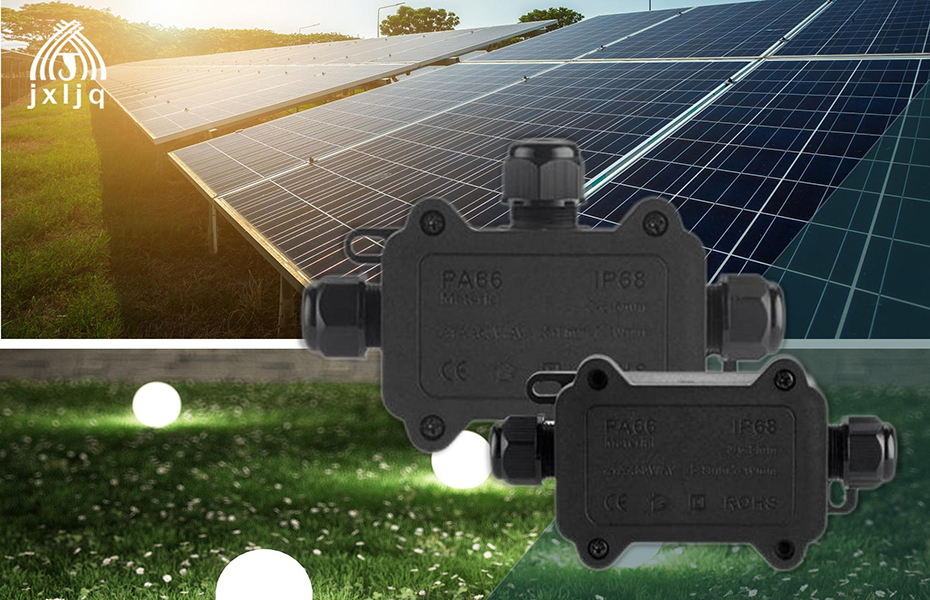
What small waterproof junction boxes are used for: outdoor lighting, buried fixtures, security, solar and pump wiring, with features, selection and DIY installation.
Read More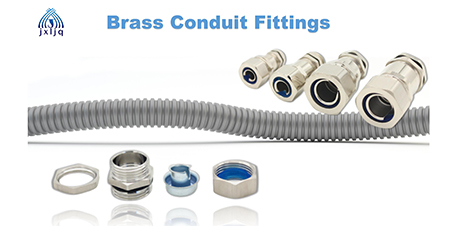
What brass conduit fittings are, why nickel-plated brass is used, the types, key specifications, applications, installation steps and how to choose the right fitting.
Read More