Blog
What is the IP Rating of Metal Cable Glands?
Learn what the IP rating on metal cable glands means under IEC 60529, how IP65 to IP69K compare, how glands are tested, and how to choose the right rating.
Read More
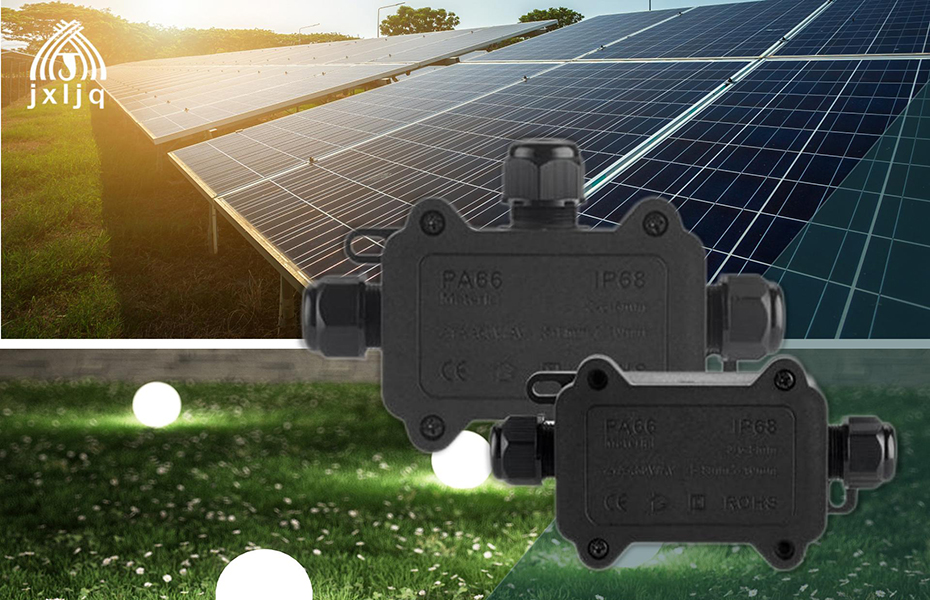
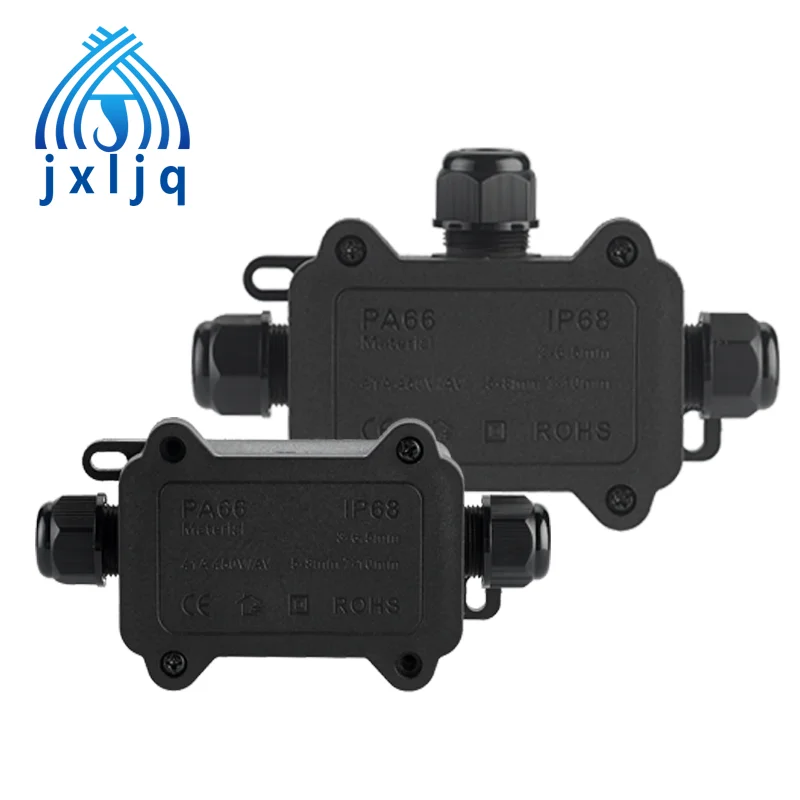
A small waterproof junction box is a compact, sealed electrical enclosure designed to keep sensitive electrical connections protected and secure in any environment, even underground. It is a mini electrical box mounted to house framing, a wall, a light pole or another structure, containing the connection or splice of two or more circuit cables. Inside, screw terminals hold the wires together; outside, a watertight housing with rubber entry seals keeps moisture, dust and debris away from the connection.
Small waterproof junction boxes are the standard answer for outdoor wiring wherever two or more cables must be joined in a damp location, and they are widely used in outdoor waterproof facilities, street lights, buried lights, garden lights, outdoor floodlights and similar installations.
Electrical codes require that cable splices and terminations be housed inside an enclosure, and in outdoor or damp locations that enclosure must be weatherproof. A small waterproof junction box delivers four things at once:
The most common applications are outdoor lighting and low-voltage wiring projects:
When you compare small waterproof junction boxes, these features decide whether the box protects the connection for years:
| Feature | Typical specification | Why it matters |
|---|---|---|
| Housing material | PA6 / PA66 nylon, flame retardant | High mechanical strength, heat and chemical resistance |
| Sealing ring | Silicone rubber | Effective, durable waterproofing that stays flexible in cold weather |
| Protection level | IP68 | Dust-tight and protected against continuous immersion |
| Operating temperature | -40°C to +105°C | Adapts to both high and low temperature environments |
| Wiring method | Screw crimping on brass terminals | Fast, secure, tool-friendly termination |
| Configurations | 2-way, 3-way, 4-way openings | Matches the number of cables being joined |
| Cable range | 3-6.5 mm, 5-8 mm, 7-10 mm | Rubber plugs match the cable diameter for a tight seal |
A F1-2T/3T/4T mini waterproof junction box is a typical example: a compact IP68-rated PA6 housing with a silicone O-ring, nickel-plated brass conductors, screw-crimping wiring, V0 flame-retardant rating and cable range options from 3 mm to 10 mm. The F1 series mini junction box offers the same IP68 protection in 2T, 3T and 4T core versions for space-constrained wiring.
Work through the installation before ordering:
Small waterproof junction boxes are popular for DIY circuits and extension cords because installation needs only a screwdriver:
Always de-energise the circuit before working, and for installations exposed to rain, washdown or burial, pair the junction box with properly rated cable glands for a complete sealed entry, as covered in our guide to waterproof cable glands and IP68 junction boxes for outdoor wiring.
A small waterproof junction box protects the electrical connections that outdoor lighting, security systems, solar wiring and DIY projects depend on. Built from flame-retardant nylon with a silicone seal, rated IP68, and wired with simple screw terminals, it keeps moisture and dust away from the splice while surviving heat, cold, rain and even burial. Choose the configuration and cable range that match the junction, install it with the correct rubber plugs, and the box will protect the connection for the life of the installation.
If you are selecting a small waterproof junction box for an outdoor or underground project, contact us with the number of cables, their diameters and the installation environment, and our team will recommend the right size and configuration.
A small waterproof junction box houses the connection or splice of two or more circuit cables in outdoor, damp or underground locations. It protects the terminals from water, dust and debris and is used for garden lighting, street lights, security cameras, solar wiring and pumps.
Yes, an IP68-rated junction box is dust-tight and protected against continuous immersion, so it can be buried or placed where standing water occurs. For permanent underwater installation, consider potting the interior with epoxy for additional protection.
For rain and washdown, IP65 or IP66 is adequate. For burial, areas with standing water or permanent outdoor exposure, choose IP67 or IP68. The higher rating guarantees protection against temporary or continuous immersion.
Loosen the screw terminals, insert the stripped wire ends, tighten the screws with a screwdriver, seat each cable in its matching rubber plug and close the lid. Always disconnect power before installation and use the correct plug for the cable diameter.
Most are made of flame-retardant PA6 or PA66 nylon with a silicone rubber sealing ring and nickel-plated brass conductors. This combination provides mechanical strength, heat and chemical resistance, durable waterproofing and reliable electrical contact.
Small boxes are available in 2-way, 3-way and 4-way configurations. A 2-way box joins two cable ends, while 3-way and 4-way versions allow additional branches. Choose the configuration that matches the number of cables in the junction.
Learn what the IP rating on metal cable glands means under IEC 60529, how IP65 to IP69K compare, how glands are tested, and how to choose the right rating.
Read More
Introduction Outdoor electrical enclosures are constantly exposed to rain, dust, temperature changes, and UV radiation. Choosing the right cable entry solution is essential.The IP68 nylon cable gland is one of the most reliable options for outdoor enclosures. Why IP68 Matters for Outdoor Use Outdoor environments require long-term sealing performance. IP68-rated nylon cable glands provide: Common […]
Read More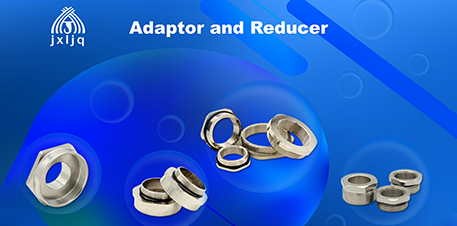
When to use a cable gland adaptor, reducer or enlarger: the difference between them, common thread combinations, and how to keep the IP rating when threads do not match.
Read More