Blog
How to Audit a Junction Box Factory: QC Steps and Reports
A factory visit rarely explains why a box leaks. What to measure in thirty minutes, which five dimensions decide the seal, and what each test report proves.
Read More
Your blog category
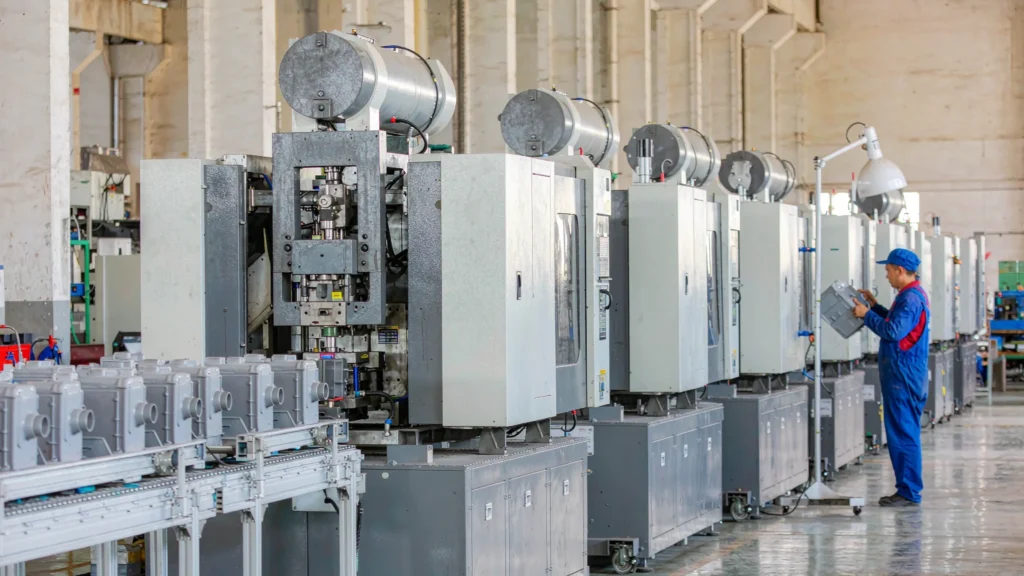
A factory visit rarely explains why a box leaks. What to measure in thirty minutes, which five dimensions decide the seal, and what each test report proves.
Read More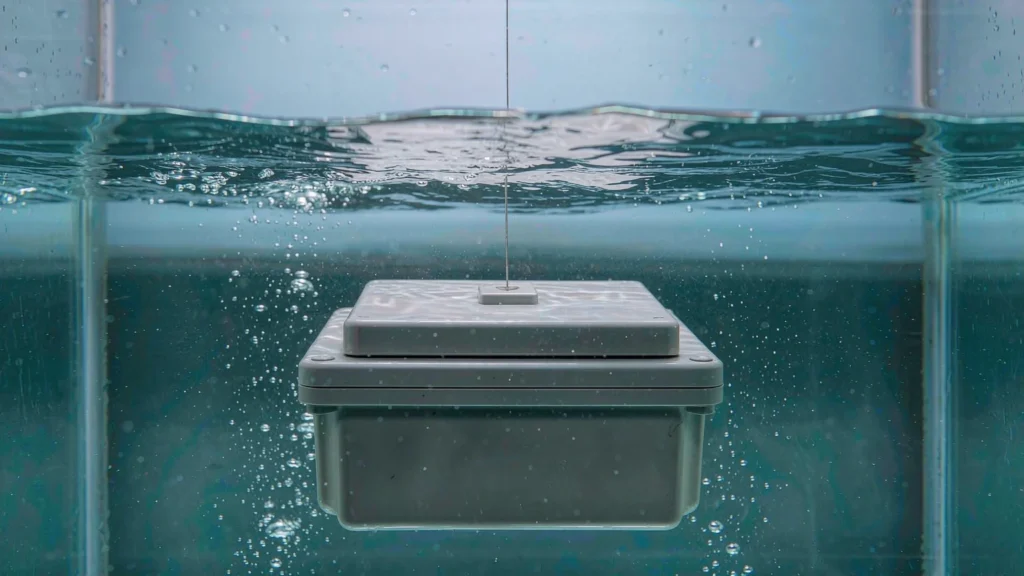
IP68 leaves depth and duration to the manufacturer, so the badge alone means little. How to read a depth claim, test a seal, and specify conditions on a PO.
Read More
A UL 94 V-0 junction box is judged on five plastic strips, not on the box you receive. What the grade covers, why glow wire asks a different question, and what to write on the order.
Read More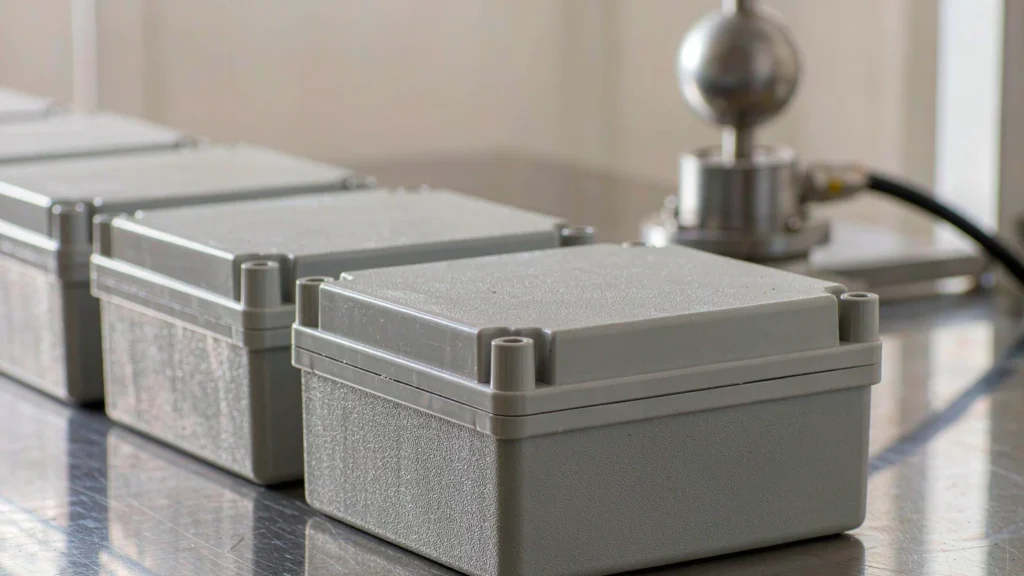
UL 50E and IEC 60529 are not rival answers to one question: one certifies an enclosure as a product, the other tests a sample. How to ask for both, and what a file number proves.
Read More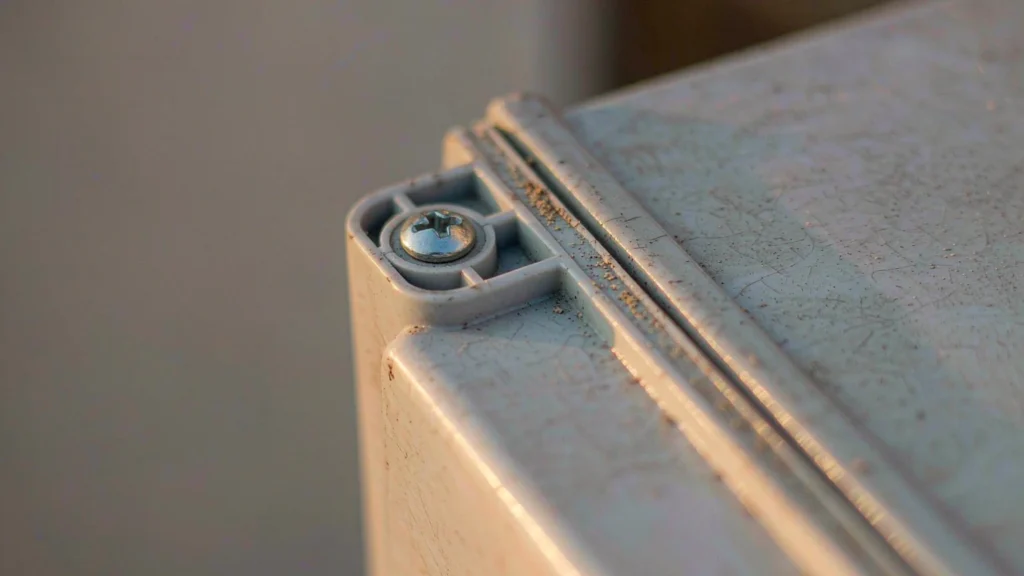
A UV resistant junction box is a claim, not a category. This guide covers UV dose, test-hour arithmetic, colour as a stabiliser, and the gasket, stopper and boss failures that end outdoor life first.
Read More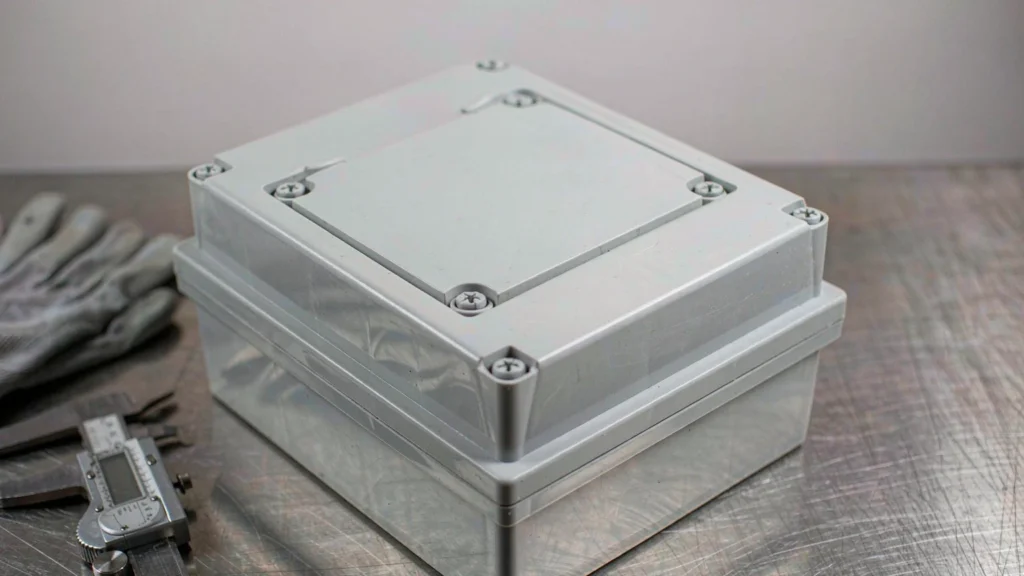
IEC 60670-22 governs the boxes that join cables. This guide reads the scope, the classification table, the marking rules and the 2024 changes, and lists the tests to request from a supplier.
Read More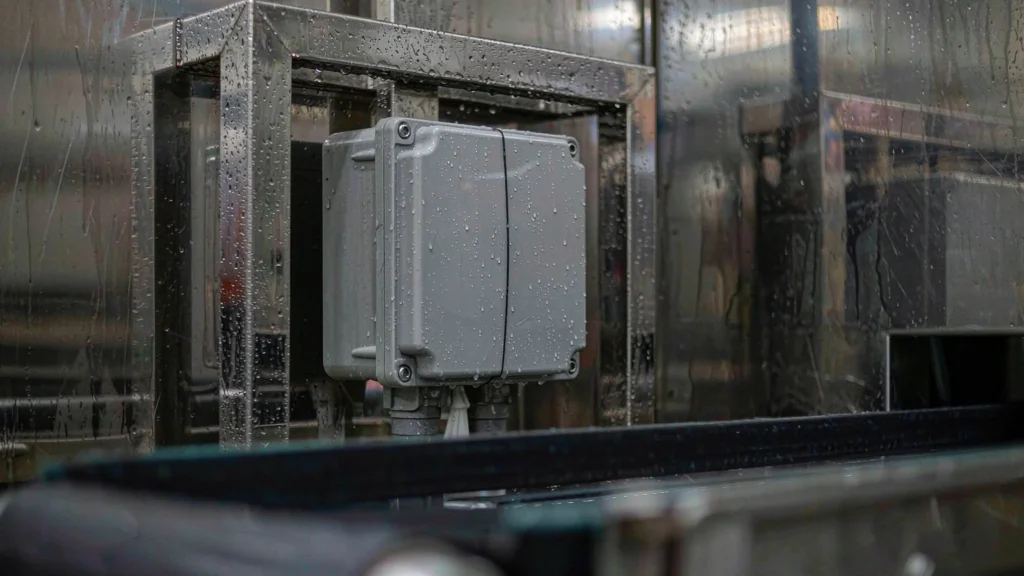
Washdown duty is a design question, not a label question: what IP69K really tests, why thermal cycling pulls water in, and how to specify a box that stays sealed.
Read More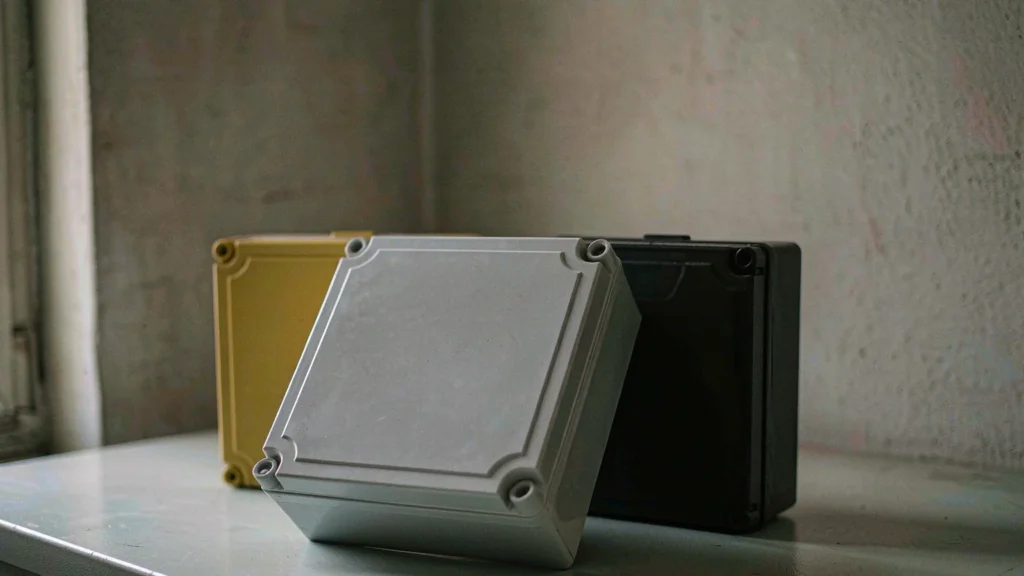
A CE RoHS junction box pack is not one certificate: what each document proves, who may issue it, where the substance risk hides, and four checks that expose a weak pack.
Read More