Blog
BW vs CW vs A2: Armored Cable Gland Types Explained
BW, CW and A2 are positions in the BS 6121 cable gland type code, not rival models. This guide decodes the letter system and shows how to specify the right armored gland type.
Read More
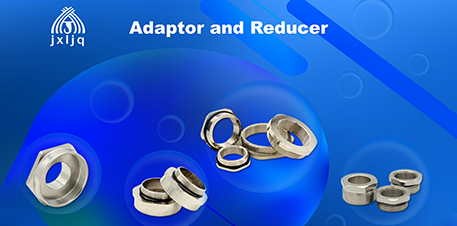
When a cable gland secures a cable to a piece of equipment, the connection only works if the gland thread matches the thread hole in the enclosure, junction box or machine. In practice this match is often missing: the hole is the wrong size, the thread type differs, or the equipment was built to a different regional standard. A cable gland adaptor or reducer is the simple screw-in component that bridges the gap, letting a gland of one thread size or type connect securely to an entry of another.
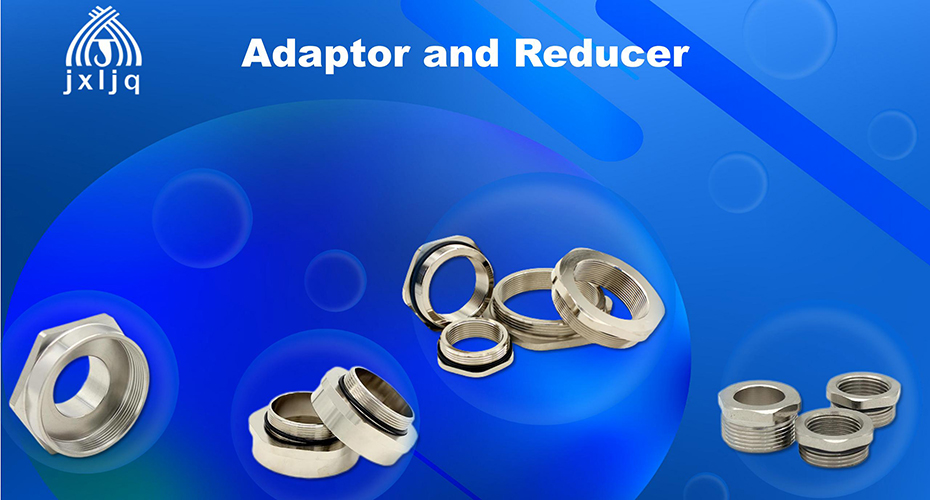
This guide explains when you need one, the difference between a reducer, an enlarger and an adaptor, the common thread combinations, and how to select and install them without losing the enclosure’s IP rating.
Compatibility problems appear in a handful of predictable situations:
These three terms describe two directions of size change plus one of type change, and getting them right is the first step in ordering the correct part.
| Component | What it does | Typical example |
|---|---|---|
| Reducer | Changes a larger thread to a smaller thread; the gland fits into a hole that is too large | M25 gland into a M32 hole |
| Enlarger | Changes a smaller thread to a larger thread; the gland fits into a hole that is too small | M20 gland into a M16 hole |
| Adaptor | Converts between thread types or standards without necessarily changing size | NPT gland into a metric hole |
A cable gland reducer steps a large thread down to a smaller one, so a gland with a small connection thread can be mounted in an equipment hole that was tapped larger. An cable gland enlarger does the reverse: it steps a small thread up to a larger one, so a gland with a large thread can be fitted into a smaller existing hole. Both are machined with an O-ring recess on the face, so the seal protects the thread interface against dripping water and high water pressure.
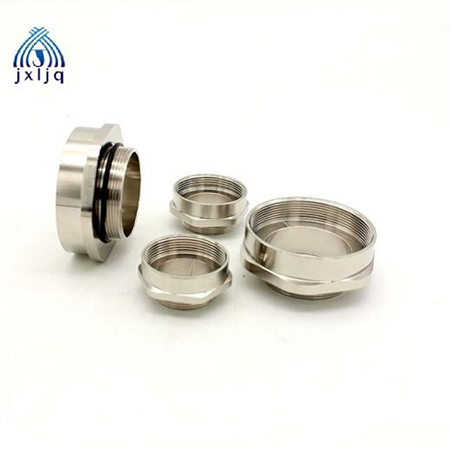
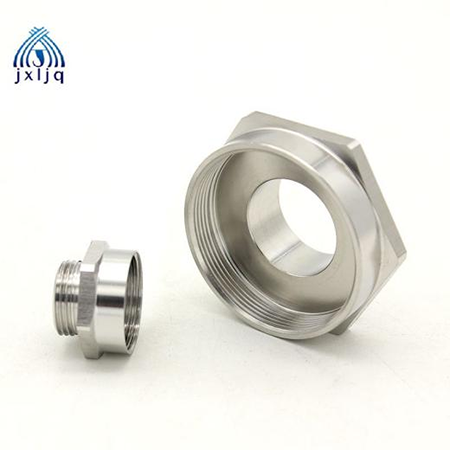
Adaptors and reducers are stocked across the thread standards used in electrical installation, and the most common combinations cover the standard entry sizes:
| Conversion | Common combinations |
|---|---|
| Metric to Metric (reducer) | M32×M25, M40×M32, M50×M40, M63×M50 |
| Metric to Metric (enlarger) | M16×M20, M20×M25, M25×M32, M32×M40 |
| NPT to Metric | 1/2″ NPT×M20, 3/4″ NPT×M25, 1″ NPT×M32 |
| Metric to NPT | M20×1/2″ NPT, M25×3/4″ NPT, M32×1″ NPT |
| PG combinations | PG13.5 to M20, PG16 to M20, PG21 to M25 |
| G (BSP) combinations | G1/2″ to M20, G3/4″ to M25, G1″ to M32 |
If the exact combination is not stocked, manufacturers produce custom thread combinations on request, so a non-standard interface does not force an enclosure rework.
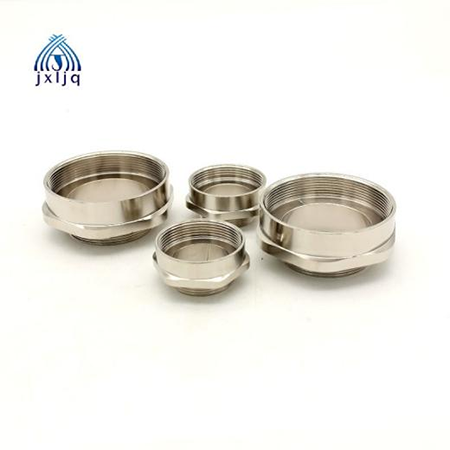
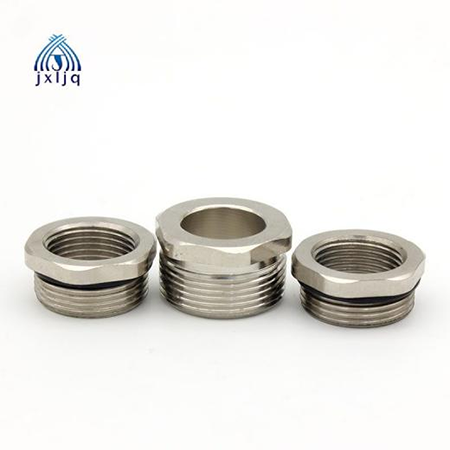
The practical argument for an adaptor or reducer is that it avoids costly and complicated conversions:
Where the environment demands it, adaptors in 304 or 316 stainless steel add corrosion resistance for marine, chemical and offshore duty, while nickel-plated brass covers general industrial use.
Order the correct part by confirming five points before you buy:
A few minutes of care during installation protects the seal for years:
An adaptor, reducer or enlarger turns a thread mismatch into a non-issue. Reducers step large threads down, enlargers step small threads up, and adaptors convert between thread standards, all without drilling, re-tapping or replacing enclosures. With the O-ring correctly fitted and the material matched to the environment, the assembly keeps its IP protection and provides a reliable, sealed connection between the cable gland and the equipment. The next time a gland and a hole do not agree, an adaptor or reducer is the fast, low-cost answer.
If you are unsure which reducer, enlarger or adaptor fits your gland and enclosure, contact us with both thread sizes and we will confirm the correct combination.
A reducer steps a larger thread down to a smaller one, used when the gland thread is smaller than the equipment hole. An enlarger steps a smaller thread up to a larger one, used when the gland thread is larger than the equipment hole.
Use an adaptor when the thread type differs, for example converting a metric hole to accept an NPT gland, or when the gland and the enclosure entry use different standards. It converts the interface without changing the cable size.
Yes, when fitted correctly with the supplied O-ring and sealing washer. The O-ring sits in a recess on the adaptor face, sealing the thread interface against dripping water and high water pressure.
Metric, PG, NPT and G (BSP) threads can be combined in most directions, including Metric to Metric size changes, NPT to Metric, Metric to NPT, PG and G conversions, subject to available stock or custom production.
High-specification adaptors and reducers can help prevent flammable gas ingress into equipment enclosures in hazardous areas. Confirm the component’s approval and sealing specification with the manufacturer for the specific zone.
Reducers, enlargers and adaptors are typically manufactured in nickel-plated brass, stainless steel 304 or 316L. Brass suits general industrial use; stainless steel adds corrosion resistance for marine, chemical and offshore environments.

BW, CW and A2 are positions in the BS 6121 cable gland type code, not rival models. This guide decodes the letter system and shows how to specify the right armored gland type.
Read More
A practical guide to cable gland sealing ranges: measure cable outer diameter correctly, match it to the right gland size, and avoid sealing failures in industrial installations.
Read More
Learn how the IP68 rating on cable glands works: what IEC 60529 actually tests, how the two-seal waterproofing mechanism blocks water, and why installation errors cause most leaks.
Read More