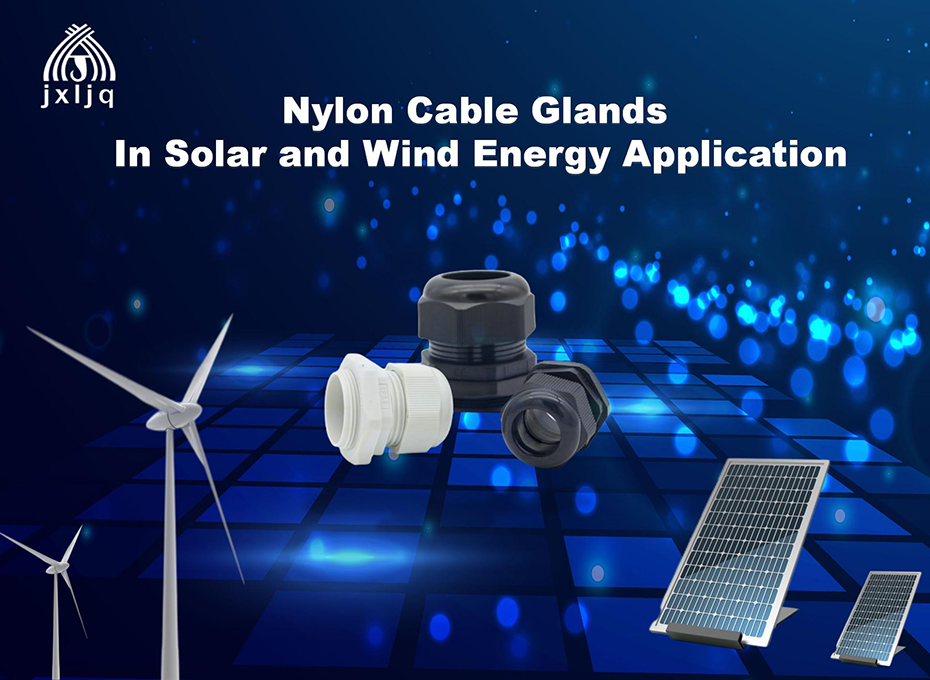
Solar arrays and wind turbines have one thing in common: they generate power outdoors, in the open, for decades at a time. Every cable that enters a junction box, combiner box, inverter, or turbine nacelle passes through a cable gland, and that small component decides whether water, dust, and UV damage stay outside or find their way into the system. Nylon cable glands have become the standard choice for renewable energy equipment because they combine IP68 sealing, corrosion resistance, and light weight at a cost that suits large-scale projects. This guide explains why nylon cable glands fit solar and wind applications, where they are used, and what to specify.
Why Nylon Cable Glands Suit Renewable Energy Equipment
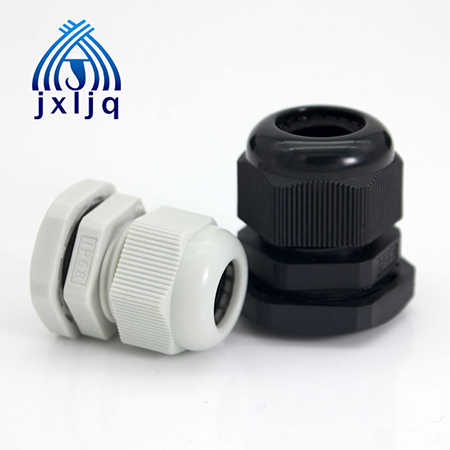
Renewable energy installations are outdoor systems by design, and they stay exposed to the elements for 20 to 30 years. Nylon, specifically engineering-grade polyamide PA66, meets that exposure profile better than most alternatives:
UV resistance. UV-stabilised nylon does not become brittle, crack, or discolour after years of direct sunlight, which is essential for rooftop arrays and open-field plants.
Corrosion-free. Nylon never rusts, so it survives coastal salt spray and acid rain without the maintenance that metal glands require.
Electrical insulation. The nylon body is non-conductive, eliminating any risk of current leakage through the gland and adding safety in low-voltage DC circuits.
Light weight. Nylon glands weigh a fraction of brass or steel equivalents, reducing load on rooftop structures, cable trays, and enclosures.
Wide temperature range. PA66 glands operate from roughly -40 °C to +100 °C, covering desert heat, mountain cold, and offshore conditions.
Cost effectiveness. For large projects that use hundreds or thousands of glands, nylon delivers IP68 protection at a significantly lower price than metal.
Solar Applications: Sealing Cable Entries in PV Systems
In a photovoltaic plant, cable glands seal the points where DC cables enter outdoor enclosures: combiner boxes, inverter cabinets, junction boxes, and panel junction housings. These entries are exposed to rain, snow, wind-blown dust, and extreme temperature swings between day and night.
An IP68 nylon gland creates a dust-tight, watertight seal around the PV cable and holds it mechanically so wind and thermal movement cannot pull the conductor out of the terminal. For rooftop installations, the light weight of nylon matters as well, because every kilogram adds to the structural load the roof must carry.
PV systems also place specific demands on gland sizing. Photovoltaic cable has thicker, UV-stabilised insulation than standard wiring, so the gland’s clamping range must match the actual outer diameter of the DC cable rather than the conductor size. In a utility-scale plant, a combiner box can carry a dozen or more DC entries in one enclosure, which is why installers value glands that seal consistently and stay reusable when strings are reconfigured. Because failures at these entries are a leading cause of water damage in solar plants, the seal quality of every single gland directly affects generation uptime and the 25-year return on the system investment.
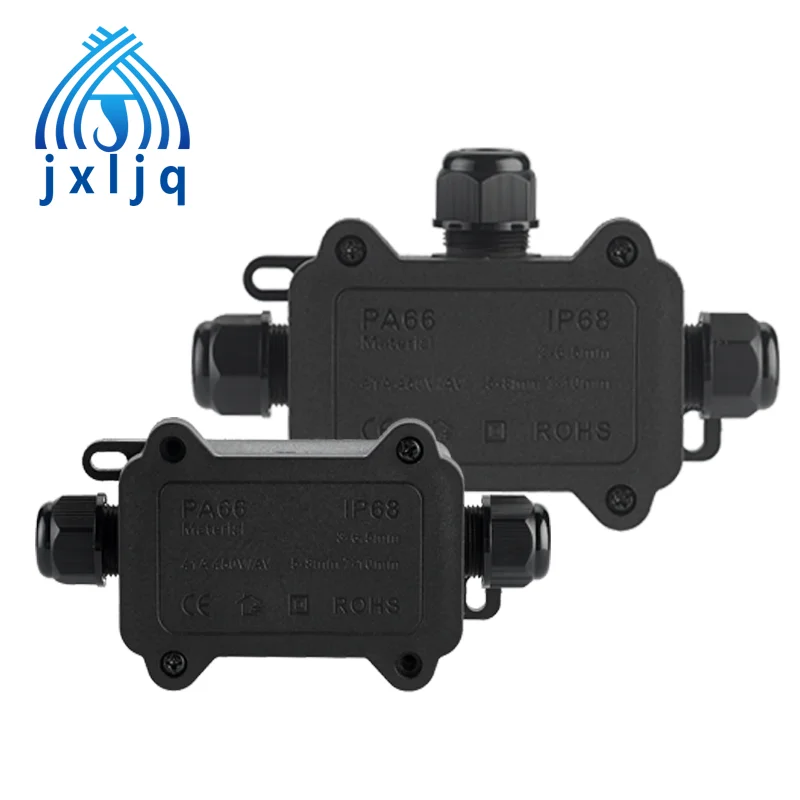
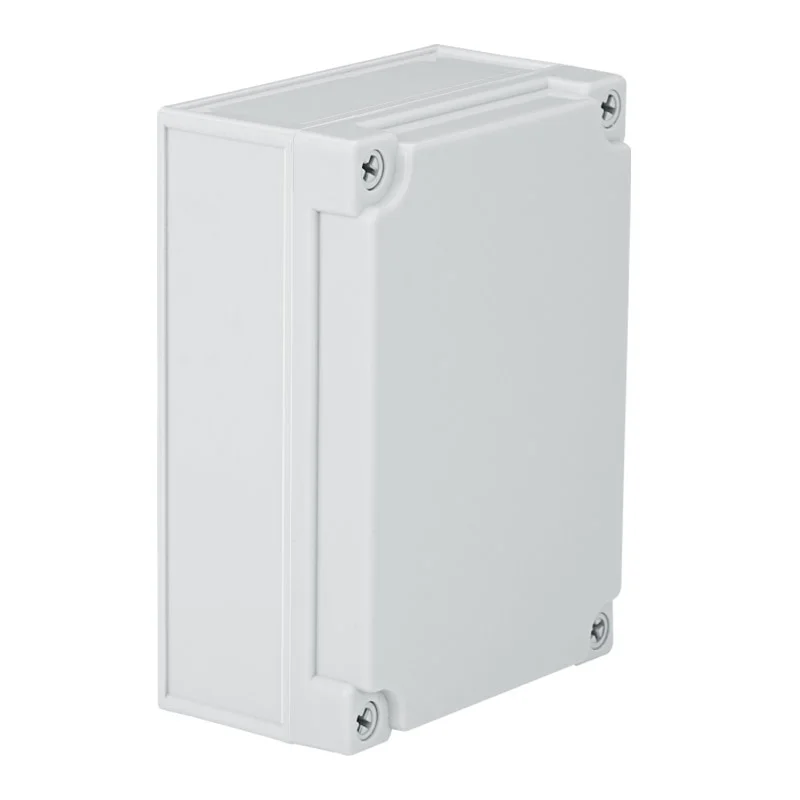
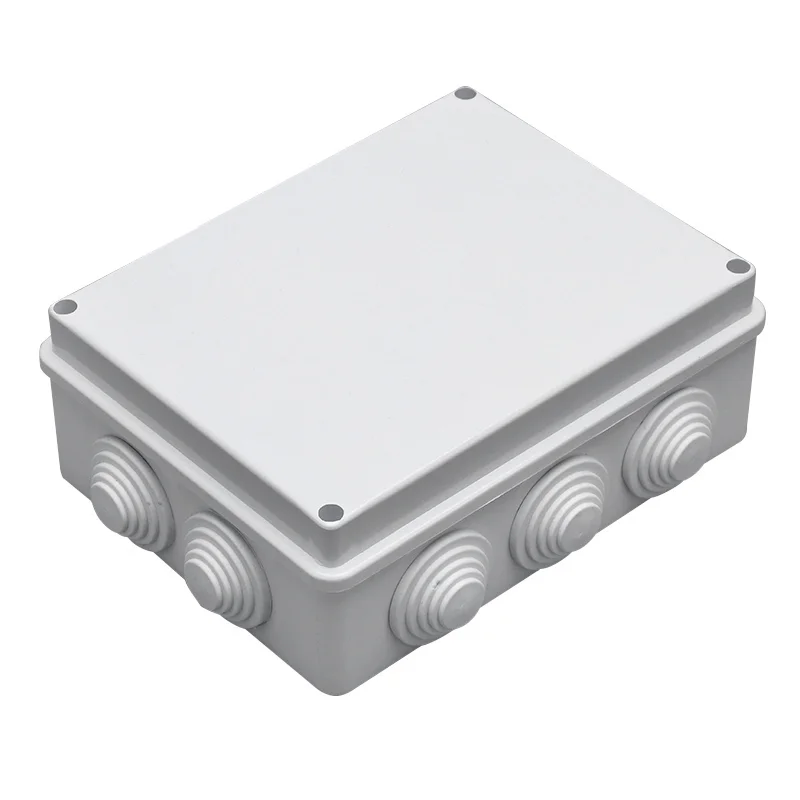
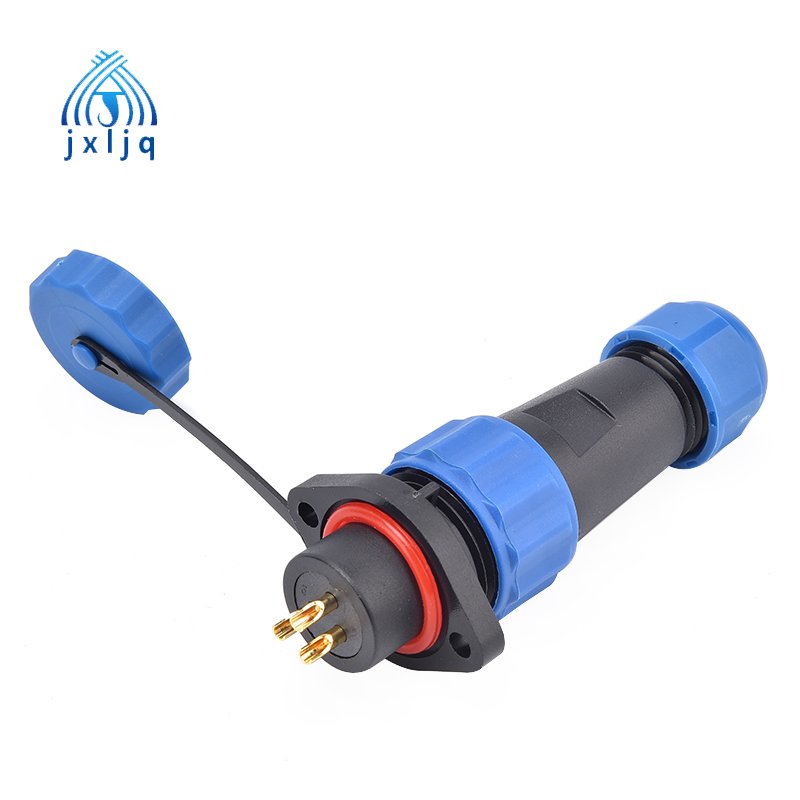
Modern PV systems also use dedicated plug-and-play components alongside cable glands. Our solar connector range provides IP68-rated, UV-resistant connections with low contact resistance for panels, inverters, and combiner boxes, while a mini junction box offers a compact sealed housing for outdoor DC wiring where space is limited.
Wind Applications: Built for Vibration, Salt, and Large Cables
Wind turbines present a different set of challenges. The nacelle vibrates continuously, the tower and offshore foundations sit in salt-laden air, and the power cables are large. Our IP68 nylon cable glands are specified for turbine control cabinets, converters, and tower cable entries because they handle all three conditions.
The sealing ring grips the cable jacket firmly, so continuous vibration and flexing do not loosen the connection. The corrosion-free nylon body shrugs off salt spray in coastal and offshore wind farms, which would attack unplated metal fittings. And because wind turbine cables are often large, Jixiang supplies nylon cable glands in big sizes to match heavy power conductors.
Low maintenance is another decisive factor. Turbines are serviced infrequently, often at height or offshore, so components must not need periodic re-tightening, painting, or corrosion treatment. A correctly installed IP68 nylon gland is effectively maintenance-free for the life of the turbine.
Offshore wind farms push these requirements further. Nacelle and tower cable entries sit in constant salt spray, and temperature swings between day and night can cause condensation inside sealed cabinets. Nylon’s corrosion-free body handles the salt exposure without plating failure, while the IP68 seal keeps moisture out of the converter and control enclosures. For the large power cables that run down the tower, oversized nylon glands with wide clamping ranges are available, and for enclosures that need pressure balance, a breathable vent can be added to prevent internal condensation.
What to Specify for Solar and Wind Cable Glands
When you select nylon cable glands for a renewable energy project, check these five points:
IP rating. Specify IP68 for outdoor, coastal, or wash-down exposure. IP68 means dust-tight and protected against continuous immersion, which covers heavy rain, flooding, and condensation.
UV stabilisation. Confirm the nylon is UV-stabilised for long-term sunlight exposure, otherwise the housing can become brittle and crack within a few years.
Temperature range. Match the gland to the site climate. PA66 with NBR seals typically covers -40 °C to +100 °C, which suits most solar and wind sites.
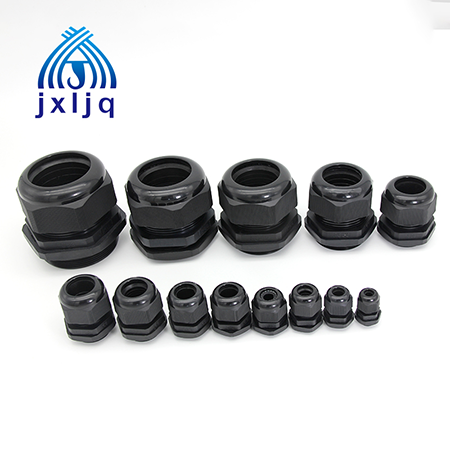
Cable range and thread. Check that the gland’s cable clamping range covers your PV or turbine cable diameter, and that the thread matches the enclosure entry (Metric or PG).
Flame retardance. For fire safety in enclosed spaces, choose a flame-retardant nylon grade that meets UL94 V-0.
Certification and quality evidence matter as much as the specification on paper. Ask the supplier for IP68 test documentation, RoHS and CE compliance, and a clear statement of the material grade used. For OEM and project buyers, the ability to customise thread, cable range, and packaging, and to receive free samples for fit testing, shortens the qualification cycle and reduces procurement risk on large renewable projects.
Completing the System: Connectors and Accessories
A renewable energy installation uses more than cable glands. The DC string connections between panels rely on solar connectors, and sealed enclosures benefit from pressure equalisation. For reliable, low-maintenance performance across the whole system, consider the full product family:
Solar connectors for IP68, UV-resistant panel-to-inverter connections with low contact resistance.
A breathable vent plug that balances pressure inside sealed enclosures, preventing condensation that can form when a solar or wind cabinet heats up in the sun and cools at night.
Nickel-plated brass or stainless steel cable glands where higher mechanical strength or bonding continuity is required; our comparison of 304 versus 316 stainless steel helps with material selection for offshore wind.
Nylon Cable Glands in Solar and Wind Energy: FAQ
Why are nylon cable glands used in solar installations?
Nylon cable glands are used because they provide IP68 sealing against rain, dust, and moisture while resisting UV degradation and corrosion. They are also lightweight, non-conductive, and cost-effective, which suits the large numbers of cable entries in PV systems.
What IP rating is needed for solar and wind equipment?
IP68 is the recommended rating for outdoor renewable energy equipment. It is dust-tight and protects against continuous immersion, covering heavy rain, condensation, coastal salt spray, and wash-down conditions.
Can nylon cable glands withstand UV exposure?
Yes, when the nylon is UV-stabilised. Engineering-grade PA66 with UV stabilisers does not become brittle or crack under years of direct sunlight, which is why it is specified for rooftop and open-field solar arrays.
Are nylon cable glands suitable for wind turbines?
Yes. Nylon glands handle the vibration, salt exposure, and large cable sizes found in wind turbines. Their corrosion-free bodies and firm cable grip make them a low-maintenance choice for turbine control cabinets and tower entries.
Do nylon cable glands work with solar connectors?
Yes, they complement each other. Cable glands seal the cable entry into an enclosure, while solar connectors join the DC cables between panels, inverters, and combiner boxes. Both are typically rated IP68 for outdoor use.
How do I choose the right size nylon cable gland?
Measure the outer diameter of the cable and select a gland whose clamping range covers it, then confirm the thread size of the enclosure entry. For PV systems, check both the DC cable diameter and the thread standard of the junction or combiner box.
Conclusion
Nylon cable glands are a small but essential part of every solar and wind installation. They seal cable entries against water, dust, and UV damage, hold conductors firmly under vibration, and keep working for decades without maintenance — all at a cost that makes sense for large renewable projects. Combined with solar connectors and pressure-equalising accessories, they form the reliable cable protection system that outdoor energy equipment depends on.
If you are specifying cable glands for a solar or wind project, contact our team with your cable sizes and enclosure threads. We supply nylon, brass, and stainless steel cable glands with OEM/ODM support, and we provide free samples so you can verify the fit before you commit.
Introduction Outdoor electrical enclosures are constantly exposed to rain, dust, temperature changes, and UV radiation. Choosing the right cable entry solution is essential.The IP68 nylon cable gland is one of the most reliable options for outdoor enclosures. Why IP68 Matters for Outdoor Use Outdoor environments require long-term sealing performance. IP68-rated nylon cable glands provide: Common […]
What brass conduit fittings are, why nickel-plated brass is used, the types, key specifications, applications, installation steps and how to choose the right fitting.
We use cookies to enhance your browsing experience, serve personalised ads or content, and analyse our traffic. By clicking "Accept All", you consent to our use of cookies.