Blog
Application of Strain Relief Cable Glands in Robotic Industry
Why robot cables fail at entry points, how strain relief cable glands protect them, where they matter in a robotic cell, and how to choose and install them.
Read More
Your blog category

Why robot cables fail at entry points, how strain relief cable glands protect them, where they matter in a robotic cell, and how to choose and install them.
Read More
Compare 304 vs 316 stainless steel cable glands by chemistry, corrosion resistance and cost, and learn when to specify each grade for marine or industrial duty.
Read More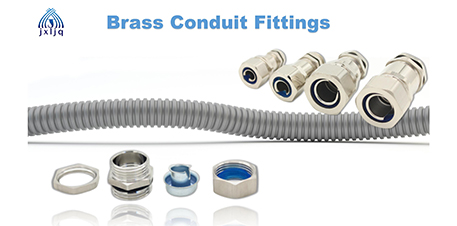
What brass conduit fittings are, why nickel-plated brass is used, the types, key specifications, applications, installation steps and how to choose the right fitting.
Read More
How cable glands protect CCTV cameras, junction boxes and NVR cabinets: IP68 sealing, nylon vs brass, multi-hole entries, and hazardous area options.
Read More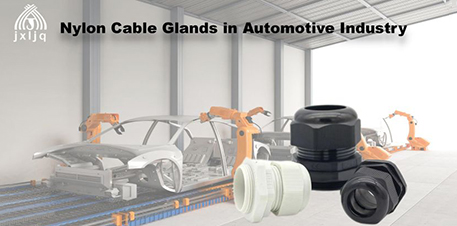
How nylon cable glands are used across automotive wiring, engine compartment routing and EV charging infrastructure, with specifications and selection guidance.
Read More
Learn what an EMC cable gland is and how it keeps a shielded cable’s braid grounded to the enclosure to block electromagnetic interference in automation, telecom, and signal systems.
Read More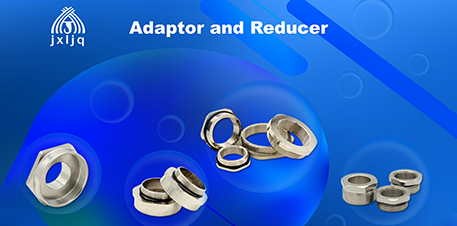
When to use a cable gland adaptor, reducer or enlarger: the difference between them, common thread combinations, and how to keep the IP rating when threads do not match.
Read More
Why nylon cable glands are used in solar and wind systems: IP68 sealing, UV and corrosion resistance, and how to specify the right gland.
Read More