CCTV systems are a part of everyday life. They watch over homes, streets, highways, railway stations, shopping centres, hospitals, and countless other public spaces, and they are expected to keep recording day and night for years at a time. Yet the cabling on a CCTV system is often its weakest link: camera tail cables, PoE network cables, and power lines run outdoors and are exposed to rain, snow, dust, UV radiation, and temperature swings that no indoor electronics ever face. Cable glands are the components that seal every cable entry into a camera, junction box, or NVR enclosure, and choosing the right ones keeps a system running continuously while cutting maintenance cost and downtime.
Where Cable Glands Are Used in a CCTV System
A typical IP camera installation uses glands at several distinct points:
Camera tail cable entries. The cable that exits a bullet or dome camera passes through a gland into the mounting junction box, where the connection to the network or power cable is made.
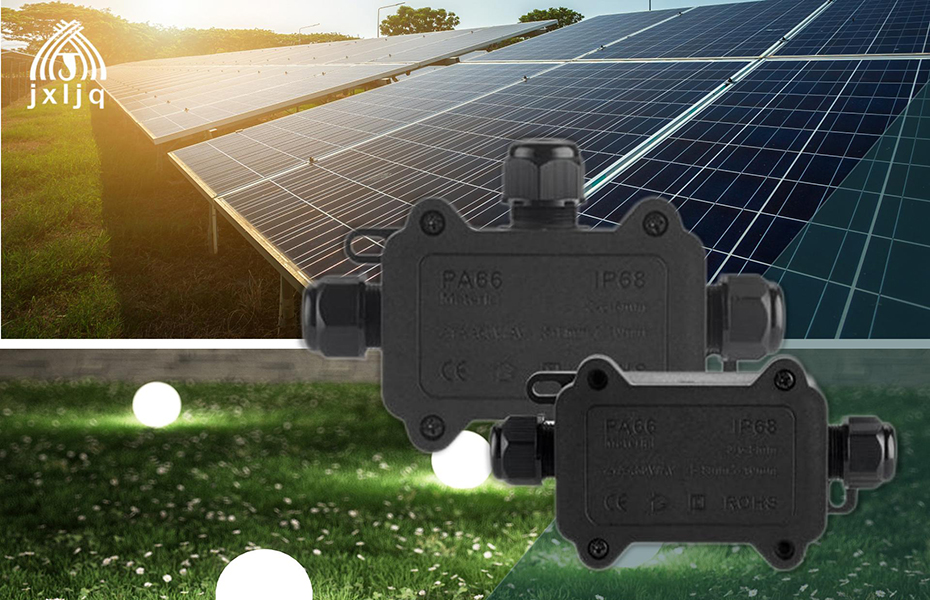
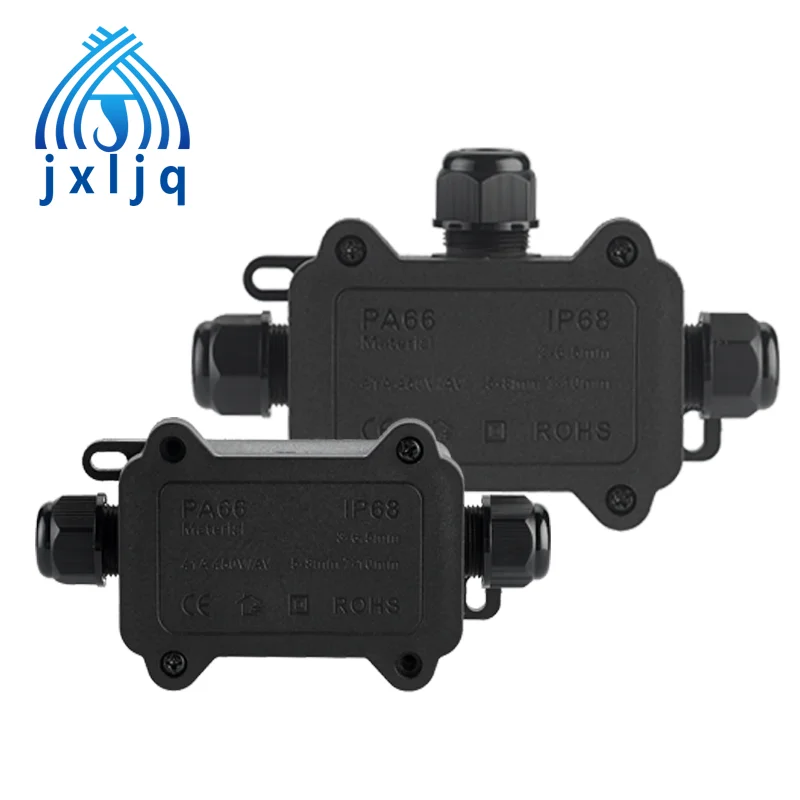
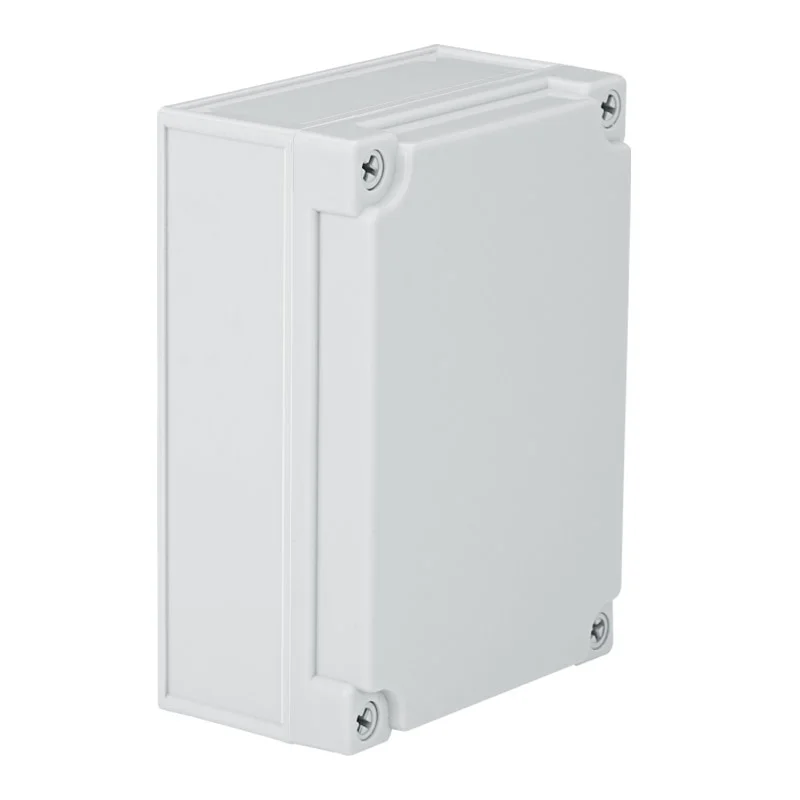
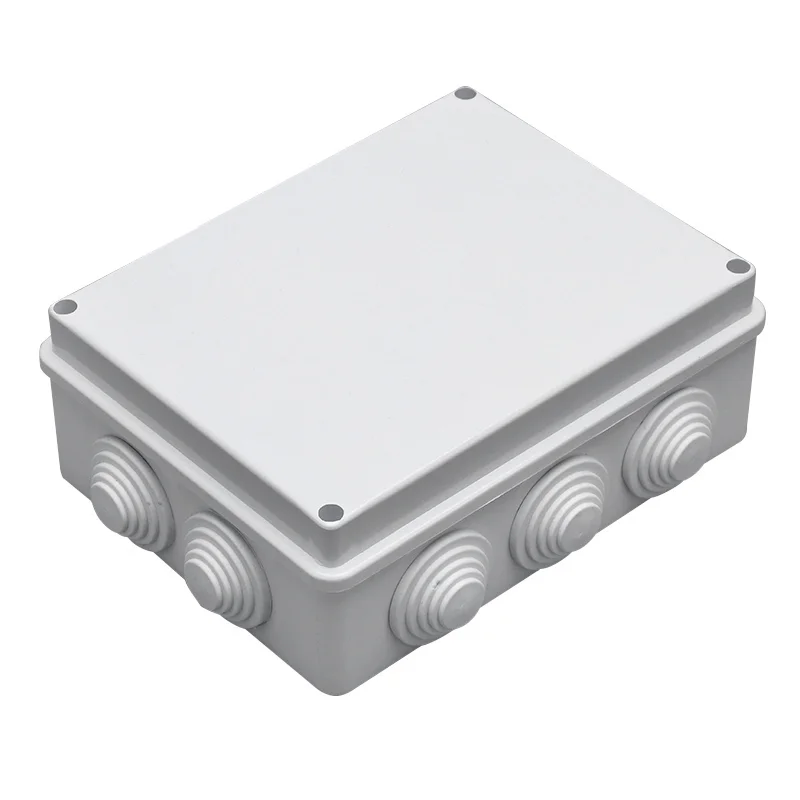
Outdoor junction boxes. The box behind the camera holds the tail cable connection, a PoE injector or converter, and spare cable slack. Every cable entering and leaving the box needs a sealed gland.
NVR and recorder cabinets. The network, power, and display cables entering the recorder enclosure or wall cabinet must be sealed to protect the electronics inside.
Street and pole installations. Cameras mounted on light poles or masts run their cables down the pole, and each entry point into the pole box needs protection against rain and condensation.
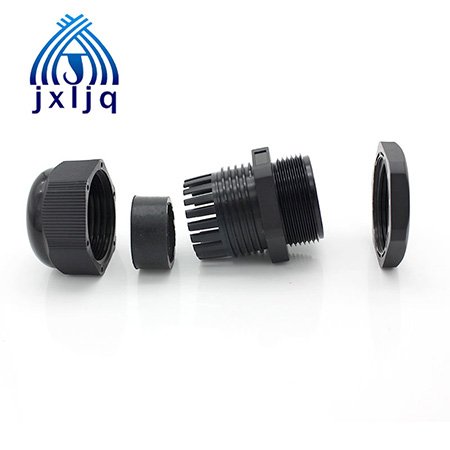
At each of these points, the gland does two jobs: it seals the opening so water and dust cannot reach the connections, and it holds the cable firmly so wind, maintenance, and cable weight cannot pull the wire out of its terminal.
What Outdoor CCTV Installations Demand from Cable Glands
An outdoor security camera installation is one of the most demanding cable-entry environments you will work with. The gland must survive:
Rain, snow, and condensation. Entries need IP65, IP66, or IP68 sealing depending on exposure. For fully exposed cameras and flood-prone areas, IP66 to IP68 is the practical range.
UV radiation. Components sit in direct sunlight for years. Nylon glands for CCTV must be UV-stabilised so the body does not become brittle and crack.
Temperature swings. Camera housings heat up in the sun and cool at night; the gland seal must stay flexible across the full operating range, typically -40 °C to +100 °C.
Coastal salt and pollution. Street and coastal installations face salt spray and airborne pollutants, which rules out materials that corrode.
Pull and strain. Camera cables are tugged during installation and maintenance; the gland must provide strain relief so force does not reach internal terminals.
Tampering. Security installations benefit from components that are hard to remove quickly, so a correctly tightened gland also deters casual interference.
Nylon or Metal Glands for CCTV?
Both nylon and metal glands are used on CCTV systems, and the choice depends on the location and the cable type.
Factor
Nylon (PA66) Gland
Brass Gland
Corrosion resistance
Never rusts
Good with nickel plating
Electrical insulation
Non-conductive
Conductive, can support bonding
Weight
Light
Heavier
Mechanical strength
Good for camera boxes
Higher, resists impact
Typical use on CCTV
Junction boxes, PoE entries, NVR cabinets
Vandal-resistant and industrial sites
Cost
Lower
Higher
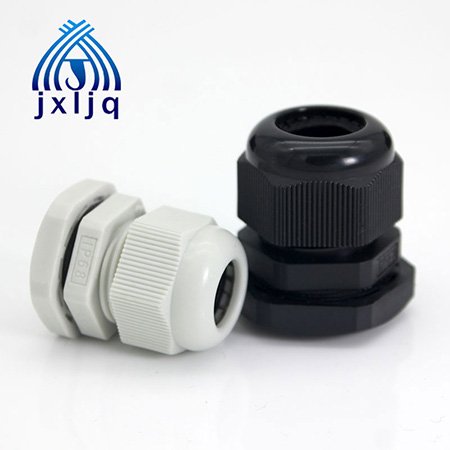
For the majority of outdoor camera installations, a standard nylon cable gland rated IP68 is the right choice: it is corrosion-free, insulating, lightweight, and inexpensive enough to use in quantity across a large site. Where cameras must resist vandalism or where the system is installed in an industrial environment, a brass standard cable gland adds mechanical strength and a more tamper-resistant feel.
Sealing Multiple Cables Through One Opening
Outdoor camera boxes often carry several cables into a single enclosure: one PoE network cable, a power line, and sometimes a spare pull cable. Drilling one hole per cable is slow and weakens the box. A multi-hole gland insert lets several cables pass through one opening while maintaining the IP rating, which is exactly how many commercial camera junction boxes are wired. Our guide to multi-hole cable glands explains how to match the insert to the cable diameters and keep the seal intact.
Where space behind the camera is tight and the cable approaches at an angle, a 90 degree elbow nylon cable gland redirects the cable at the entry point, avoiding the sharp bend that strains the jacket and eventually opens the seal.
Hazardous Area CCTV: Explosion-Proof Glands
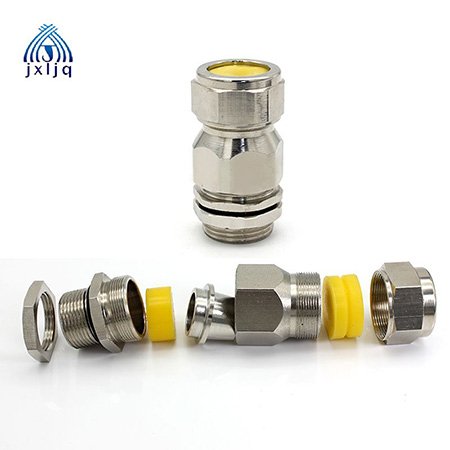
Security cameras are increasingly used for surveillance and monitoring in hazardous industrial environments, including onshore and offshore platforms, refineries, chemical plants, tankers, and marine facilities. In these areas, standard glands are not permitted: every cable entry into an Ex-rated camera housing must use an explosion-proof gland that maintains the Ex d protection level and prevents the ignition of flammable gas. Our guide to ATEX explosion-proof cable glands covers the certified options available for CCTV and other instrumentation in hazardous areas.
Adaptors and Reducers for Thread Compatibility
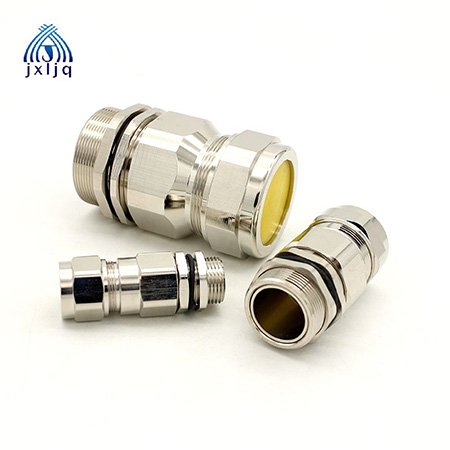
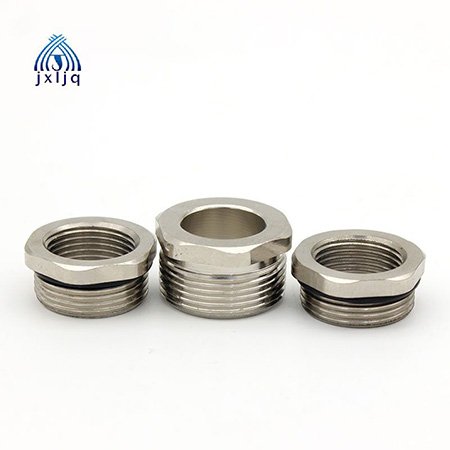
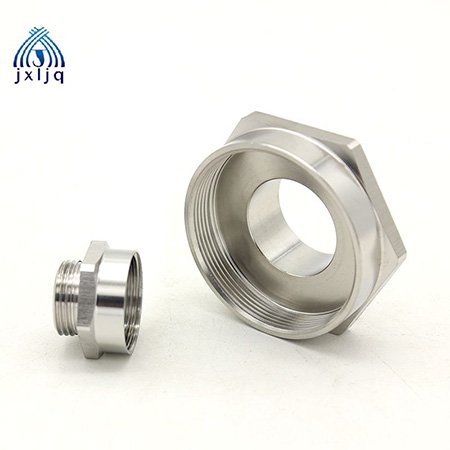
Compatibility problems are common when connecting glands to cameras and junction boxes from different manufacturers. Camera housings and enclosures use metric, PG, NPT, or G threads, and the gland thread does not always match the hole. An adaptor is used when the gland thread is larger than the enclosure entry; a reducer is used when the gland thread is smaller. Using adaptors and reducers avoids costly drilling and retrofitting, and keeps the connection sealed. They are available in nickel-plated brass and stainless steel, with an O-ring on the male thread to protect the seal during installation.
Modern IP cameras are powered and connected over a single PoE network cable, which simplifies the wiring but concentrates the risk at the entry point. If that one cable loses its seal, water can reach the RJ45 connection and take the camera offline, often without any visible warning until moisture has already corroded the pins. Sealing PoE entries with a correctly sized IP68 gland — one that grips the Cat5e or Cat6 jacket without crushing it — is the cheapest insurance an installer can buy. For the same reason, leaving spare cable slack inside the junction box means a failed connector can be re-terminated without re-running the cable.
Installation Best Practices for CCTV Cable Glands
Match the gland to the cable. Measure the camera tail cable and the PoE cable outer diameters and select a gland whose clamping range covers each, leaving a small margin.
Match the thread to the box. Confirm whether the camera or junction box entry is metric, PG, or NPT, and use an adaptor or reducer only when the thread truly does not match.
Tighten to the correct torque. Over-tightening a nylon gland can crack the body or crush a thin PoE cable; tighten until the seal grips firmly.
Leave slack inside the box. Coil spare cable inside the junction box so the gland does not carry the cable weight and maintenance can re-terminate without strain.
Seal unused openings. Every knockout not used must be closed with a rated plug so the box keeps its IP rating.
Use UV-stabilised materials outdoors. Check that the nylon grade is UV-stabilised for years of direct sunlight.
Cable Glands for CCTV Systems: FAQ
What IP rating do CCTV cable glands need?
For fully exposed outdoor cameras, IP66 to IP68 is recommended. IP66 resists powerful water jets, IP67 covers temporary immersion, and IP68 covers continuous immersion for flood-prone sites. Sheltered locations can use IP65.
Can nylon cable glands be used on outdoor CCTV cameras?
Yes. UV-stabilised PA66 nylon glands are the most common choice for camera junction boxes and NVR cabinets. They are corrosion-free, insulating, lightweight, and rated IP68, which suits outdoor camera installations.
How do I seal multiple cables entering a camera box?
Use a multi-hole gland insert sized to each cable, which lets several cables pass through one opening while keeping the IP rating. Alternatively, use one gland per cable with matching clamping ranges.
Do CCTV cameras in hazardous areas need special glands?
Yes. In explosive atmospheres, every cable entry must use an ATEX-approved explosion-proof gland that maintains the Ex d protection level of the camera housing.
What if the gland thread does not match the camera thread?
Use a cable gland adaptor when the gland is larger than the enclosure entry, or a reducer when it is smaller. Both convert between thread sizes and types without drilling or retrofitting.
Why do camera cables fail at the gland?
The most common causes are undersized glands that cannot seal the cable, oversized glands that leave the seal uncompressed, over-tightening that crushes the jacket, and UV-degraded nylon. Selecting the correct clamping range and UV-stabilised material prevents these failures.
Conclusion
Cable glands are a small part of a CCTV system, but they decide whether an outdoor installation keeps working through years of rain, snow, UV exposure, and temperature swings. Sealing the camera tail cable, the junction box entries, and the NVR cabinet with correctly sized IP68 glands — nylon for most sites, brass where strength and tamper resistance matter, and explosion-proof types in hazardous areas — protects the connections, prevents downtime, and cuts maintenance cost across the whole system.
If you are planning a CCTV installation and need help selecting the right glands for your cameras, junction boxes, and enclosures, contact our team with your cable sizes and thread types. We supply nylon, brass, and explosion-proof cable glands with OEM/ODM support, and we provide free samples so you can verify the fit before you commit.
Introduction Choosing between an IP68 nylon cable gland and a brass cable gland is one of the most common decisions in industrial and outdoor electrical installations.Both options provide waterproof protection, but they differ in strength, cost, and application suitability. This guide compares the two to help engineers and purchasing managers make the right choice. Material […]
Why robot cables fail at entry points, how strain relief cable glands protect them, where they matter in a robotic cell, and how to choose and install them.
What small waterproof junction boxes are used for: outdoor lighting, buried fixtures, security, solar and pump wiring, with features, selection and DIY installation.
We use cookies to enhance your browsing experience, serve personalised ads or content, and analyse our traffic. By clicking "Accept All", you consent to our use of cookies.