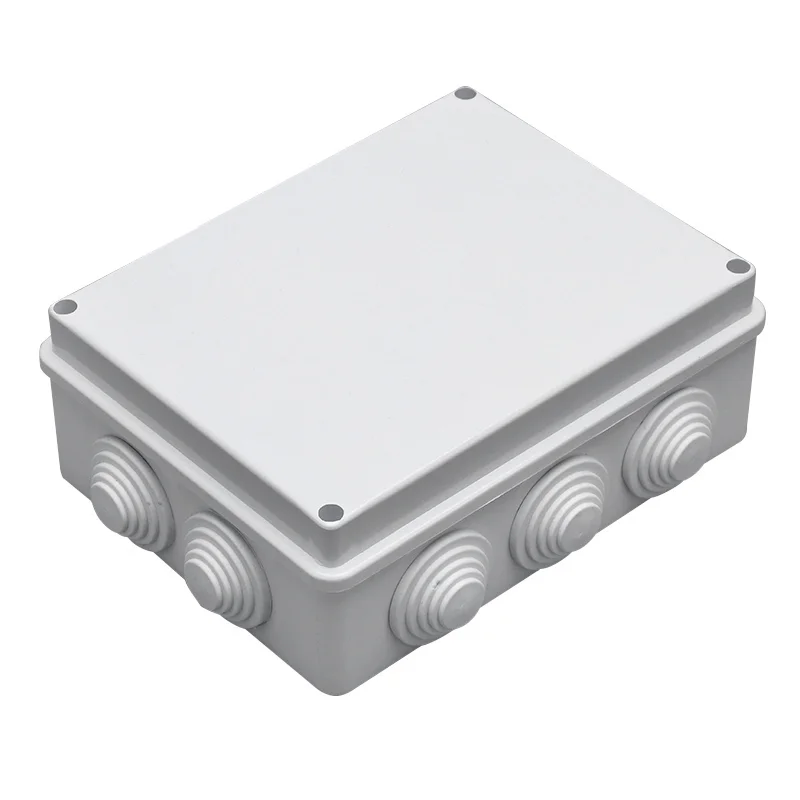
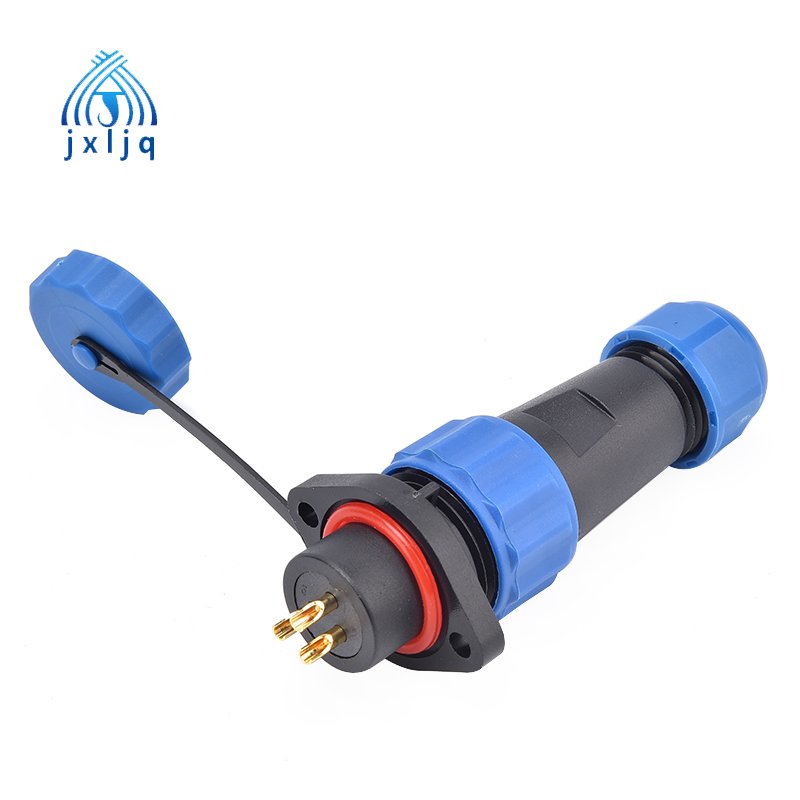
In many industrial, when you try to inserted several cables through one enclosure,
but there have no enough space for it – by nature, each cables would need a cable gland.
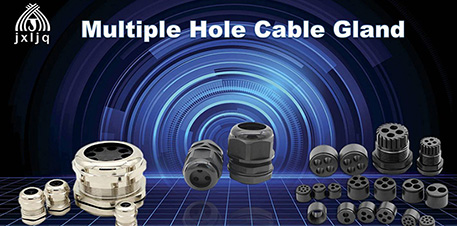
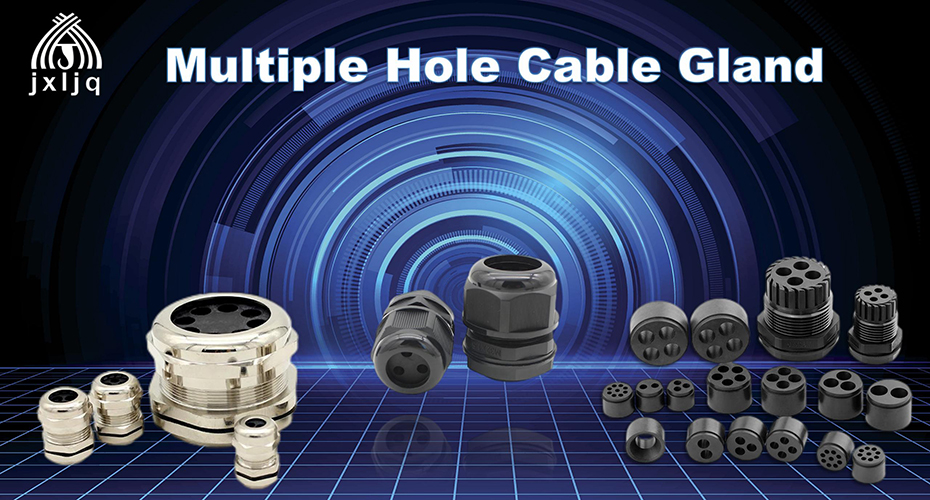
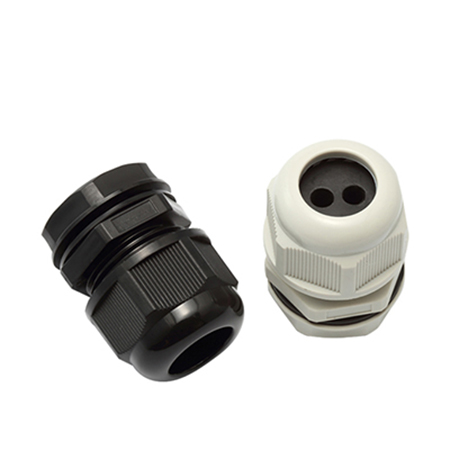
In fact, there is a smarter way of sealing Multipleple cables than using a cable gland for each and every cable, you can use Multiple Hole Cable Gland to provide Multipleple entry solution.
The advantage of Multiple Hole Cable Gland
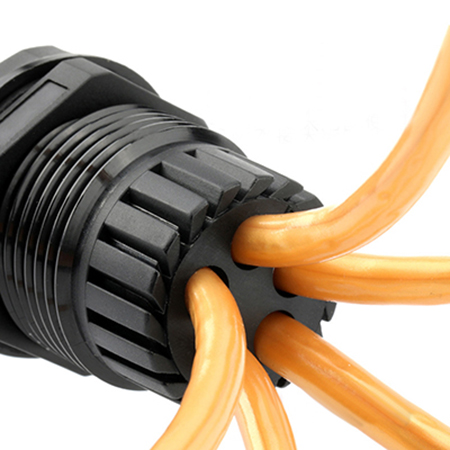
Multiple Hole Cable Gland allow several cables to be fed through one hole into a housing, not only can significantly reduce construction time and reduce costs, but also reduce the space occupied by the outlet hole.
Multiple Hole Cable Gland is use for 2-8 core cables, to make sure each wire to get the best waterproof insulation, and not intertwined. Holes not needed can be closed with blind plugs in red colour making them easily identifiable
Choosing the suitable Multiple Hole Cable Gland, roate the part tightly and use the O-ring can reach IP68.
Installation Guide of Multiple Hole Cable Gland
Before installing the Multiple Hole Cable Gland:
1.Turn off all electrical equipment and disconnect any live wires
2.Be careful not to damage the wires during installation
3.Ensure the Multiple Hole Cable Gland is compatible with the cables
Installation:
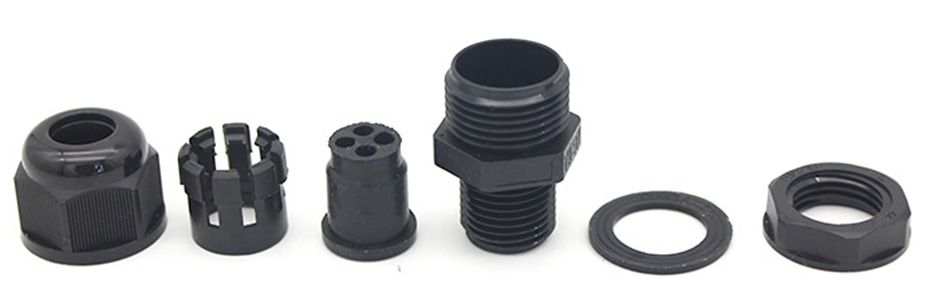
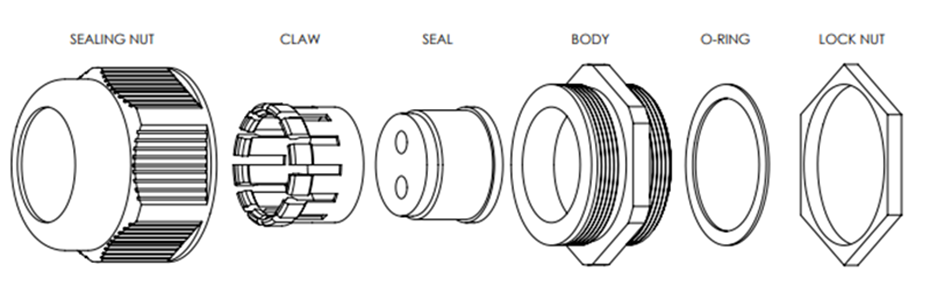
1.Begin by opening the Multiple Hole Cable Gland and detaching the nut
2.Screw the gland body with O-ring into the corresponding thread hole on gland plate.
3.Insert cable to gland body. Adjust sealing nut, claw and seal to correct position.
4.Adjust the cable to make sure the each cable passed the holes in the seal. Manually tighten the sealing nut for temporary fixing.
5.Use a spanner to tighten each gland part until the cable is securely fastened. Double check the cable connection and the position if necessary.
Will you consider using the Multiple Hole Cable Gland in the future?
Any questions or inquire, please feel free to contact Jixiang Connector.
If you found this article helpful or interesting, please share it!
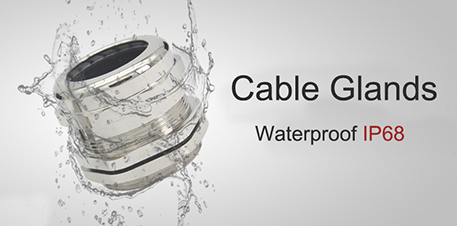
[vc_row][vc_column][vc_column_text]The application of outdoor lighting can be seen everywhere in our life nowadays. The old-fashioned way to connector wire such as wrap a few layers of insulating glue unable to meet the requirements of outdoor lamps. You will know how importance of cable glands for outdoor lamps in the article. Why need the cable glands for […]
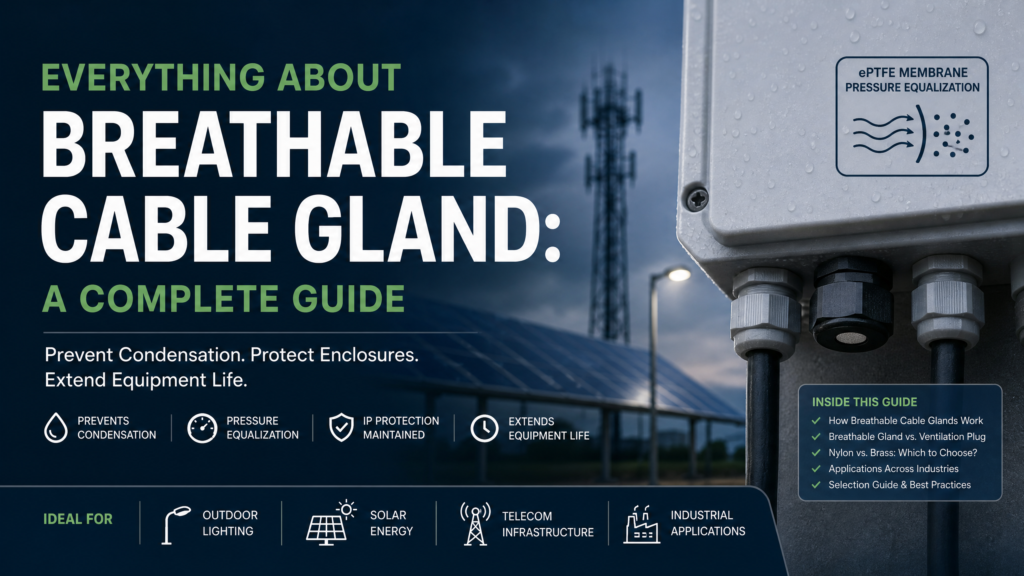
Learn how breathable cable glands use ePTFE membranes to equalize pressure, prevent condensation in sealed enclosures, and how they compare with ventilation plugs.
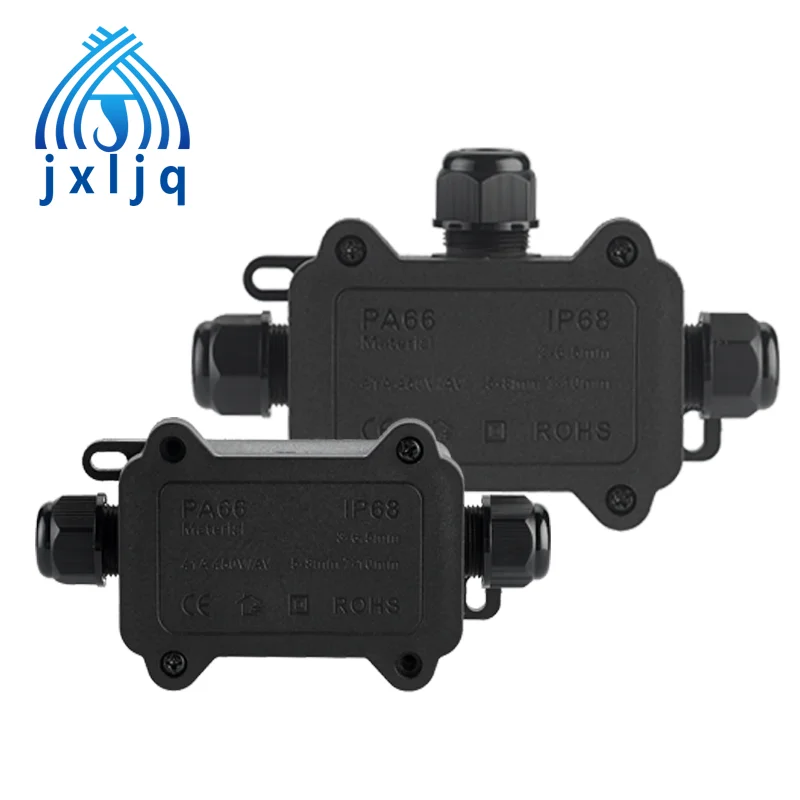
Compared with indoor dry environment, making waterproof electrical connections in a wet environment is a lot harder (and more expensive) than it looks. IP68 warterproof connectors also known as IP68 waterproof junction box, could be the perfect soulution. IP68 warterproof connectors good for low voltage, are use in the associated cabling for domestic and commercial […]
We use cookies to enhance your browsing experience, serve personalised ads or content, and analyse our traffic. By clicking "Accept All", you consent to our use of cookies.

 Installation Guide of Multiple Hole Cable Gland