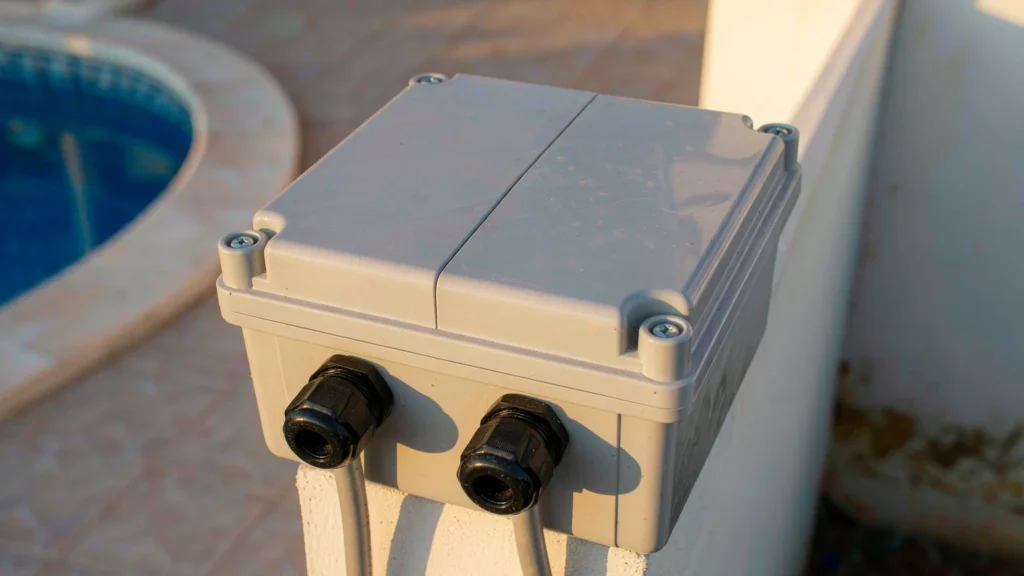
A pool junction box sits in the worst position on any site: a metre or two from open water, permanently inside chlorine vapour, and close to 230 V equipment that must never see moisture. Yet most failed boxes we are shown did not fail as housings. They failed because a bonding conductor was forced into a terminal that could not clamp it, or because the deck box sat one course of bricks too low. This guide covers the two boxes a pool or fountain project needs, what fits inside each, and the placement arithmetic that decides whether the lid stays dry for ten years or ten months.
Two Boxes, Not One
A pool installs at least two entirely different enclosures, and specifying both as “a waterproof box” is where projects go wrong.
The luminaire deck box. The splice between the underwater fixture cable and the branch circuit. It sits above the water line, opens rarely, and must stay dry through splashing, rain and condensation rising out of the conduit.
The equipment-pad box. Pump, heater, salt cell and controller land here. Outdoors, not immersed; it faces sun, splash and dosing vapour.
A fountain adds a third case: a pump vault that may be genuinely wet, or a low-voltage box that is merely damp.
Why One IP68 Covers Two Different Duties
On a pool, “IP68” gets used for two incompatible jobs. The luminaire connector must survive continuous immersion; the deck box must survive splash plus internal condensation, and needs a way to breathe rather than a higher number. Reading a data sheet as though one rating answered both is the most common specification error we see.
IP68 is also not a score. Depth and duration are agreed between buyer and maker, so two boxes both sold as IP68 can be tested to entirely different conditions. We set out that arithmetic in IP68 depth rating and duration; read it before accepting a rating on a pool drawing.
What Fits Inside a Mini Box, and What Never Will
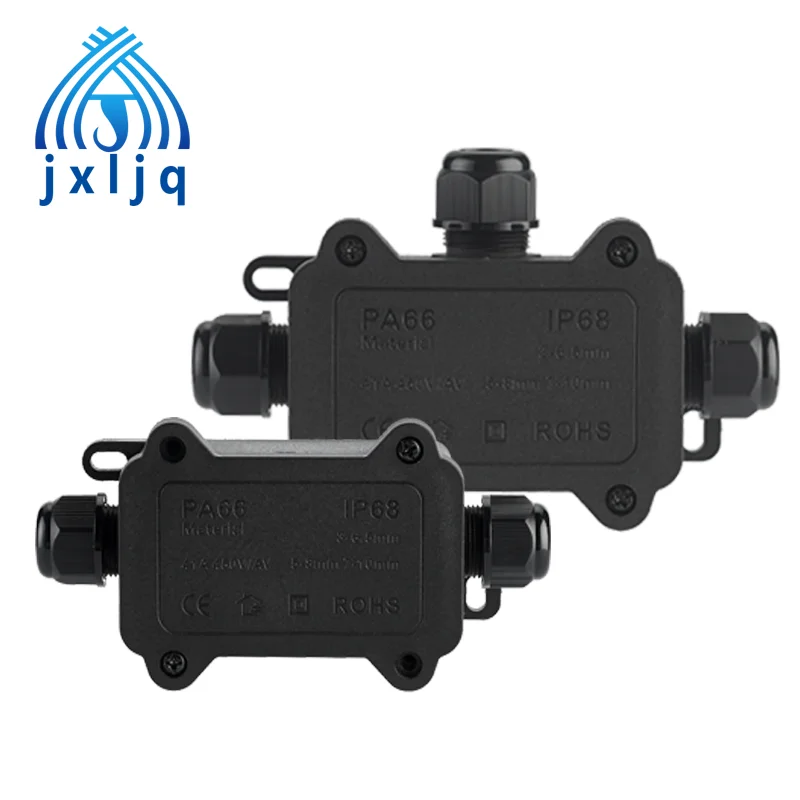
Compact enclosures are small on purpose. The F1 series accepts 0.5–4 mm² on its two-way versions and 0.5–2.5 mm² on three- and four-way versions, at 450 V and either 16 A or 24 A, with entries for 3–6.5 mm, 5–8 mm and 7–10 mm cable. Generous for a luminaire tail. Not generous for a bonding conductor.
Conductor
Typical size
Fits an F1 terminal?
Luminaire tail, 12 V or 230 V
1.5–2.5 mm²
Yes, all versions
Pump branch circuit, 230 V single phase
1.5–2.5 mm²
Yes, two-way only
Equipotential bonding conductor
6–8 mm², often solid
No
The bonding row causes the argument on site. A bonding conductor is stiff, often solid, and larger than any terminal in a mini box. It belongs on a dedicated brass lug with its own fixing, not folded into a terminal block built for flexible panel wire.
Bonding Is Not Earthing
Equipotential bonding ties every touchable metal part around the water — ladder, handrail, niche, pump casing, heater body — to one common conductor, so no two of them can sit at different potentials. It is separate from the circuit protective conductor, and it is not optional because the box happens to be plastic.
A plastic enclosure neither helps nor harms the grid, but routing bonding conductors through it does harm the connection: undersized clamping, no torque control, and a joint nobody inspects. Bring the conductor to a lug on a metal plate, keep it out of the terminal block, and label it. Grid extent and sizing are set by local pool wiring rules; confirm the clause in the edition you are inspected against.
Heat and Pressure Above a Wet-Niche Fixture
A wet-niche fixture runs submerged, so the water around it is the heat sink. When the lamp is on that water warms, vapour travels up the conduit into the deck box, meets a cooler lid and condenses. The box is not leaking. It is raining from inside.
Two responses work. Let the enclosure breathe: a breathable vent plug equalises pressure at roughly 325 ml/min at 0.07 bar, holds water out to 3–5 m with an IP68 O-ring, and stops the pumping cycle that drags damp air past the gasket every time the lamp heats and cools. Or accept that an annually opened deck box collects some water and arrange the splice so water runs away from it. What does not work is sealing the conduit with silicone: that traps vapour below and turns a venting problem into a pressurised one.
What Chlorine and Salt Do to the Parts You Chose
Pool water is not neutral water. Free chlorine sits near 1–3 mg/L, salt chlorinators run 3–5 g/L of sodium chloride, pH is held near 7.2–7.6, and acid is stored and dosed nearby. Each attacks a different material.
Exposure
What it attacks
Practical response
Chlorine vapour at the pad
Brass terminals and screws: tarnish, then creeping corrosion
Nickel-plated conductors, annual inspection
Salt-laden splash
Dissimilar metal joints, steel fixings
Plastic body, stainless fixings
Acid dosing mist
Filler-rich mouldings, gloss finish
Keep the dosing point downwind
PA66 with a silicone O-ring handles this environment well, which is why our F1 mini junction box uses it. What degrades first is usually the metal: nickel-plated brass in a salt-cell plant tarnishes within a season, and that tarnish is free early warning.
Placement Arithmetic That Decides Everything
Three dimensions decide whether a deck box stays dry: height above maximum water level, height above finished deck, and distance from the pool wall. Published pool rules typically state a minimum clearance above the highest water level, a smaller clearance above deck, and a setback from the inside face of the pool unless a permanent barrier intervenes. The numbers differ by jurisdiction, so take them from the code you are inspected against.
The reasoning holds everywhere: the box must sit above the splash and overflow line and far enough back that a swimmer cannot reach it. Lowering a pool junction box to hide it behind coping is the most common cause of a permanently damp deck box that no gasket upgrade will fix.
Fountain and Water Feature Specifics
Fountains usually run low voltage, which removes shock risk but introduces voltage drop. A 24 V pump 15 m from its transformer on 2.5 mm² cable loses a noticeable fraction of its supply, and pumps answer low voltage by drawing more current and running hot.
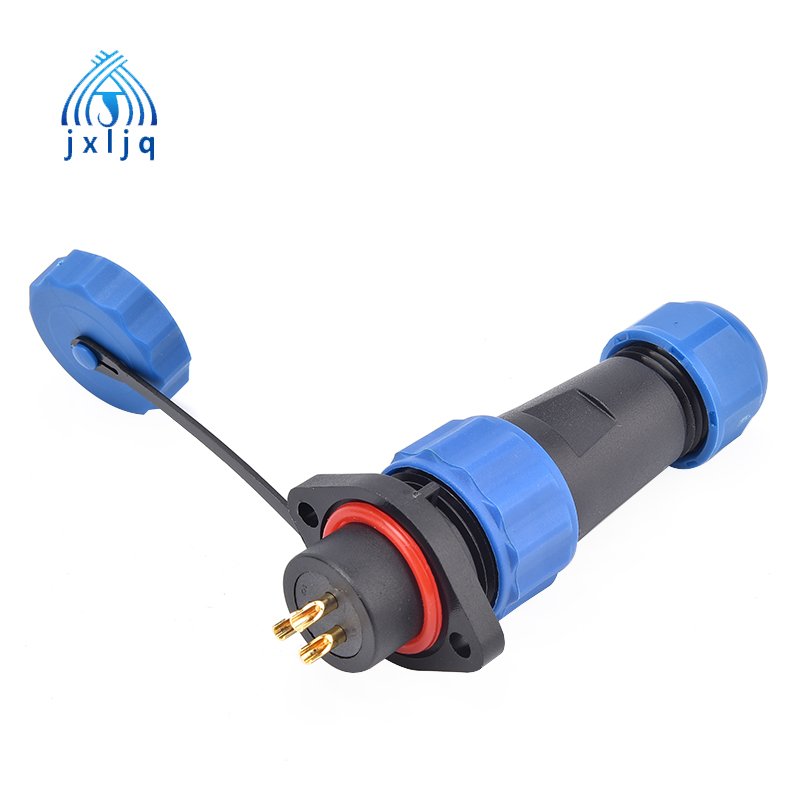
Mechanically a fountain is worse than a pool: nozzles vibrate, floats move, cables are pulled at every clean. Where a box would be overkill, an inline IP68 mini waterproof connector rated 400 V and 25 A, 2–5 cores, 5–14 mm cable, seals with one joint instead of two. Where a box is right, strain-relieve the cable at the enclosure wall so vibration stops at the gland.
Winterizing and the Annual Check
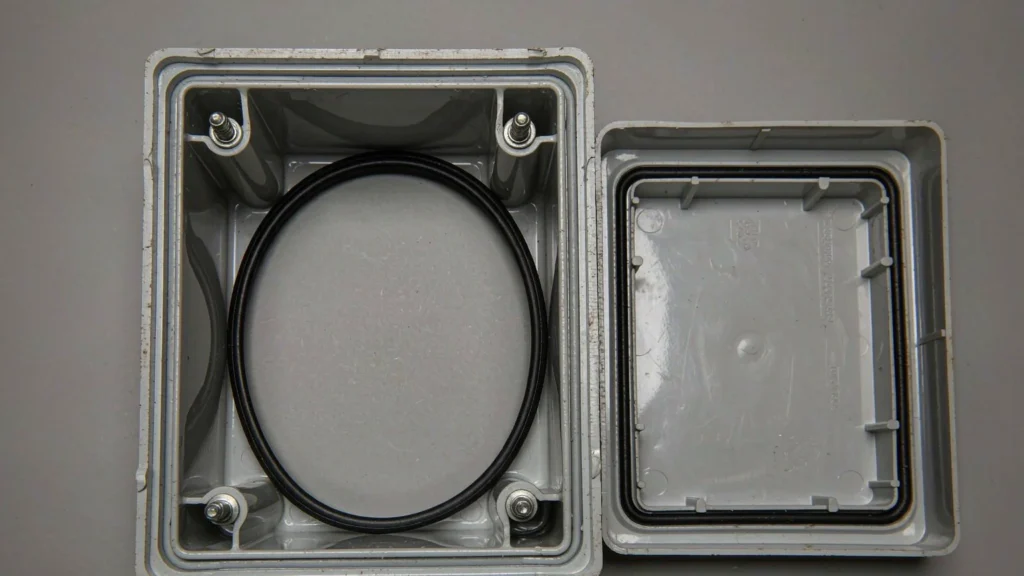
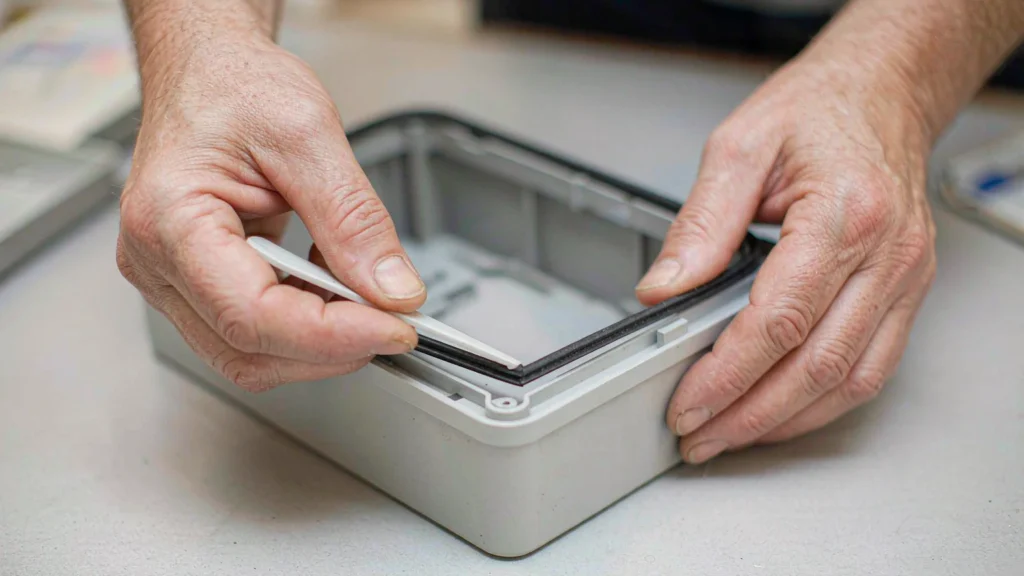
Water expands about nine percent when it freezes, and a half-full deck box with a blocked drain is an excellent place for that to happen. Before the first frost: isolate and drain the circuit, confirm the box drains, and leave lid screws at specified torque. Once a year, check that the gasket still stands proud of its groove, that no water tracks past the entries, that conductors show no green deposit, and that torque has not changed. A silicone O-ring that has taken a permanent set is a consumable, not a lifetime part.
Vent plug if the box sees daily temperature swing.
Glands matched to measured cable OD, entries facing down.
Bonding lug as a separate item, with its own conductor and label.
Silicone O-ring spares, one per box, held on site.
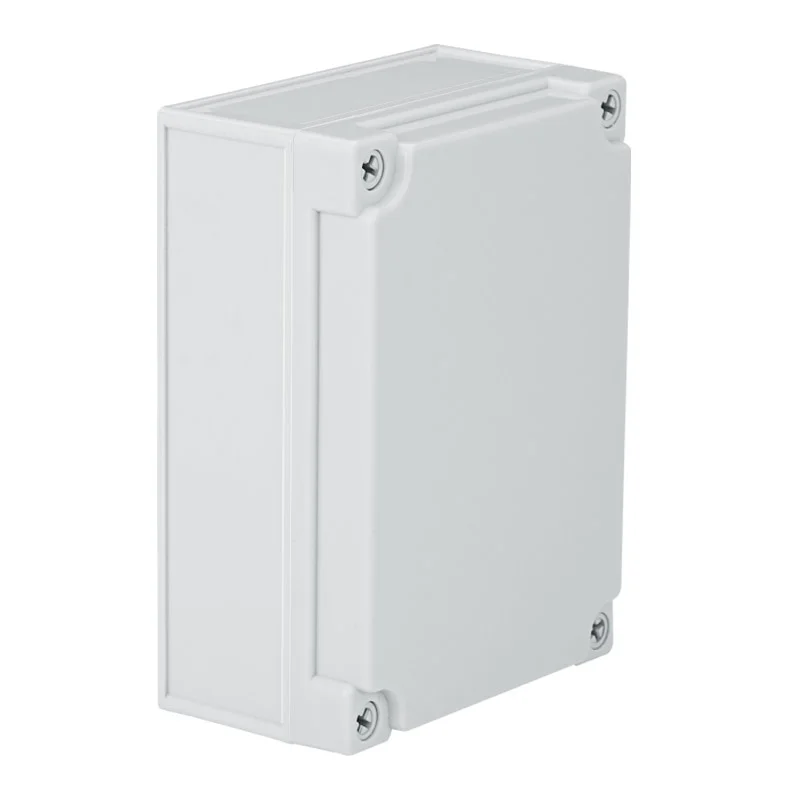
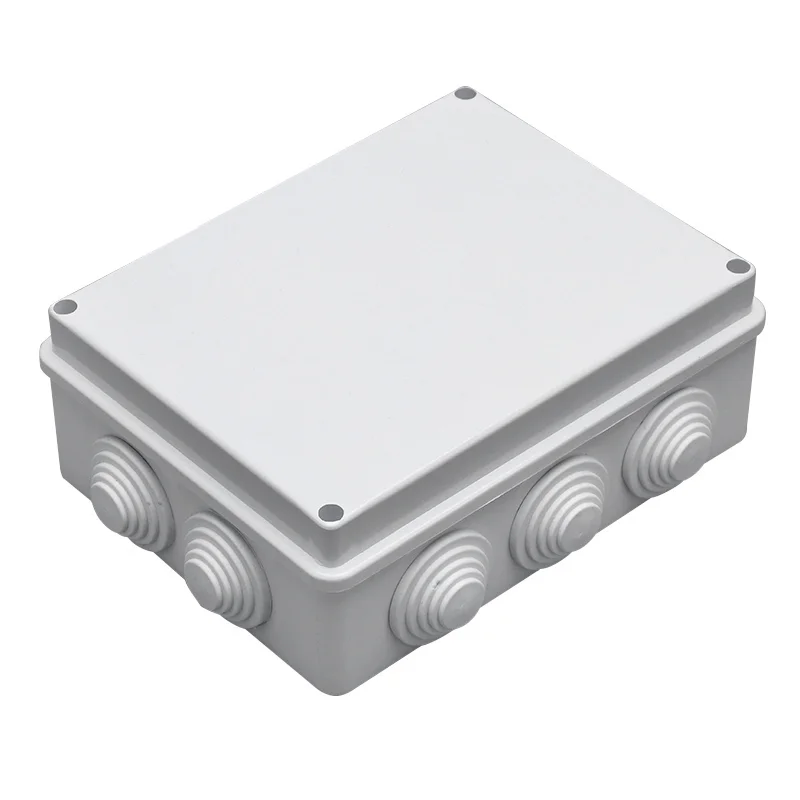
For a pad holding more hardware, the JX-AG IP67 box runs from 95×65×55 mm to 280×190×180 mm with an IK08 impact rating. If you are still narrowing the family, the waterproof junction box selection guide sets out our decision order.
Conclusion
Pool wiring rewards boring decisions. Put the deck box high enough that water cannot reach it, keep the bonding conductor on a lug, let the enclosure breathe instead of sealing its conduit, and treat the gasket as an annual consumable. None of that needs a special product. It needs a pool junction box chosen for the duty it will actually see — splash, vapour and chemistry — not for a number on a data sheet.
FAQ
Can I use a standard IP68 mini junction box as a pool deck box?
For the luminaire splice, yes, provided it is mounted above maximum water level with entries facing down and a drain path. For the pump circuit, check terminal capacity against conductor size first.
Can the bonding conductor go through the junction box terminals?
No. Bonding conductors are larger and usually stiffer than any mini box terminal range. Terminate them on a dedicated brass lug with its own fixing.
Why does my deck box fill with water when the pool never overflowed?
Almost always condensation from the warm niche and conduit below. Fit a vent plug; stop sealing the conduit.
Is IP67 enough for a pool equipment pad?
For splash and rain, IP67 with downward-facing entries is normally adequate. Immersion is a different question.
How often should the gasket be replaced?
Inspect annually; replace when it no longer stands proud of its groove. Silicone takes a permanent set and does not recover.
Introduction Outdoor electrical enclosures are constantly exposed to rain, dust, temperature changes, and UV radiation. Choosing the right cable entry solution is essential.The IP68 nylon cable gland is one of the most reliable options for outdoor enclosures. Why IP68 Matters for Outdoor Use Outdoor environments require long-term sealing performance. IP68-rated nylon cable glands provide: Common […]
Metric, PG, and NPT cable gland threads are mechanically incompatible. This guide explains the dimensional differences, shows conversion by cable OD band, and lists adapter solutions for legacy enclosures.
A CE RoHS junction box pack is not one certificate: what each document proves, who may issue it, where the substance risk hides, and four checks that expose a weak pack.
We use cookies to enhance your browsing experience, serve personalised ads or content, and analyse our traffic. By clicking "Accept All", you consent to our use of cookies.