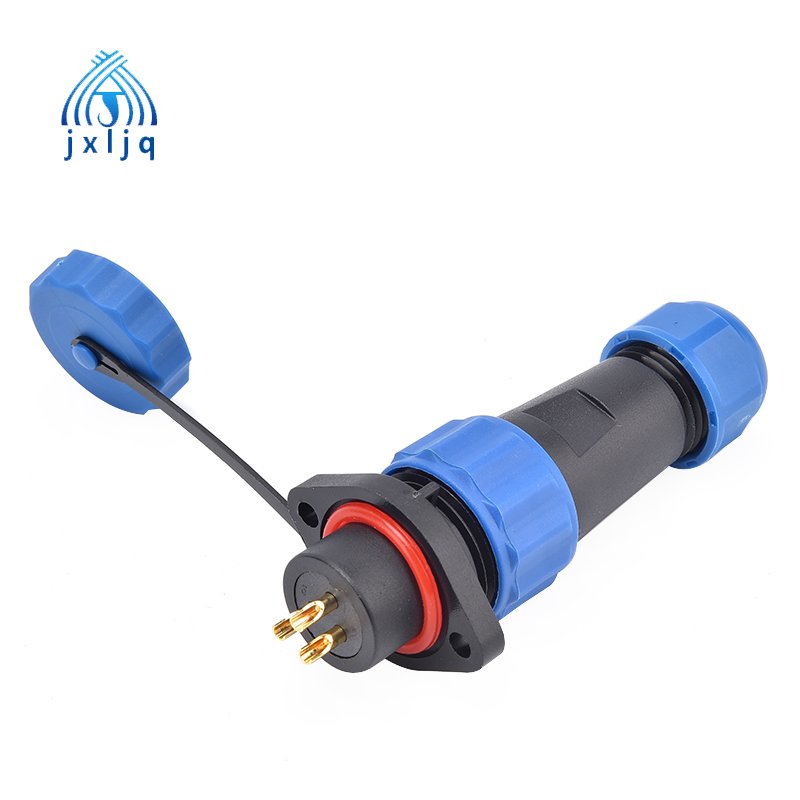
1. IP68 Nylon Cable Gland Overview: What It Is and Why It Matters
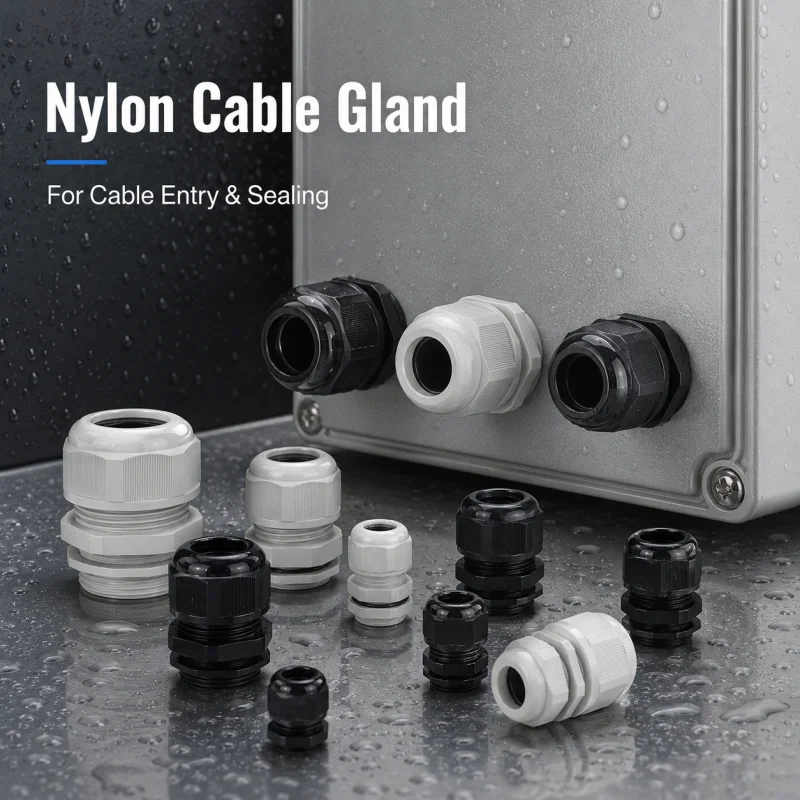
An IP68 Nylon Cable Gland is a cable entry sealing component used to secure and protect electrical cables as they pass into enclosures, junction boxes, or industrial equipment. Its primary function is not only to fix the cable in place but also to maintain a reliable sealing barrier against dust, moisture, and mechanical stress.
In industrial and outdoor electrical systems, cable entry points are often one of the most vulnerable areas. If sealing fails, water ingress or dust contamination can lead to insulation breakdown, corrosion, or even system shutdown. This is why IP68-rated components are widely specified in professional electrical design rather than general-purpose cable fittings.
Unlike basic plastic fittings, an IP68 nylon cable gland is engineered to meet a defined ingress protection standard, ensuring long-term sealing performance in demanding environments.
2. IP68 Rating in Real Industrial Environments
The IP68 rating is defined under international ingress protection standards, but its real engineering meaning goes beyond a simple number classification.
The “6” indicates complete protection against dust ingress
The “8” indicates protection against continuous water immersion under defined conditions
However, in real industrial use, IP68 does not mean “unlimited waterproof in all conditions.” Factors such as water pressure variation, installation quality, cable tolerance, and temperature cycling can all influence sealing performance.
A common engineering misunderstanding is assuming IP68 automatically guarantees failure-free performance in any underwater condition. In practice, correct installation and material selection are equally important as the rating itself.
3. Nylon Material Performance in Cable Gland Applications
Nylon (typically PA66 engineering plastic) is widely used in cable gland manufacturing due to its balance of electrical insulation, corrosion resistance, and cost efficiency.
From an engineering perspective, its performance characteristics include:
Outdoor LED lighting systems exposed to rain and UV radiation
Industrial control panels and automation cabinets
EV charging infrastructure and power distribution units
Telecommunications outdoor enclosures
Water treatment and pumping station control systems
In solar and EV systems, for example, cable glands are often exposed to temperature cycling, moisture, and UV radiation. In these cases, nylon provides a practical balance between protection and cost efficiency, provided UV-stabilized material is used.
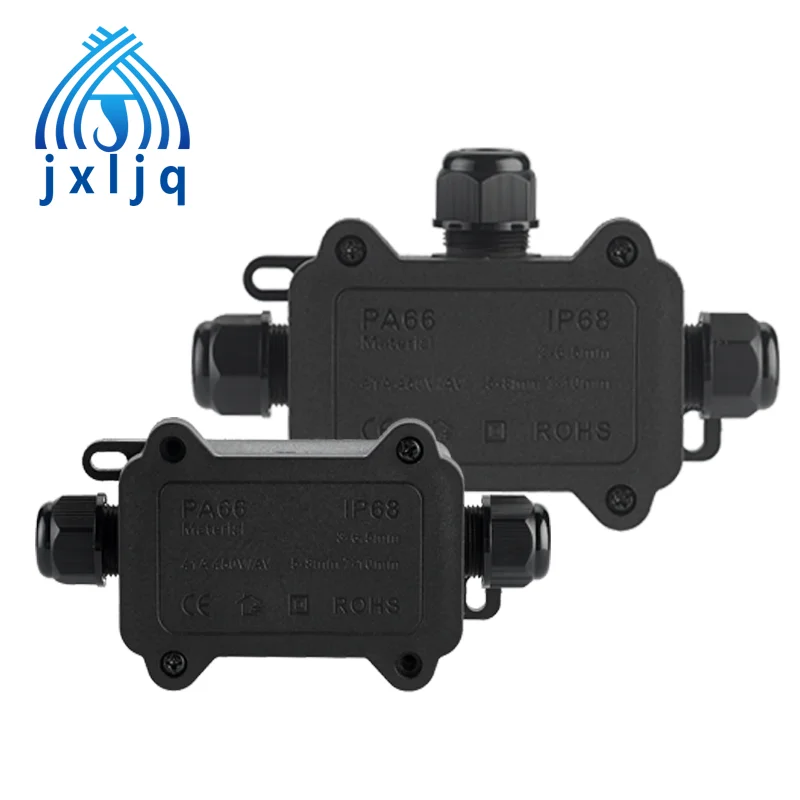
IP68 Nylon Cable Gland Product Reference
5. Nylon vs Brass vs Stainless Steel: Engineering Selection Logic
Material selection is one of the most critical decisions in cable gland engineering, and it should always be based on environmental and mechanical requirements rather than cost alone.
Nylon cable glands are typically preferred when electrical insulation and corrosion resistance are required, but mechanical stress is moderate. Brass and stainless steel become more relevant when vibration, pressure, or harsh chemical exposure dominates system requirements.
In real engineering projects, failures often come not from product quality but from incorrect selection or installation.
Common mistakes include:
Selecting incorrect cable diameter range
Using incompatible thread types (Metric, PG, or NPT mismatch)
Over-tightening, leading to seal deformation
Ignoring UV exposure in outdoor installations
Assuming IP68 performance without proper installation control
Mistake
Result
Engineering Fix
Wrong cable size
Seal failure
Match gland range to cable OD
Incorrect thread
Loose connection
Standardize thread system
Over-tightening
Seal damage
Follow torque guidelines
UV exposure ignored
Material aging
Use UV-stabilized nylon
These issues highlight that cable gland performance is a system-level result, not just a product specification.
7. FAQ
What is an IP68 nylon cable gland used for?
It is used to seal and secure electrical cables entering equipment enclosures while providing protection against dust and long-term water exposure.
How is IP68 different from IP67 in real applications?
IP67 is suitable for temporary immersion, while IP68 is designed for longer and more stable water exposure conditions under defined standards.
Can nylon cable glands be used outdoors long term?
Yes, but only UV-stabilized nylon should be used to ensure long-term resistance to sunlight and environmental aging.
How do I choose the correct cable gland size?
The cable outer diameter must fall within the sealing range specified by the manufacturer to ensure proper compression and sealing.
Is nylon better than brass for cable glands?
It depends on application conditions. Nylon is better for insulation and corrosion resistance, while brass performs better under mechanical stress.
What certifications are required for European applications?
Typically CE, RoHS, and IP68 compliance documentation are required depending on project specifications.
8. Conclusion and Engineering Selection Guidance
Selecting an IP68 nylon cable gland requires balancing environmental conditions, mechanical requirements, and electrical safety considerations. Nylon is a strong choice for applications requiring insulation, corrosion resistance, and cost efficiency, particularly in outdoor electrical systems such as solar, EV charging, and industrial control panels.
However, engineers should always evaluate whether environmental stress or mechanical load conditions require alternative materials such as brass or stainless steel.
For detailed specifications, dimensional selection, or application matching, reviewing manufacturer technical data is strongly recommended before final procurement decisions. Nylon Cable Gland Technical Reference
For engineers and technical procurement specialists in Europe and Australia, selecting the right cable gland is critical to ensure both electrical safety and long-term system reliability. The IP68 Nylon Cable Gland offers a specific combination of waterproof performance, electrical insulation, and lightweight material properties that are essential in many industrial applications. Understanding its features, proper […]
What a cable gland factory tour should show you: the 7-stage production chain, injection molding discipline, capacity verification and a 12-point audit checklist.
Compare 304 vs 316 stainless steel cable glands by chemistry, corrosion resistance and cost, and learn when to specify each grade for marine or industrial duty.
We use cookies to enhance your browsing experience, serve personalised ads or content, and analyse our traffic. By clicking "Accept All", you consent to our use of cookies.