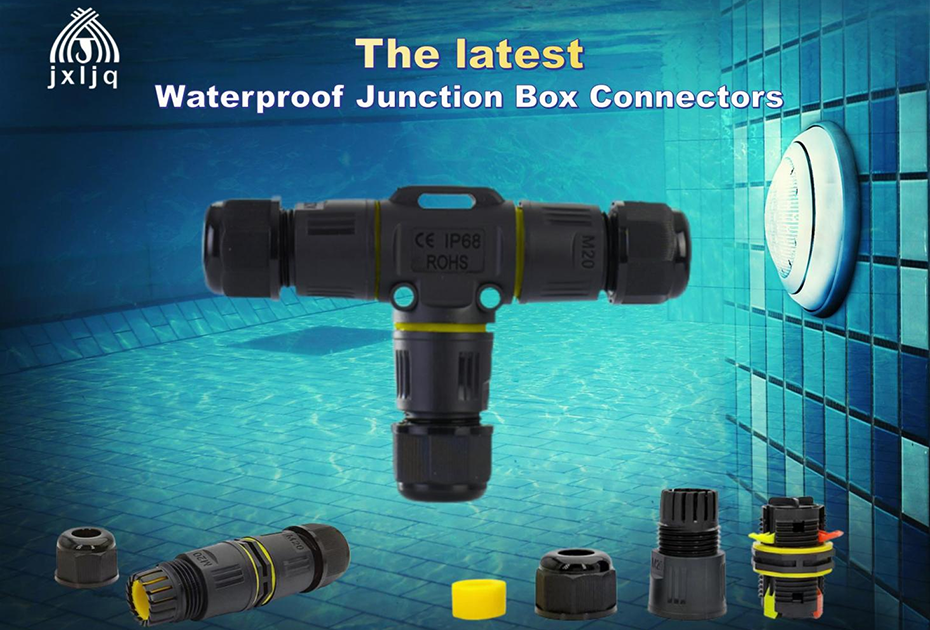
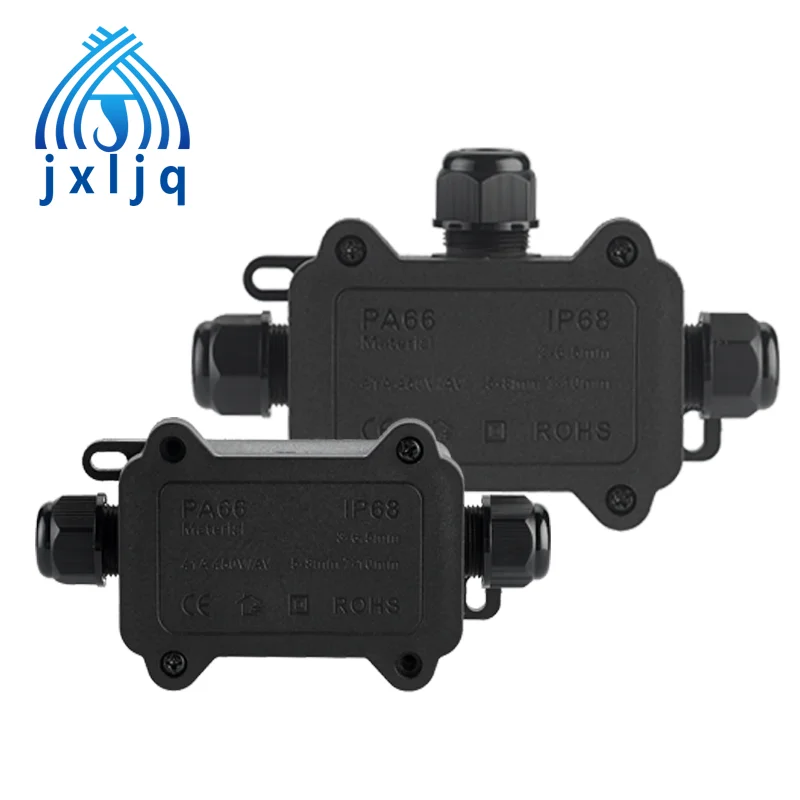
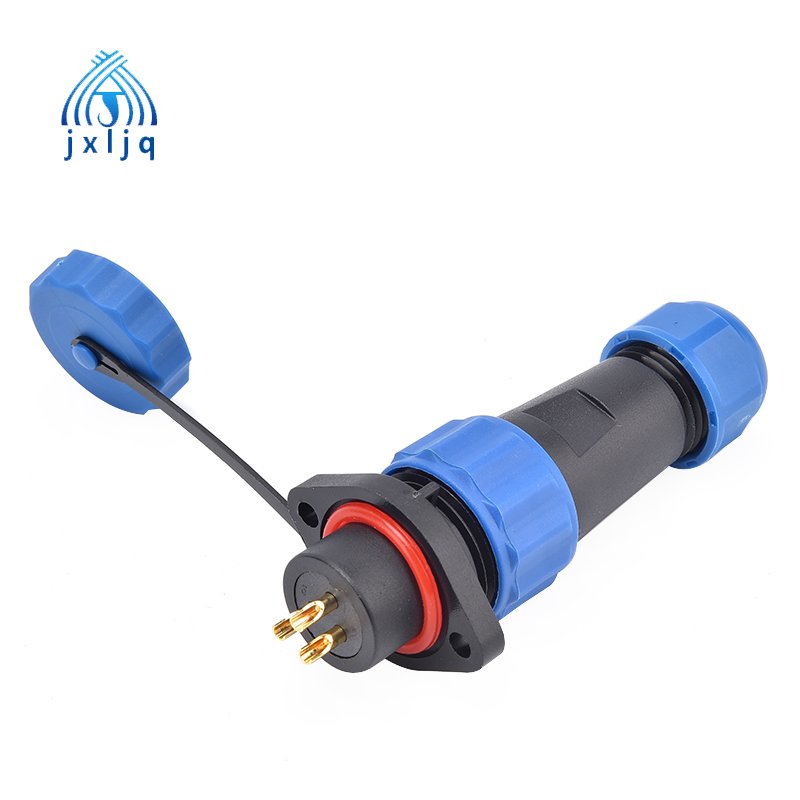
A waterproof junction box connector is a compact, factory-sealed electrical connector that joins cables in wet, dusty, or outdoor locations without needing a separate junction box. It combines the cable housing, the wire termination, and the IP68 sealing ring in one unit, so the connection stays dry even when buried underground or exposed to heavy rain. If you are wiring garden lighting, water pumps, outdoor signs, or solar equipment, this guide explains how these connectors work, which types are available, and how to choose and install them correctly.
What Is a Waterproof Junction Box Connector?
A waterproof junction box connector is an inline or branch connector designed for low-voltage power and signal cables in damp environments. The housing is typically molded from nylon PA66, the internal contacts are brass with nickel plating or a 59-1 copper core, and a silicone sealing ring is compressed by the clamping nut when the connector is tightened. This construction gives the connector a rated protection level of IP68, meaning it is dust-tight and can be continuously submerged under specified conditions.
Compared with a traditional junction box, the connector is smaller, needs no separate cable glands, and can be installed in minutes. It is the preferred choice for external cabling, displays, fountains, landscape lighting, and solar water heater wiring.
How Does an IP68 Waterproof Junction Box Connector Work?
The IP (Ingress Protection) code is defined by IEC 60529. The first digit “6” means the connector is completely protected against dust, and the second digit “8” means it is protected against continuous immersion in water. When you tighten the nut, the silicone ring presses around the cable sheath and the connector housing, creating a watertight seal along the entire cable entry path.
IP rating
Solid protection
Water protection
Typical use
IP65
Dust-tight
Protected against water jets
Sheltered outdoor fixtures
IP66
Dust-tight
Protected against powerful water jets
Exposed outdoor equipment
IP67
Dust-tight
Temporary immersion up to 1 m
Rain-prone installations
IP68
Dust-tight
Continuous immersion
Underground and underwater wiring
Because the seal depends on correct assembly, the connector must be tightened firmly and the cable diameter must sit inside the range specified for the connector. A cable that is too thin will not compress the ring fully; a cable that is too thick may tear the seal during installation.
Types of Waterproof Junction Box Connectors
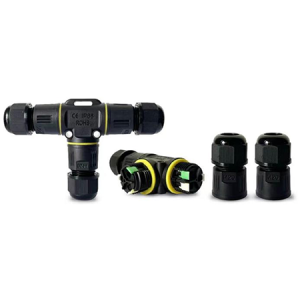
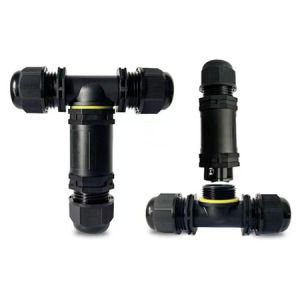
Waterproof junction box connectors come in a few basic shapes and termination styles. The straight or inline connector joins two cable ends in a continuous run, while a T-type 3-way connector adds a branch line off a main cable, which is useful for daisy-chaining outdoor lights. For the termination itself, screw-type connectors fix the wires inside the posts with a screwdriver, while quick-type connectors clamp the wire with a lever or spring and need no tools at all.
Feature
Screw type
Quick type
Installation
Needs a screwdriver
Tool-free, press and clamp
Reliability
Very secure, vibration-resistant
Secure for most low-voltage uses
Best for
Industrial and fixed installations
DIY and fast field wiring
Both styles are available in 2-pin, 3-pin, 4-pin, and 5-pin versions, and they accept cable outer diameters from about 3 mm up to 14 mm depending on the model. If you need a branch connection, see our guide to the advantages of the T-type 3-way waterproof connector.
Where Should You Use Them?
Waterproof junction box connectors are widely used in domestic and commercial low-voltage wiring where moisture is a risk, such as:
Outdoor garden and path lighting
Tunnel, street, and landscape lighting
Underwater lights and fountain pumps
Outdoor LED displays and billboards
Solar panel and wind energy wiring
Submersible water pumps and irrigation systems
They are also popular with DIY users because they are a safer, longer-lasting alternative to wrapping joints with electrical tape. For more details on where these connectors fit, see our article on the applications of IP68 waterproof connectors.
How to Choose the Right Waterproof Junction Box Connector
Choosing the right model is mostly a matter of matching four specifications:
Cable diameter. Check the outer diameter (OD) of your cable and select a connector whose sealing range covers it, for example 5–8 mm, 9–12 mm, or 10–14 mm.
Pin count. Count the cores in your cable. A 2-pin connector suits two-core DC wiring, while 3–5 pin versions cover AC power and multi-core cables.
Termination style. Use screw type for permanent, vibration-prone installations and quick type for fast field wiring.
Material and rating. Nylon PA66 housings resist UV, oil, and common solvents and work from about −40°C to 100°C. Check the current rating (most models support up to 25 A) against your load.
Unscrew the connector ends and slide the clamping nuts over each cable before terminating.
Strip the insulation to the recommended length and insert the wires from both sides into the terminal tube.
For screw type, tighten the terminal screws with a screwdriver. For quick type, lift the lever and push the wire into the hole, then release it.
Tighten each nut so the rubber sealing ring grips the cable sheath firmly.
Give the cable a gentle pull to confirm it is locked, then check that both nuts are fully seated.
Common Mistakes to Avoid
Using a cable outside the connector’s OD range, which leaves the seal loose or damages the ring.
Leaving the clamping nut loose, which lets moisture enter through the cable entry.
Overtightening the nut until the silicone ring deforms and loses its seal.
Reusing electrical tape over the connector instead of relying on the IP68 seal.
Ignoring the current rating and overloading the connector for high-power equipment.
FAQ
What is the difference between a waterproof junction box and a waterproof connector?
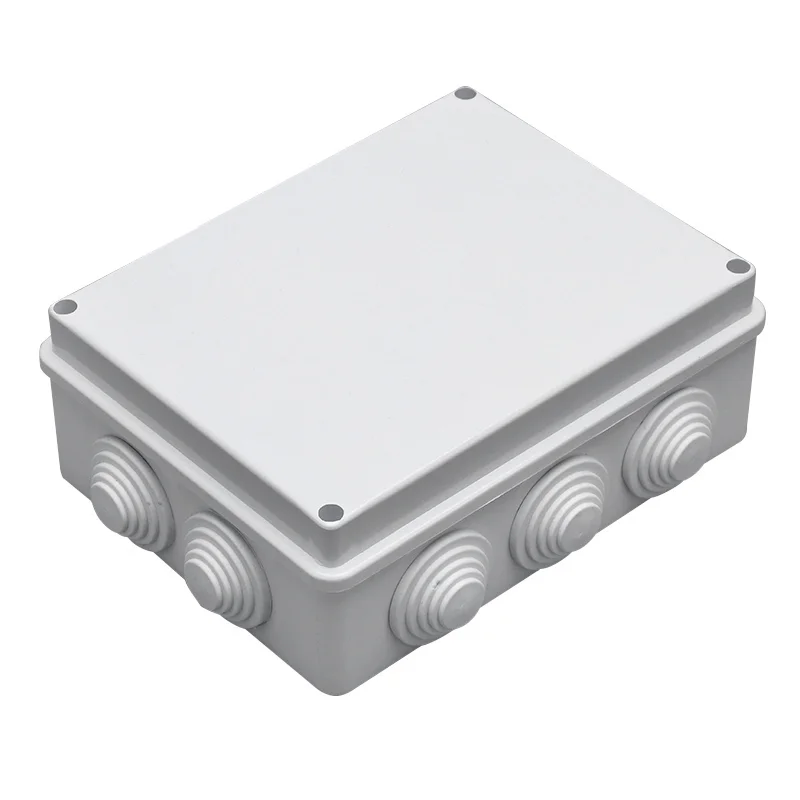
A waterproof junction box is an enclosure that receives several cables through separate glands. A waterproof junction box connector is a self-contained inline or branch connector with an integrated IP68 seal, so no enclosure is needed.
Can IP68 waterproof connectors be buried underground?
Yes. IP68 connectors are rated for continuous immersion and are suitable for direct burial, provided the cable diameter matches the sealing range and the nuts are fully tightened.
Are waterproof connectors reusable?
Most screw-type and quick-type IP68 connectors can be opened and reused several times as long as the silicone sealing ring is not damaged.
What cable sizes do waterproof connectors accept?
Typical models accept two-core to five-core cables with outer diameters from 3 mm to 14 mm. Always match the connector’s stated OD range to your cable.
Do I need a separate cable gland with these connectors?
No. The sealing ring and clamping nut are built into the connector, so separate glands or junction boxes are not required.
Conclusion
A waterproof junction box connector is the fastest and most reliable way to make durable, IP68-rated cable joints in outdoor and wet environments. Match the cable diameter, pin count, and termination style to your job, install it carefully, and you will avoid the failures that plague taped joints and unsealed boxes. If you are unsure which model fits your project, browse our waterproof connector range or contact our team for a recommendation.
Nylon Cable Glands are widely used in the electrical, communications and data industries. It is very important to choose the right nylon cable glands for your equipment. The best nylon cable glands is not necessarily the most expensive, but choose the most suitable and economical solution. Consider the folling 3 factors to choose the best […]
In a non-static application, if you still using a standard cable gland for your wire. It may cause kinking and chaffing to occur, more seriously, it can damage wires and have a chain of consequences. At this point, you can consider using Strain Relief Cable Glands. Strain Relief Cable Glands means the cable gland designed […]
The Armoured Cable Gland, also called SWA cable gland, is applied for terminating steel-wire armoured (SWA) cables and providing earthing, grounding, insulation and strain relief. Due to the SWA cable being heavy and extremely difficult to bend, it is always found in underground systems, power networks and cable ducting. It’s important to choose a high […]
We use cookies to enhance your browsing experience, serve personalised ads or content, and analyse our traffic. By clicking "Accept All", you consent to our use of cookies.