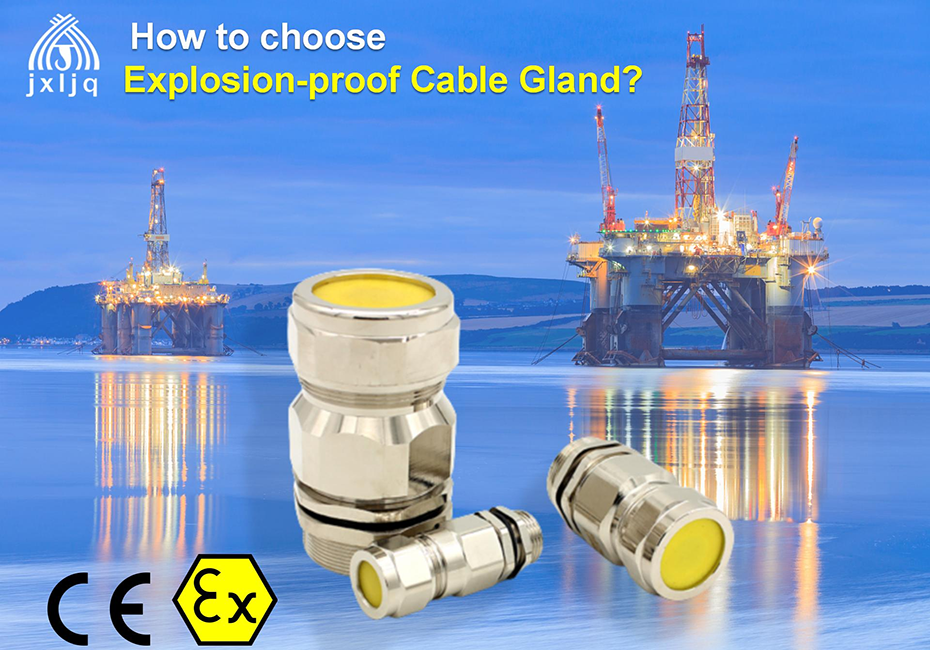
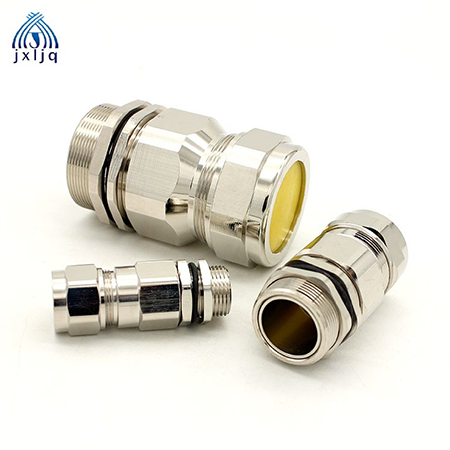
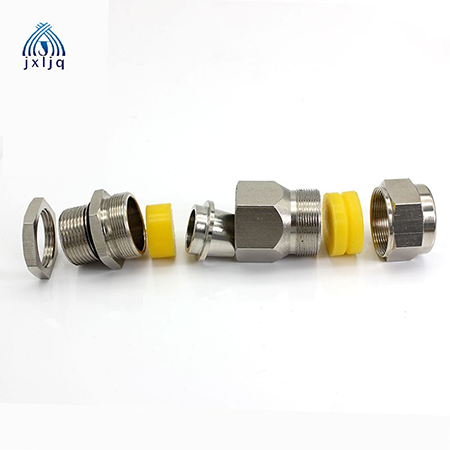
The Explosion-proof Cable Gland also known as cable connector that facilitate barrier penetration and offer sealing protection and can be utilized with probes, wires, power, and signaling cables.
It is very necessary to know some basic knowledge about Explosion-proof Cable Gland:
The Explosion-proof Cable Gland are an essential part of the wide range of electrical explosion protection equipment and prevent the occurrence of sparks or arcs which could lead to an explosion.
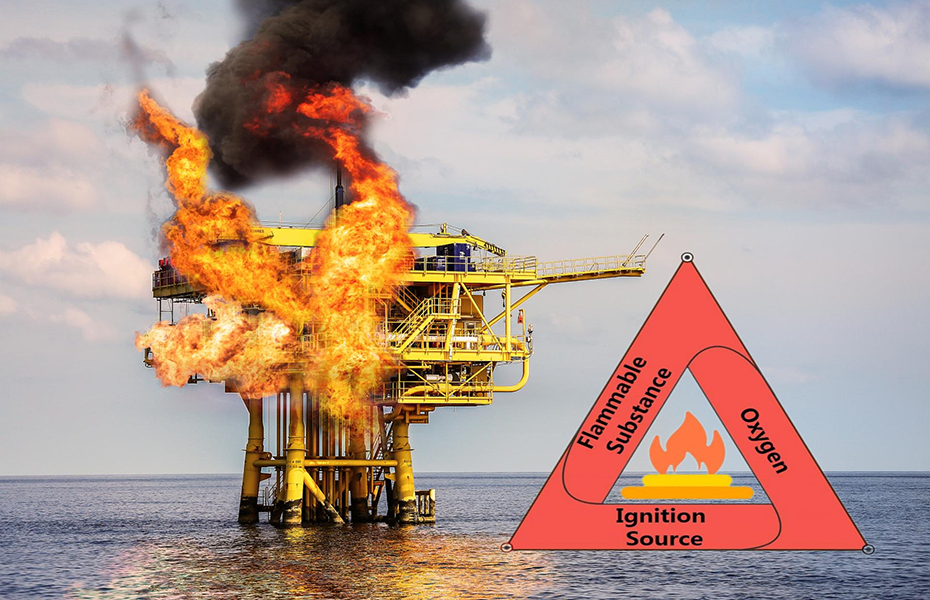
Firstly, we need to know three necessary components for an explosion to occur:
1.Flammable Substance– this needs to be present in a relatively high quantity to produce an explosive mixture (e.g. gas, vapours, mists and dusts).
2.Oxygen – oxygen is required in high quantities and in combination with the flammable substance to produce an explosive atmosphere.
3.Ignition Source– a spark or high heat must also be present.
Fundamentally, for an explosion to take place, flammable or explosive gases, vapours, mists or dusts will be present. Then, the level of risk of an explosion is based on the frequency and duration of the occurrence of an explosive atmosphere.
Hazardous areas are classified into zones based on an assessment of the frequency of the occurrence and duration of an explosive gas atmosphere, as follows:
Potential danger/high.
Explosive hazard occasionally present during normal working practices.
Minimum of Category 2 equipment.
Zone 2
Zone 22
Minor danger/normal.
Explosive hazard not likely or only for short periods
Minimum of Category 3 equipment
As a result, you really have to be conscious of the hazardous area zone classifications when you selecting Explosion-proof Cable Gland, as the “zone” governs the level of protection and precaution required.
Hazardous Area Directives for Explosion-proof Cable Gland ATEX
When Explosion-proof Cable Gland is intended for use in a hazardous area, the Explosion-proof Cable Gland must be ATEX certified as required by the EU directive 94/9/EC.
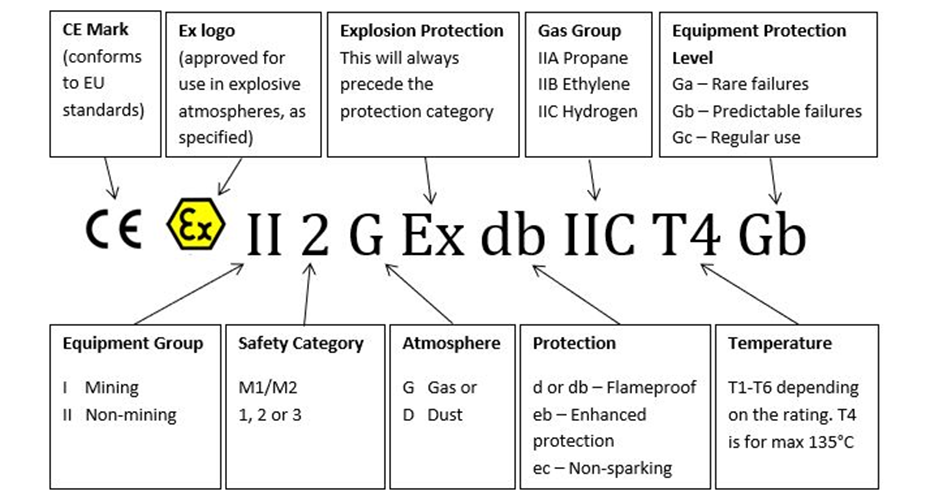
The ATEX directive requires the Explosion-proof Cable Gland to be marked with the CE mark, then followed by the serial number of the Notified Body.
The Explosion-proof Cable Gland will also bear the Ex logo and then a series of codes, to define its approval rating:
Within Europe ATEX certification of Explosion-proof Cable Gland for use in potentially hazardous atmospheres is compulsory.
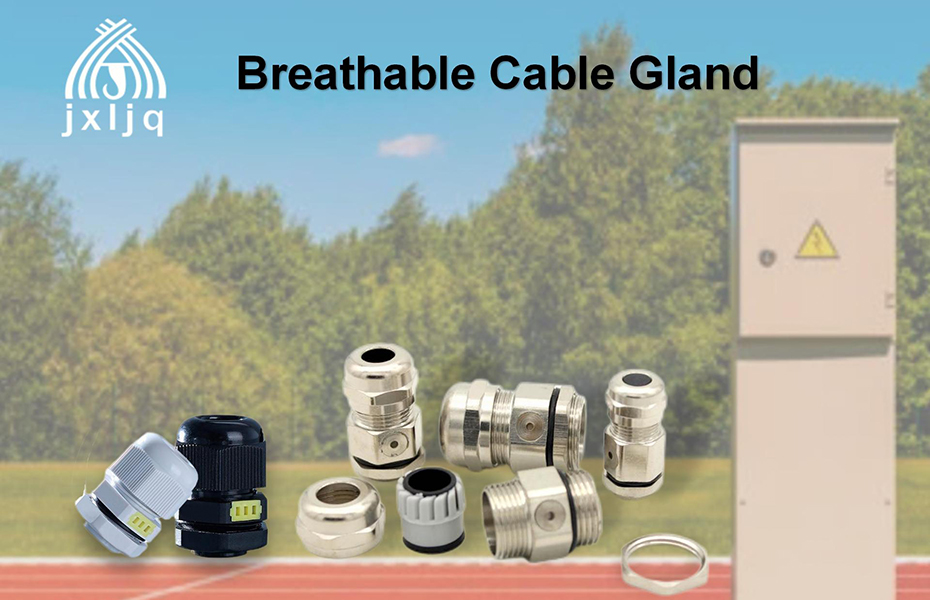
A breathable cable gland allows air to pass through, which helps to equalize pressure and prevent moisture build-up within an electrical enclosure or housing, can help to improve the lifespan and reliability of the equipment it is installed in. Additionally, breathable cable glands may also make it easier to inspect and maintain the enclosed electrical […]
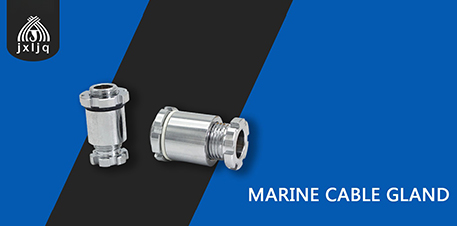
A Marine Cable Gland is sealing device used for cable entry in industrial electrical industry, shaped like a sleeve. Filling some epoxy glue in the Marine Cable Gland when cable passing through it to achieve explosion-proof, waterproof and dust-proof sealing. When used in a nautical environment, a Marine Cable Gland is wrapped around the shaft […]
CCTV Systems are a part of our everyday lives. They are ubiquitous and are found in our homes, on streets, highways, railway stations, trains, museums, cinemas, hospitals and numerous other public places. But the cabling on CCTV Systems is the weakest link of a circuit and is often subject to attack by exposure to the extreme conditions that they are […]
We use cookies to enhance your browsing experience, serve personalised ads or content, and analyse our traffic. By clicking "Accept All", you consent to our use of cookies.