Blog
IEC 62444 Cable Glands: EN 50262 Standard Explained
IEC 62444 replaced EN 50262 as the cable gland standard. This guide decodes the classification codes, type tests and datasheet items buyers should verify.
Read More
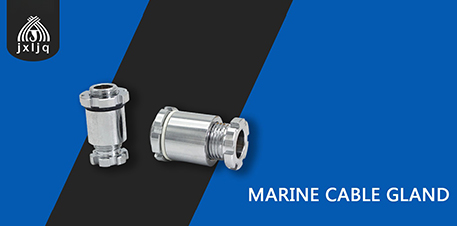
A marine cable gland is a sealing device used for cable entry in industrial electrical installations, shaped like a sleeve. When a cable passes through the gland, epoxy glue or a compression seal is used to achieve explosion-proof, waterproof, and dust-proof sealing at the enclosure entry point.
On a ship, every cable that passes through a watertight bulkhead, deck, or equipment housing is a potential entry point for seawater, moisture, and corrosive salt spray. This is why marine cable glands are not an optional accessory in shipbuilding—they are a classification requirement for vessel electrical systems.
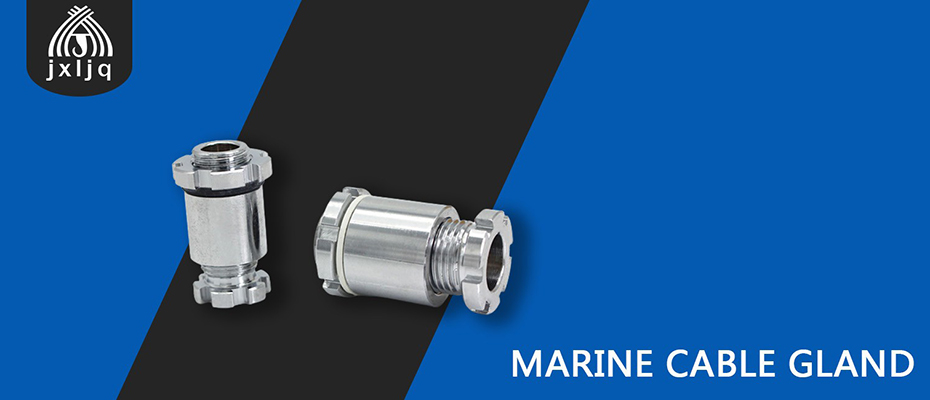
The marine environment is one of the harshest operating conditions for electrical equipment. A vessel faces continuous saltwater exposure, high humidity, vibration from engines, and extreme temperature swings. A standard industrial cable gland that works perfectly in a factory will fail early in shipboard service because it is not designed for these conditions.
In short, a marine cable gland is selected for long-term reliability at sea, not just for cable retention on land.
Marine cable glands are used across the entire vessel, wherever cables enter an enclosure or pass through a barrier:
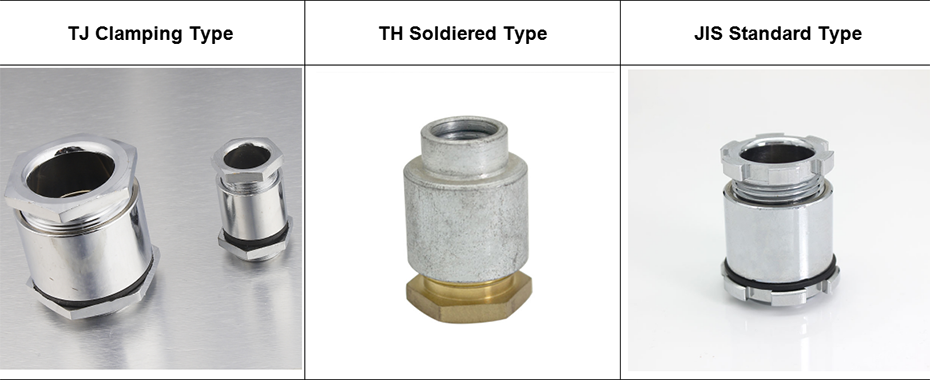
For shipbuilding projects, Jixiang Connector offers two dedicated marine gland ranges that meet different specification needs:
Both ranges are produced by a professional marine cable gland manufacturer with 13+ years of experience, with OEM/ODM service for custom sizes, threads, and packaging.
When selecting a marine cable gland for your project, keep these inspection points in mind:
A marine cable gland seals the cable entry point on ships, offshore platforms, and coastal installations. It prevents seawater, moisture, and salt spray from entering enclosures and protects the cable against vibration and mechanical stress in shipboard service.
A marine cable gland is designed for saltwater corrosion resistance, watertight sealing, vibration resistance, and ship classification compliance. A standard industrial gland may perform well in a factory but fails early in marine service because it is not built for continuous salt spray and humidity.
Marine cable glands are usually made of chromium-plated brass or stainless steel for corrosion resistance. The sealing and clamping components use elastic rubber such as NBR or EPDM to maintain watertight integrity over long service periods.
The JIS marine cable gland is manufactured to the JIS standard with PF entry threads and CE/REACH approval, suitable for unarmoured cables from JIS-10 to JIS-75. The TJ marine cable gland uses an NBR clamping ring, is IP68/ISO9001/TUV certified, and is used in instrument, ship, machinery, and oil field applications.
For shipboard use, a gland with IP68 or higher watertight protection is recommended, especially for bulkhead and deck penetrations. Always verify that the claimed IP rating is backed by a test report and matches the protection level required by your ship specification.
Yes. Marine cable glands such as the JIS range are designed for all types of unarmoured cables. For armoured cables, select a gland type that provides armour clamping and termination according to the cable construction.
Jixiang Connector is a leading cable gland manufacturer in China, providing competitive pricing and efficient marine cable gland solutions. Feel free to contact us for any inquiry or to request samples for your shipbuilding project.
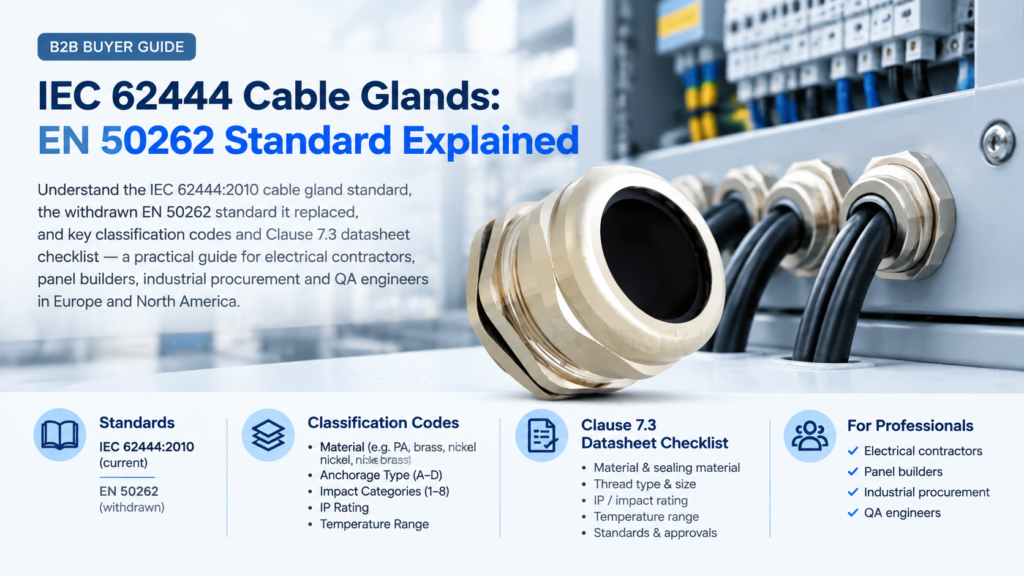
IEC 62444 replaced EN 50262 as the cable gland standard. This guide decodes the classification codes, type tests and datasheet items buyers should verify.
Read More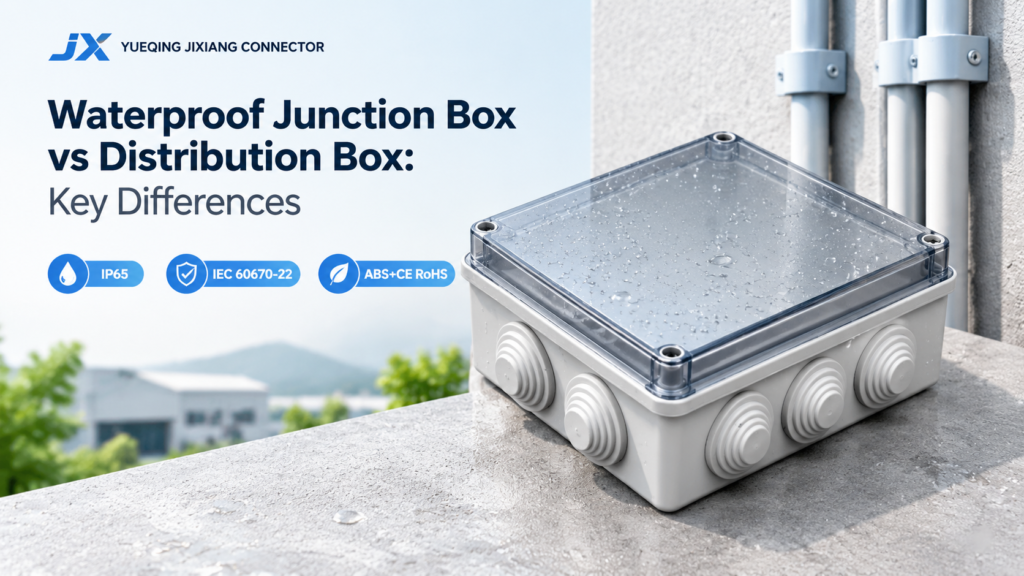
A waterproof junction box joins wires, a distribution box protects circuits. Compare function, standards, IP ratings, sizing and cost before you specify the right enclosure.
Read More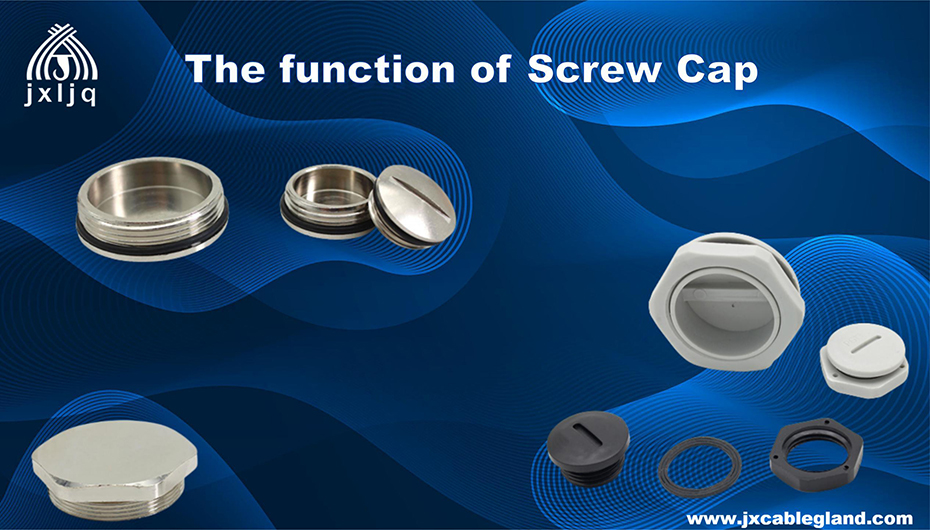
What a screw cap (end cap or blanking plug) does: sealing unused enclosure entries, maintaining IP ratings, plus material and size selection.
Read More