Blog
IP68 Waterproof Junction Box Selection Guide (2026)
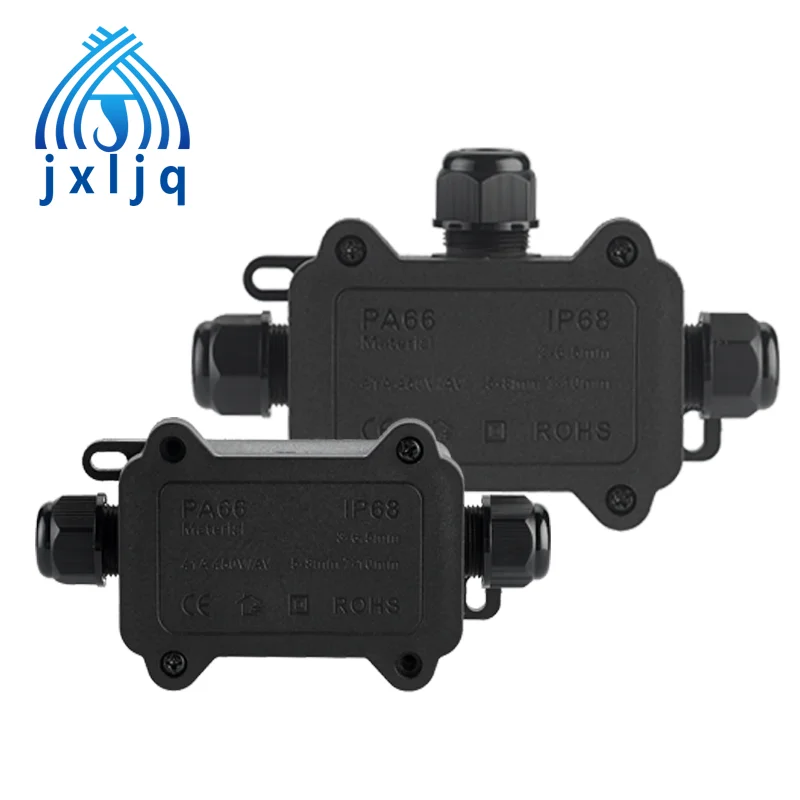
How to choose an IP68 waterproof junction box: match the IP rating, count the ways and cable entries, verify cable range and rating, and seal each entry with the right gland.
Read More
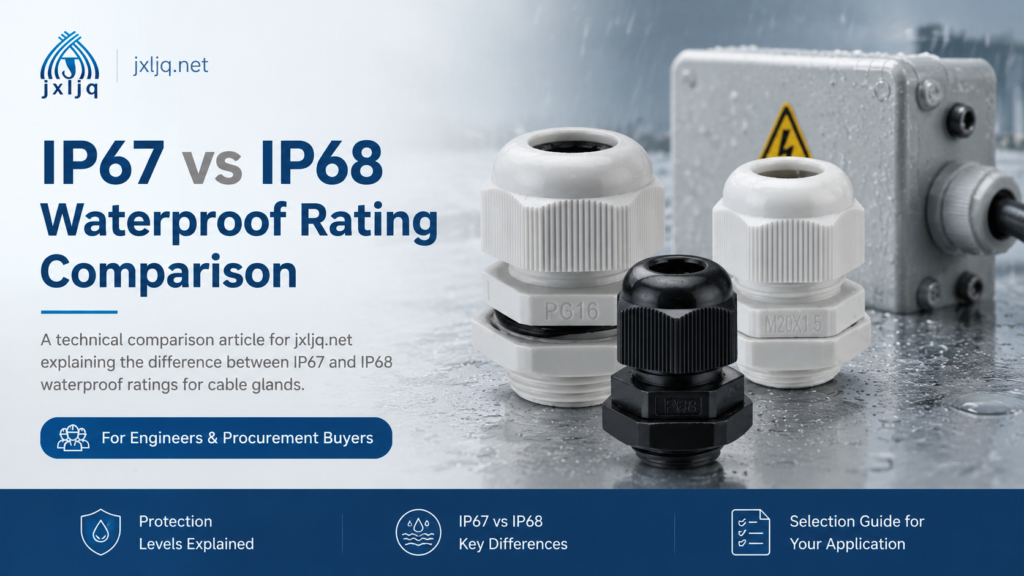
The IP code (Ingress Protection) is defined by IEC 60529. It always has two digits after the letters “IP.” The first digit measures protection against solid objects such as dust and tools. The second digit measures protection against water. For industrial cable glands, the first digit is usually 5 or 6, and the second digit is what most buyers debate.
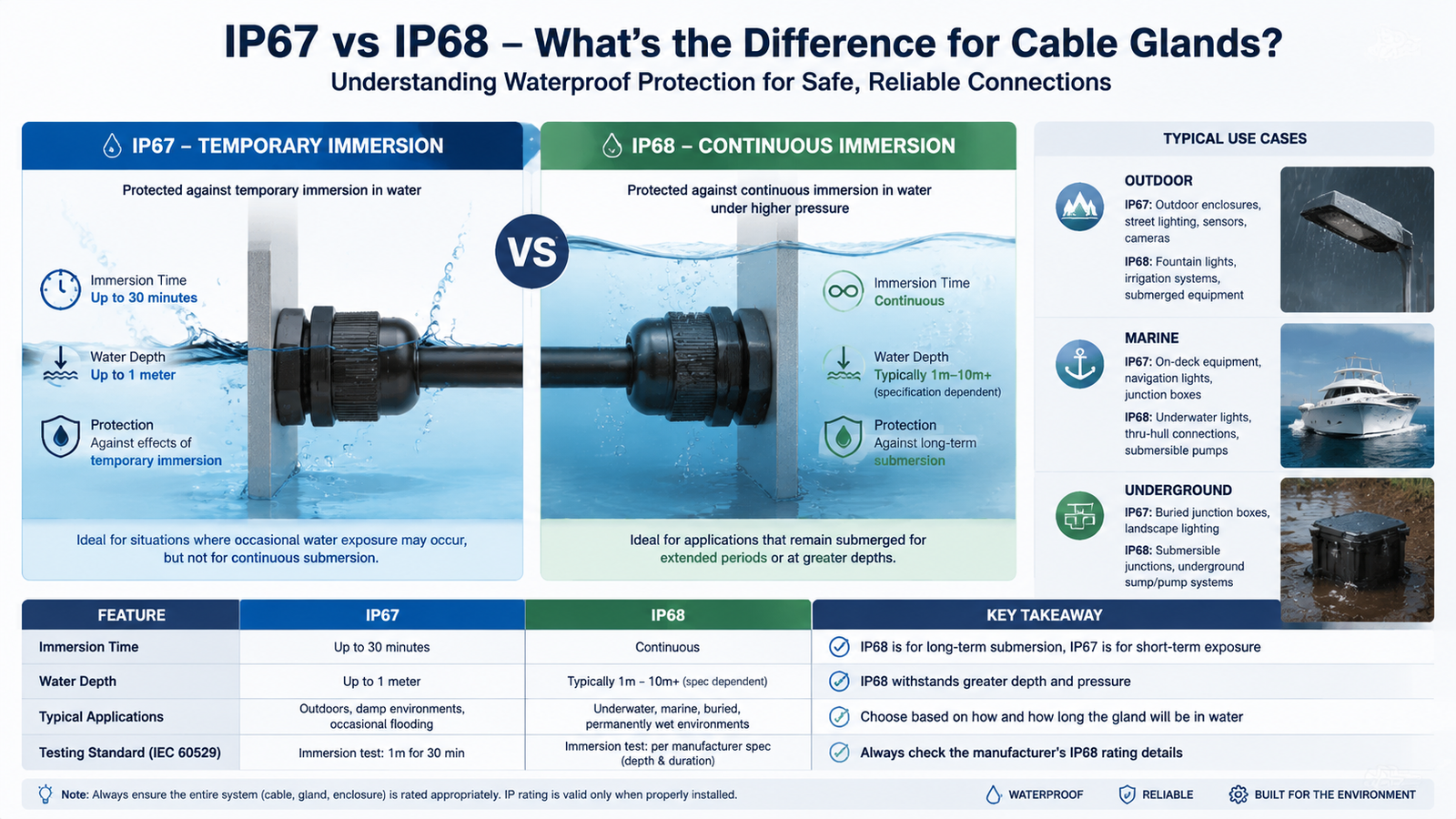
A rating of IP67 means the enclosure or gland is dust-tight and protected against temporary immersion in water up to 1 meter for 30 minutes. IP68 also means dust-tight, but it adds protection against continuous immersion at a depth and duration defined by the manufacturer. That manufacturer-defined detail is important, and we will come back to it.
Cable glands are also load-bearing and strain-relief parts. Because of that, they are covered by IEC 62444 as well, which governs mechanical performance, sealing, and clamping. A strong IP rating means little if the gland body cracks or the seal slips under cable pull.
Both ratings start with “6,” so both are dust-tight. The difference is only in the second digit. IP67 handles short, shallow immersion. IP68 handles longer or deeper immersion, but the exact test conditions must be stated by the supplier.
| Feature | IP67 | IP68 |
|---|---|---|
| Dust protection | Dust-tight (6) | Dust-tight (6) |
| Water test standard | 1 meter for 30 minutes | Manufacturer-defined depth and time |
| Exposure type | Temporary immersion | Continuous or extended immersion |
| Typical use | Outdoor panels, washdowns, accidental flooding | Marine, buried cable, pumps, tidal zones |
| Cost tendency | Lower | Higher |
| Installation tolerance | More forgiving | Requires correct torque and cable diameter |
Because IP68 conditions are not fixed by IEC 60529, a label that says only “IP68” without depth, duration, and test pressure is technically incomplete. A responsible supplier should state something like “IP68, 2 meters, 24 hours.” Always ask for that detail when comparing quotes.
IP67 cable glands are the right fit for most outdoor and industrial applications that see rain, spray, washdowns, or short-term standing water. Examples include:
If the gland will never sit underwater for more than a few minutes, IP67 gives full protection at a lower cost. It is also more forgiving of small installation errors because the seal is not expected to hold against sustained pressure.
IP68 is not automatically “better.” It is the correct choice when water exposure is continuous, deep, or unavoidable. Common IP68 applications include:
In these cases, the higher material and installation cost of IP68 is justified by the cost of downtime or rework if water enters the enclosure.
The IP digits themselves do not change with material. What changes is whether the gland keeps that rating over time. Nylon cable glands are lightweight, corrosion-free, and well suited to UV-exposed outdoor wiring. Brass cable glands offer higher mechanical strength and better EMC shielding when paired with grounding accessories. Stainless steel glands are preferred for marine, chemical, and food-processing environments.
For our standard nylon cable gland, the nylon body and EPDM seal give reliable IP68 performance when installed with a cable inside the stated clamping range. The material choice should match the environment, not just the IP number.
Many procurement teams and engineers make the same errors when choosing between IP67 and IP68. Avoid these three:
The IP rating is tested under ideal conditions. On site, performance depends on installation. Key points include:
Even a small gap around one gland can pull moist air into an enclosure through the “breathing” effect as internal components heat and cool. That is why every entry point matters, not just the main glands.
| Environment | Recommended minimum rating | Reason |
|---|---|---|
| Dry indoor panels | IP54–IP65 | Dust and occasional spray only |
| Outdoor rain, above ground | IP66–IP67 | Handles heavy rain and temporary flooding |
| Buried ducts, pumps, flood-prone sites | IP68 | Continuous immersion protection |
| Food and dairy washdown with steam | IP69K | High-pressure, high-temperature jets |
The difference between IP67 and IP68 cable glands is not about quality; it is about matching protection to real operating conditions. Both are dust-tight. IP67 covers temporary immersion up to 1 meter for 30 minutes, which is enough for most outdoor and industrial use. IP68 covers continuous immersion, but the exact depth and duration must be defined by the manufacturer. Choose IP67 when water exposure is brief, and choose IP68 when long-term submersion is a real risk. Then install the gland with the right cable diameter, torque, and sealing hardware so the rated protection actually holds in the field.
If you need help selecting a gland for your application, view our waterproof cable gland range or contact us with your cable size and installation environment.
No. IP68 is only better if the gland will face continuous or deep immersion. For rain, washdown, or temporary flooding, IP67 is fully adequate and more cost-effective.
IEC 60529 sets the IP67 test exactly, but it lets each manufacturer define the IP68 depth, duration, and conditions. Always ask for those details; a bare “IP68” claim is incomplete.
Yes, in most cases. IP67 handles rain, spray, and short-term standing water. However, flood-prone or coastal sites may need IP68.
No. Metric, PG, and NPT threads can all support IP68. The seal depends on the internal packing around the cable and the external O-ring against the panel, not the thread form.
It is not recommended. The seal packing takes a compression set during installation and will not seal as well the second time. Replace the seal or the whole gland for critical applications.
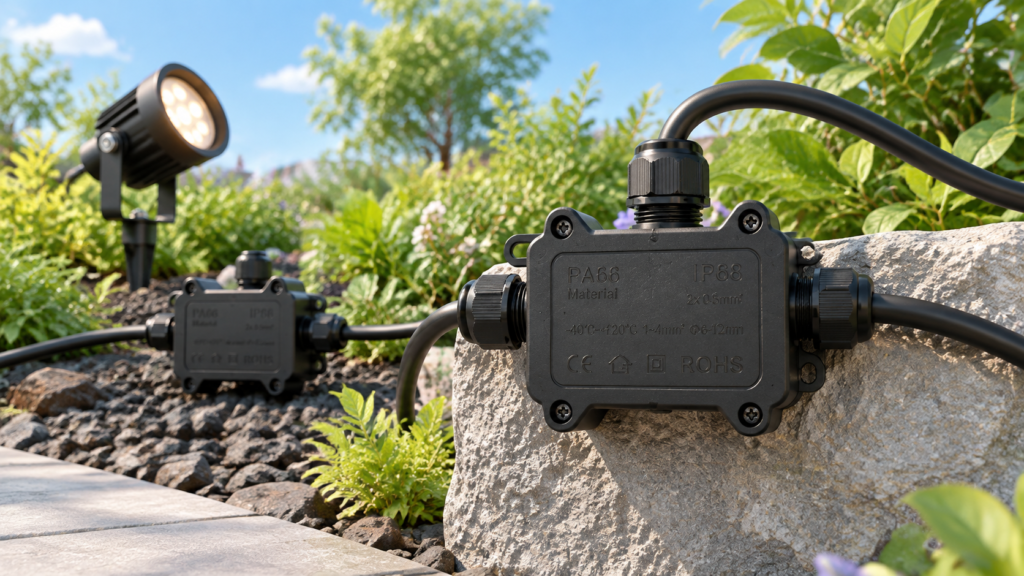
How to choose an IP68 waterproof junction box: match the IP rating, count the ways and cable entries, verify cable range and rating, and seal each entry with the right gland.
Read More
BW and CW cable glands both terminate SWA armoured cable, but they are built for different environments. Learn the key differences, IP ratings, and how to choose.
Read More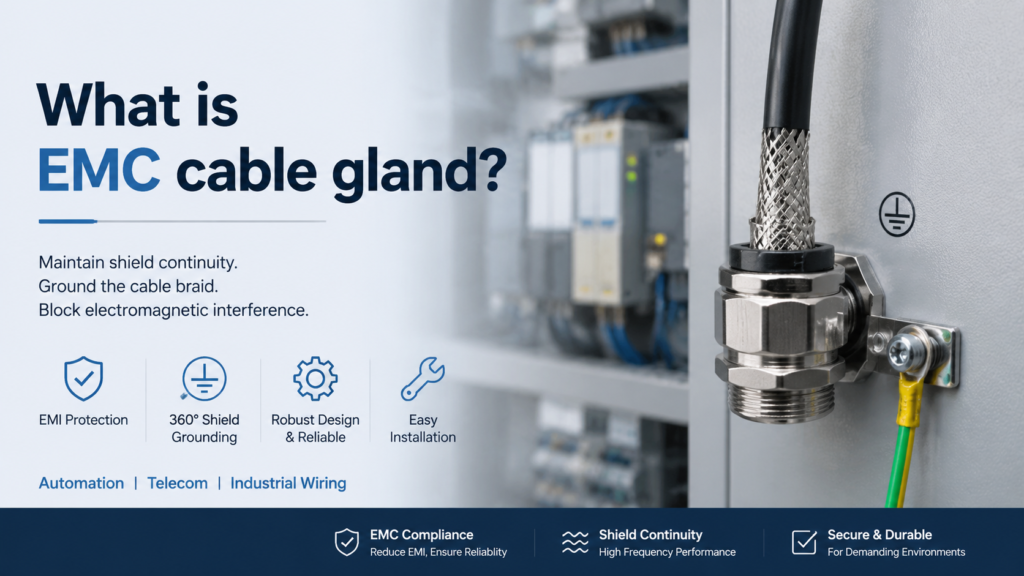
Learn what an EMC cable gland is and how it keeps a shielded cable’s braid grounded to the enclosure to block electromagnetic interference in automation, telecom, and signal systems.
Read More