Industry News
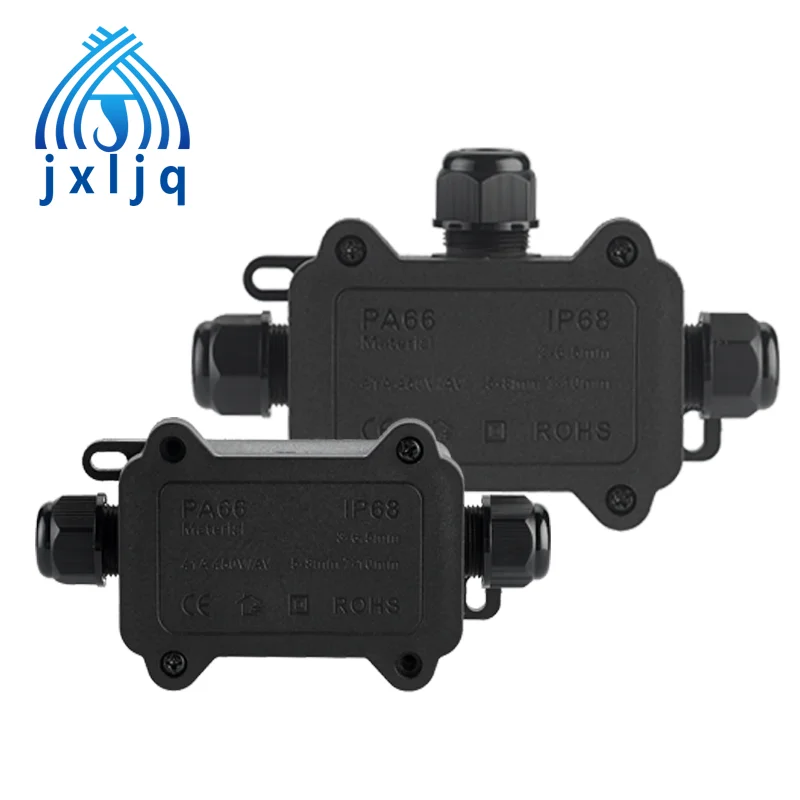
The Latest Waterproof Junction Box Connector You Should To Know
A practical guide to IP68 waterproof junction box connectors: how they seal, which type to choose, key specs to match, and installation tips for outdoor wiring.
Read More

Are you looking for a nylon cable gland but do not know how to tell a high-quality one from a cheap copy? The market is full of nylon cable glands that look identical at a glance, yet their sealing reliability, flame resistance, and service life can be completely different.
This guide focuses on quality evaluation and supplier selection: what materials and parts to inspect, which certificates actually matter, and how to choose a real manufacturer. If you instead want a technical selection guide covering IP ratings, UL 94 grades, and UV resistance, read How to Find the Right Nylon Cable Glands.
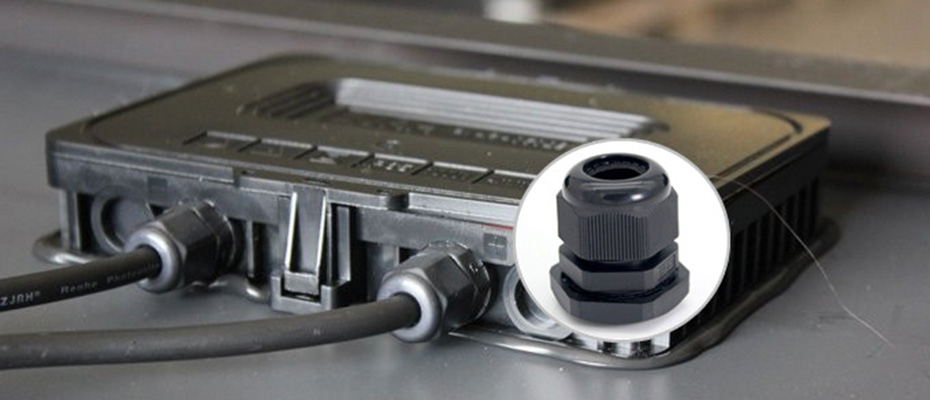
A nylon cable gland must do three jobs at once: hold the cable firmly, seal the enclosure against dust and water, and stay reliable for years under heat and mechanical stress. Quality therefore shows up in four places:
Each of these points is expanded below so you can inspect a sample gland with confidence.
Users in different industries have different basic requirements for nylon cable glands, and there are various types on the market to meet any need. Familiarize yourself with the common ones so you can match the right structure to your application:
Although the types of nylon cable glands are not yet as numerous as metal cable glands, more categories continue to emerge as applications develop.
A nylon cable gland is assembled from several standard parts. Knowing what each part is made of tells you a lot about overall quality:
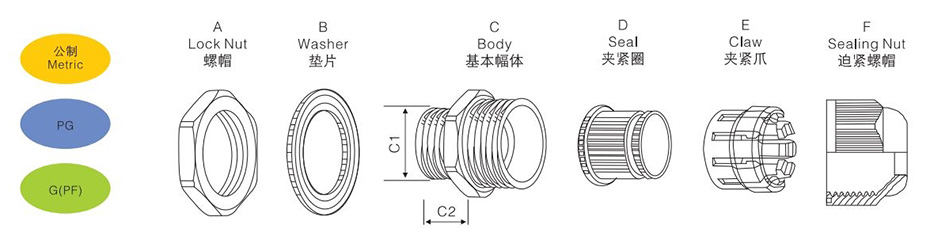
Usually the lock nut, body, claw, and sealing nut are molded from nylon. The washer and seal are made of NBR or EPDM rubber, and this is where many cheap glands fail first: low-grade rubber seals harden, crack, or lose elasticity after a few months, breaking the IP protection.
There is no doubt that materials play a crucial role in determining the quality of a nylon cable gland. One of the most important indicators is the flammability of the nylon itself.
UL 94, the Standard for Safety of Flammability of Plastic Materials for Parts in Devices and Appliances, is one of the most widely used flammability tests in the world. UL 94 V-2 is the normal requirement for nylon cable glands; higher grades such as V-0 are achievable, but they come at a higher price.
| Class | Orientation of Test Sample | Definition | Time of Burn Allowed | Particle Drop Allowed | Plaque Holes | |
| Flaming | Non-Flaming | |||||
| UL 94 HB | Horizontal | Slow Burning | Burning rate of less than 76mm/min for a specimen less than 3mm thick and burning stops before 100mm | |||
| UL 94 V-2 | Vertical | Burning Stops | 30 seconds | Yes | Yes | |
| UL 94 V-1 | Vertical | Burning Stops | 30 seconds | No | Yes | |
| UL 94 V-0 | Vertical | Burning Stops | 10 seconds | No | Yes | |
| UL 94 5VB | Vertical | Burning Stops | 60 seconds | No | No | Yes |
| UL 94 5VA | Vertical | Burning Stops | 60 seconds | No | No | No |
When evaluating quality, ask the supplier for the UL certificate and confirm the grade on the actual product packaging. A gland marked V-2 that is delivered with a V-0 price is a common red flag.
Before placing a bulk order, request samples and check these physical details. They take minutes to verify and reveal the difference between a professional manufacturer and an assembly workshop:
A high-quality gland passes these checks consistently across samples, which is the real meaning of quality control.
You will get twice the result with half the effort when you have a good partner. Remember to choose a real manufacturer of nylon cable glands, not a trader or an agency. This means lower prices, shorter lead times, and direct access to technical support.
Consider the capability of the manufacturers
The supply ability is most important. When you visit the factory or watch a video of its workshop, notice the number of molding machines, which tells you the supply capacity. Meanwhile, the cleanliness of the production area and the professionalism of the sales team also reflect the strength of the company.
Some of the well-known standards that nylon cable gland manufacturers should comply with:
Consider the compatibility between you and the factory
Do not blindly adhere to the largest manufacturers. Large factories tend to rely on their biggest customers, and it is often difficult for small buyers to get the same service, for example if they cannot meet the MOQ. Choose a supplier whose order size fits your purchasing volume.
Consider the manufacturer’s product category scope
If you do not want to be the lab rat for a factory trying out a new product type for the first time, look for a factory specialized in cable glands or nylon cable glands specifically. On the other hand, a factory with multiple product categories lets you purchase everything at once, such as buying nylon cable glands together with cables. The balance of saving time or cost is up to you.
For a complete technical view of IP rating, UL 94 grade, and UV resistance selection, see our companion guide: How to Find the Right Nylon Cable Glands.
Check four things: the raw material (genuine PA66 nylon rather than recycled compounds), the precision of the molded parts, the elasticity of the NBR or EPDM seals, and the availability of UL 94, IP68, CE, and RoHS documentation. Requesting samples and inspecting these details is the fastest way to tell a real manufacturer from an assembly workshop.
PA66 nylon is the standard material for the body, lock nut, claw, and sealing nut because it combines strength, rigidity, and good flame resistance. The sealing parts should use elastic NBR or EPDM rubber, since low-grade rubber is usually the first component to fail and break the IP protection.
UL 94 V-2 is the normal flammability requirement for nylon cable glands. It means the material stops burning within 30 seconds after the flame is removed and allows flaming particles to drop. Higher grades such as V-0 and 5VA stop burning faster and are available at a higher price when the application demands them.
Not by itself. IP68 describes dust-tight and continuous water immersion protection, but a claimed rating is only meaningful when backed by a test report. Always ask for the IP test evidence and verify it against your actual cable diameter and installation conditions.
A real manufacturer usually gives you lower prices, shorter lead times, and direct technical support. When evaluating a supplier, check its production capacity, certificates, order-size compatibility with your MOQ, and whether it specializes in cable glands or offers a wider product range that matches your purchasing needs.
Nylon cable glands are lightweight, corrosion-free, and cost-effective for indoor and general outdoor use, while brass and stainless steel glands offer higher mechanical strength and better performance in harsh or hazardous environments. Your choice depends on the environment, mechanical stress, and budget of the application.
The nylon cable gland is an important component of electrical installations. It protects electrical components against mechanical and environmental forces, and it safeguards your electrical project with commercial-grade strain relief.
Finding a high-quality nylon cable gland is not about picking the most expensive option. It is about checking the material, inspecting the parts, verifying the UL 94 and IP68 documentation, and choosing a real manufacturer whose scale matches your needs.
If you have any questions related to nylon cable glands, feel free to contact us – we will be happy to help you evaluate samples and select the right gland for your project.
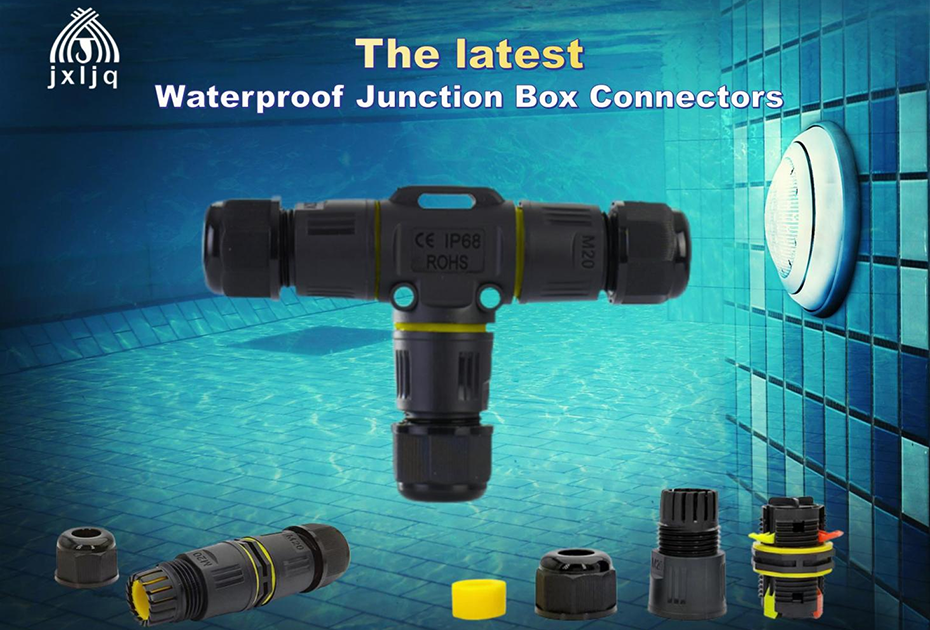
A practical guide to IP68 waterproof junction box connectors: how they seal, which type to choose, key specs to match, and installation tips for outdoor wiring.
Read More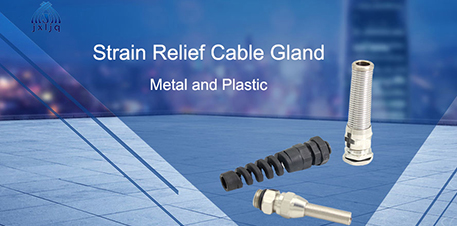
In a non-static application, if you still using a standard cable gland for your wire. It may cause kinking and chaffing to occur, more seriously, it can damage wires and have a chain of consequences. At this point, you can consider using Strain Relief Cable Glands. Strain Relief Cable Glands means the cable gland designed […]
Read More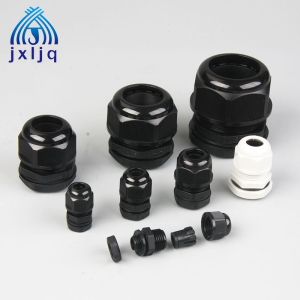
What is the main function of cable joints, what are nylon cable joints, and what are the commonly used classifications? Many people still don’t know. Today, Nylon cable gland manufacturers will answer the above questions for you. Now let’s take a look. Nylon Cable Gland Divided Structure G Thread The main function of nylon cable joint The […]
Read More