Outdoor electrical systems are constantly exposed to rain, humidity, dust, UV radiation, and temperature changes. When wiring protection is not properly designed, water ingress and connection failure often occur at the cable entry points rather than inside the equipment itself.
Understanding how waterproof cable glands and IP68 junction boxes for outdoor wiring systems work together is essential for preventing electrical faults, reducing maintenance costs, and ensuring long-term system stability. This article explains how these components function as a system, how to select them correctly, and what common mistakes engineers should avoid.
What Is a Waterproof Cable Gland and IP68 Junction Box System?
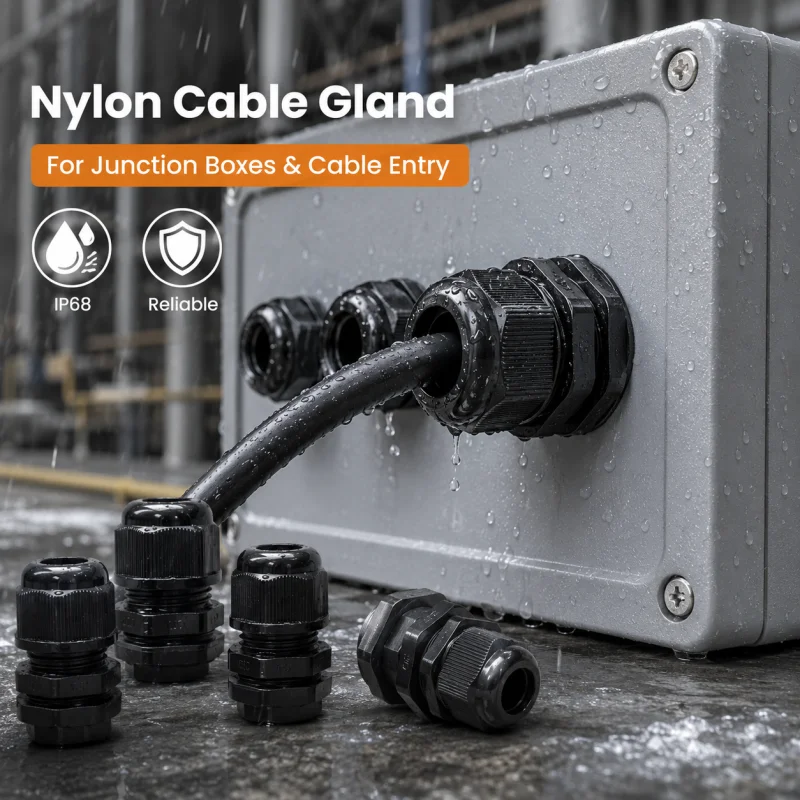
A reliable outdoor wiring protection system is not a single component—it is a combination of a sealed enclosure and controlled cable entry points.
Seal the cable entry point to prevent water and dust ingress
Provide strain relief to protect cable from mechanical pull
Maintain enclosure IP rating at the cable entry interface
It is the “transition point” between external wiring and internal electrical systems.
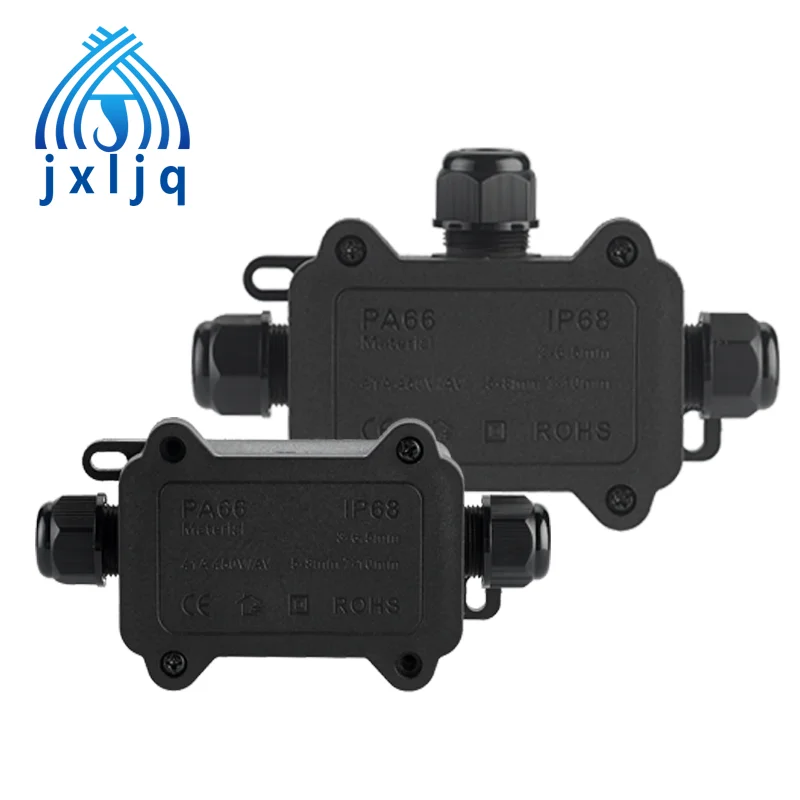
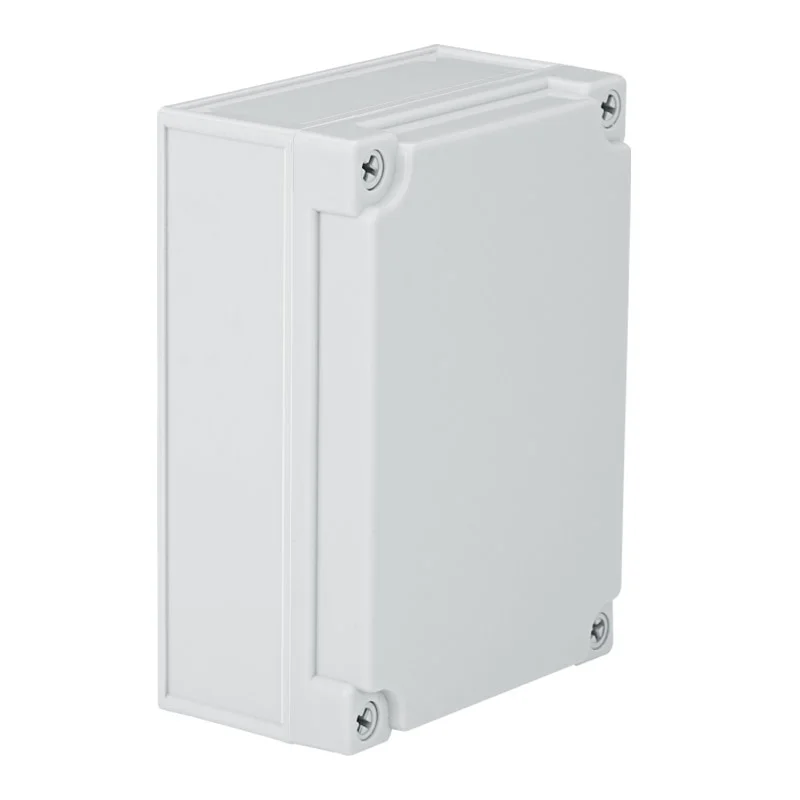
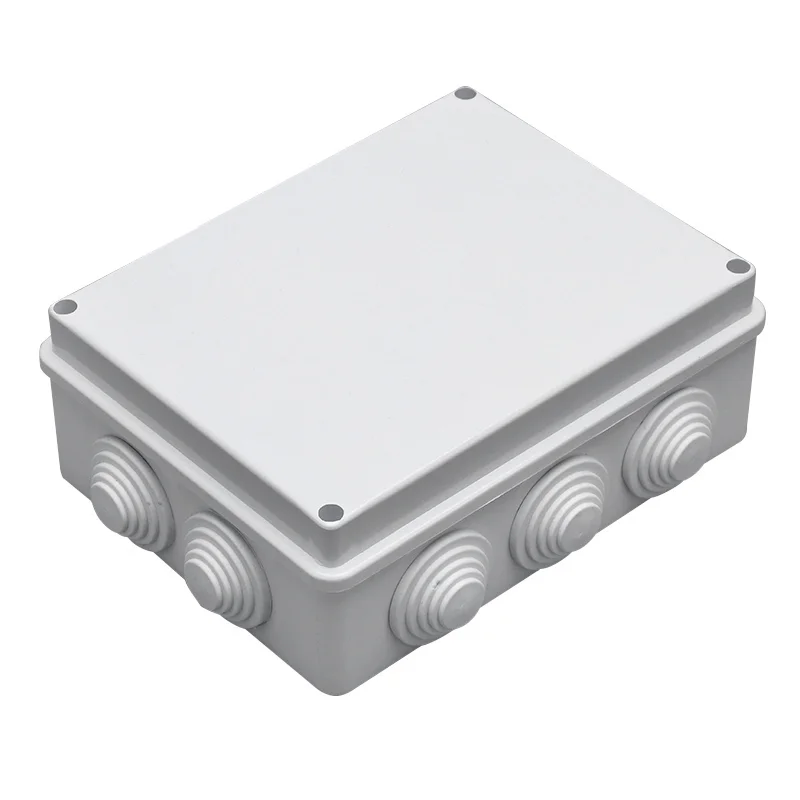
IP68 Junction Box Function
An IP68 junction box is a protective enclosure designed to:
Fully isolate electrical connections from external environment
Provide high-level protection against dust and long-term water immersion
Organize and secure internal wiring connections
Together, the cable gland and junction box form a complete cable entry sealing system, where each component protects a different part of the installation.
Difference Between Cable Gland and Junction Box
Although they are often used together, their functions are fundamentally different.
Item
Cable Gland
Junction Box
Primary Function
Cable entry sealing
Electrical connection protection
Installation Position
At cable entry hole
Main enclosure body
Protection Focus
Preventing leakage at entry point
Protecting internal wiring
Failure Impact
Water enters through cable
Internal circuit damage
Design Role
Sealing interface
System housing
In practical engineering design, a junction box without proper cable glands cannot maintain its IP rating under real outdoor conditions.
How IP68 Protection Works in Real Outdoor Wiring
IP68 is a protection rating that indicates high resistance to dust and water ingress. However, in real applications, its performance depends heavily on installation quality.
IP68 typically means:
Complete protection against dust ingress
Protection against continuous water immersion under specified conditions
However, IP68 performance can be reduced by:
Incorrect cable sizing
Improper tightening of cable glands
Damaged sealing gaskets
Poor enclosure drilling or installation
The actual waterproof performance is always determined by the weakest sealing point, usually the cable entry interface.
Outdoor Wiring Failure Causes (and How to Prevent Them)
Most failures in outdoor electrical systems are not caused by enclosure design, but by installation and sealing errors.
Common issues include:
Incorrect cable gland size leading to loose sealing
Over-tightening causing seal deformation
Undersized junction box creating cable stress
Poor gasket aging or improper material selection
Condensation buildup inside enclosures
These problems can be reduced by designing a complete sealing strategy rather than relying on a single component.
A system-level approach includes proper selection of:
Cable gland size matching cable outer diameter
IP68-rated junction box based on environment
Correct material selection for temperature and corrosion conditions
Application Scenarios for Waterproof Cable Gland + IP68 Junction Box
A combined sealing system is widely used in outdoor and industrial electrical installations where reliability is critical.
Solar Energy Systems
Used in combiner boxes and inverter wiring protection, where outdoor exposure is continuous.
EV Charging Infrastructure
Protects high-voltage wiring inside outdoor charging cabinets exposed to rain and vibration.
Outdoor Lighting Systems
Ensures safe cable entry for street lighting and architectural lighting installations.
Telecom and Infrastructure Equipment
Used in outdoor communication cabinets and signal distribution boxes exposed to environmental stress.
In all these scenarios, system reliability depends on how well cable entry sealing and enclosure protection are integrated.
How to Choose the Right Cable Gland and Junction Box
Correct selection should always be based on environmental and mechanical requirements rather than cost alone.
Key selection factors include:
Cable outer diameter compatibility
Required IP rating (IP65 to IP68 depending on environment)
Material selection (nylon for general use, metal for harsh environments)
Temperature and UV exposure conditions
Installation space and cable routing constraints
A structured selection approach helps avoid over-specification or under-protection, both of which can lead to system inefficiency.
If you need engineering-level guidance for sizing or selection, consulting a manufacturer with OEM/ODM capability can help ensure compatibility between enclosure and cable entry design.
System-Level Waterproofing vs Single Component Protection
A common misunderstanding in outdoor electrical design is assuming that either the junction box or cable gland alone can provide full protection.
In reality:
A junction box without proper cable glands loses IP protection at entry points
A cable gland without an enclosure cannot protect internal connections
System reliability depends on integration, not individual components
This is why modern outdoor wiring design follows a system sealing approach, where enclosure, cable entry, and internal layout are designed together.
FAQ: Waterproof Cable Glands and IP68 Junction Boxes
What is the function of a waterproof cable gland?
A waterproof cable gland seals the cable entry point to prevent water and dust from entering the enclosure. It also provides strain relief to protect the cable from mechanical stress.
Is an IP68 junction box completely waterproof?
IP68 provides high-level protection against dust and water immersion, but performance depends on correct installation and proper use of cable glands and seals.
Can cable glands be used without a junction box?
They can be used in some cases, but most outdoor electrical systems require a junction box to protect internal connections and maintain system integrity.
How do I choose the correct cable gland size?
The cable outer diameter must match the sealing range of the cable gland. Incorrect sizing is one of the most common causes of sealing failure.
What is the difference between IP67 and IP68 enclosures?
IP67 protects against temporary immersion, while IP68 is designed for longer or deeper water exposure under specified conditions.
Conclusion
Waterproof cable glands and IP68 junction boxes should be selected and designed as a combined outdoor wiring protection system, not as separate components.
The most reliable installations are those that:
Match cable gland size precisely
Use appropriate IP-rated enclosures
Consider real environmental conditions
Focus on system-level sealing rather than single-point protection
For engineers and procurement teams, the key decision is not just choosing a product, but designing a complete and reliable outdoor wiring protection system that can withstand long-term environmental stress.
JIXIANG explosion proof cable glands are designed for hazardous and explosive environments where maximum safety is required. Our EX cable glands comply with ATEX and international explosion-proof standards, ensuring reliable cable sealing and grounding in oil & gas, chemical, and industrial applications. Product Types Single seal explosion-proof cable gland Double seal armored cable gland (CW […]
For engineers and technical procurement specialists in Europe and Australia, selecting the right cable gland is critical to ensure both electrical safety and long-term system reliability. The IP68 Nylon Cable Gland offers a specific combination of waterproof performance, electrical insulation, and lightweight material properties that are essential in many industrial applications. Understanding its features, proper […]
Introduction In electrical and industrial installations, protecting cables from water, dust, and environmental damage is critical. One of the most commonly used solutions is the IP68 nylon cable gland.This article explains what an IP68 nylon cable gland is, how it works, and why it is widely used in industrial and outdoor applications. What Does IP68 […]
We use cookies to enhance your browsing experience, serve personalised ads or content, and analyse our traffic. By clicking "Accept All", you consent to our use of cookies.