Have you ever confused what is the IP Rating and how to select suitable IP Rating of Metal Cable Glands?
Believe you will get some help after you finish reading this article.
It’s necessary to know what is an IP rating mean before select correct Metal Cable Glands.
The IP (Ingress Protection) Rating of a Metal Cable Glands indicates whether a product can withstand water or dust penetration.
And the rating consists of the letters IP followed by two digits, The first number denotes foreign body ingress protection, the second moisture.
The higher the number the better the protection.Sometimes a number is replaced by X, which indicates that the enclosure is not rated for that specification.
In general ,you can refers to the level of sealing effectiveness as defined in IEC 60529 (Formerly BS EN 60529:1992) to check the IP rating of Metal Cable Glands.
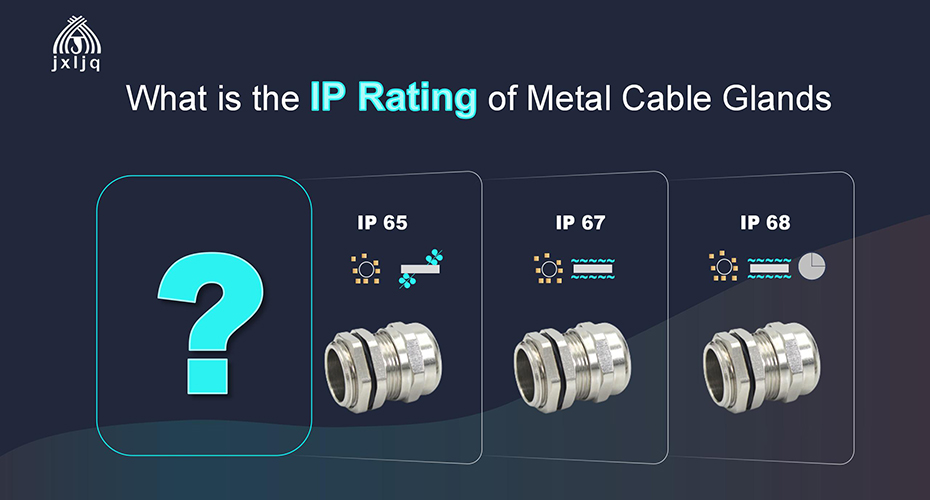
The most common IP rating are probably 65,66,67 and 68 in Metal Cable Glands.
These are defined below for your quick reference.
IP65 Enclosure – IP rated as “dust tight” and protected against water projected from a nozzle.
IP66 Enclosure – IP rated as “dust tight” and protected against heavy seas or powerful jets of water.
IP 67 Enclosures – IP rated as “dust tight” and protected against immersion. for 30 minutes at depths 150mm – 1000mm
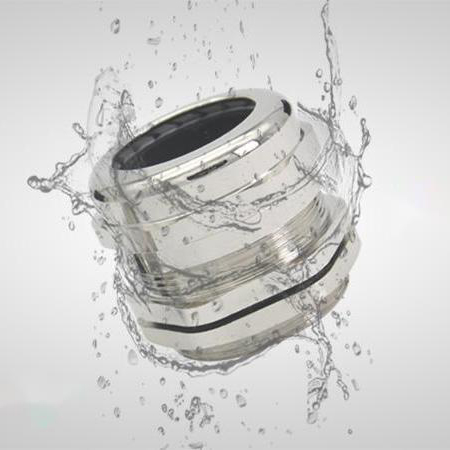
IP 68 Enclosures – IP rated as “dust tight” and protected against complete, continuous submersion in water.
Moreover, the extent of the ingress protection implied by each number have been described in the following table:
Protection Level
Solids Rating (First Number)
Liquids Rating (Second Number)
0 or X
Not rated for protection against contact or ingress (or no rating supplied).
Not rated (or no rating supplied) for protection against ingress of this type.
1
Protection against solid objects larger than 50 mm (e.g. accidental contact with any large surface of the body, but not deliberate body contact).
Protection against vertically dripping water. No harmful effects when the item is upright.
2
Protection against solid objects larger than 12 mm (e.g. accidental finger contact).
Protection against vertically dripping water. No harmful effects when tilted up to 15° from normal position.
3
Protection against solid objects larger than 2.5 mm (e.g. tools).
Protection against water sprayed directly at any angle up to 60° off vertical.
4
Protection against solid objects larger than 1 mm (e.g. small objects such as nails, screws, insects).
Protection against splashing water from any direction. No harmful effects when tested for at least 10 minutes with an oscillating spray (limited ingress permitted).
5
Dust protected: partial protection against dust and other particulates (permitted ingress will not compromise the performance of internal components).
Protection against low-pressure jets. No harmful effects when water projected in jets from 6.3 mm nozzle, from any direction.
6
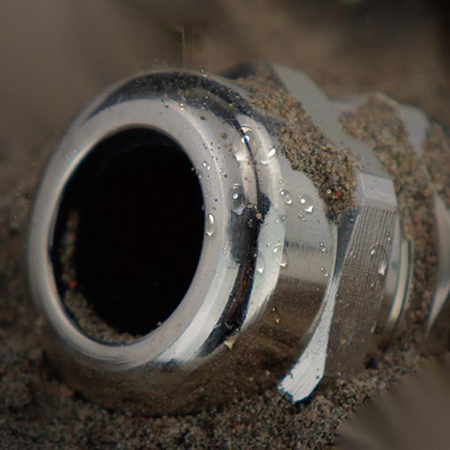
Dust tight: full protection against dust and other particulates.
Protection against powerful water jets. No harmful effects when water projected in jets from 12.5 mm nozzle, from any direction.
7
N/A
Protection against full immersion at up to 1 meter depth for up to 30 minutes. Limited ingress permitted with no harmful effects.
8
N/A
Protection against immersion beyond 1 meter. Equipment is suitable for continuous immersion in water. The manufacturer may specify conditions.
Any other questions, please contact Jixiang Connector.
We’re pleased to advise you on the correct Metal Cable Glands and IP rating for your requirements.
If you found this article helpful or interesting, please share it!
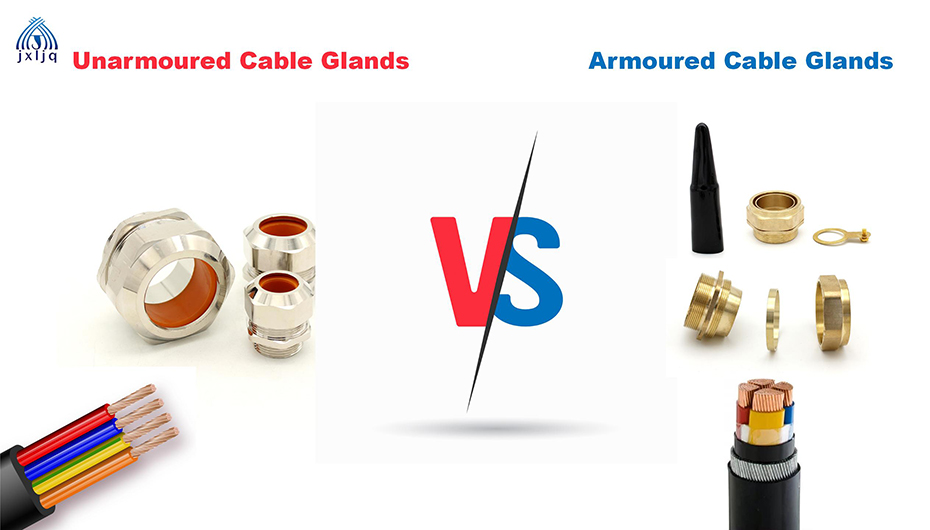
What is armoured cable gland? Under IEC standards, there are two main cable gland types according to mechanical properties, which are non-armoured cable gland and armoured cable gland. This main difference between unarmored and armoured cable gland is that the armoured cable gland are designed for use with steel-wired armoured (SWA) cables. What is armoured […]
Electromagnetic Compatibility, also known as EMC, is the ability of electrical equipment and systems to function acceptably in their electromagnetic environment. The goal of EMC is the correct operation of different equipment in a common electromagnetic environment. That’s why the EMC cable gland is important in the shielding concept of a system. The EMC cable gland […]
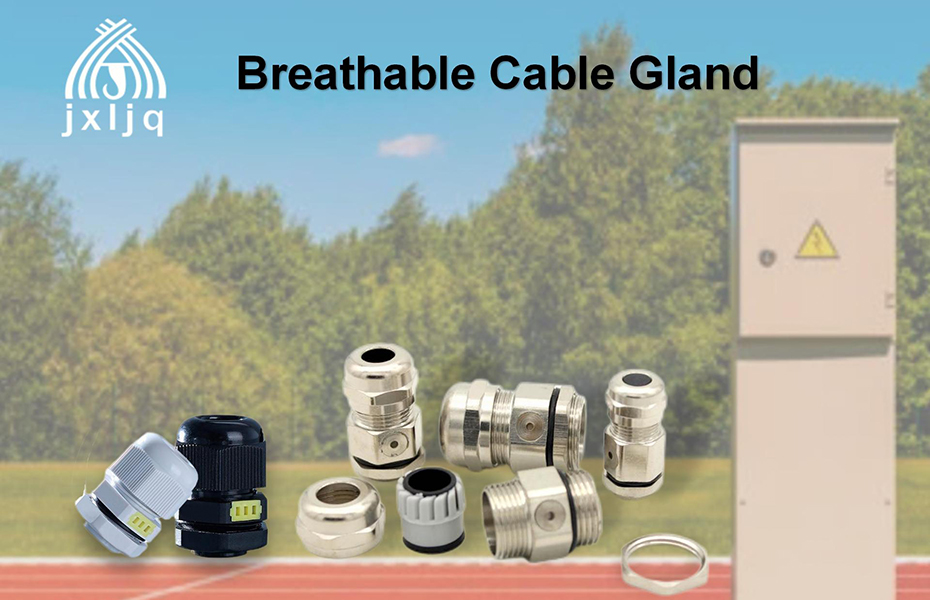
A breathable cable gland allows air to pass through, which helps to equalize pressure and prevent moisture build-up within an electrical enclosure or housing, can help to improve the lifespan and reliability of the equipment it is installed in. Additionally, breathable cable glands may also make it easier to inspect and maintain the enclosed electrical […]
We use cookies to enhance your browsing experience, serve personalised ads or content, and analyse our traffic. By clicking "Accept All", you consent to our use of cookies.