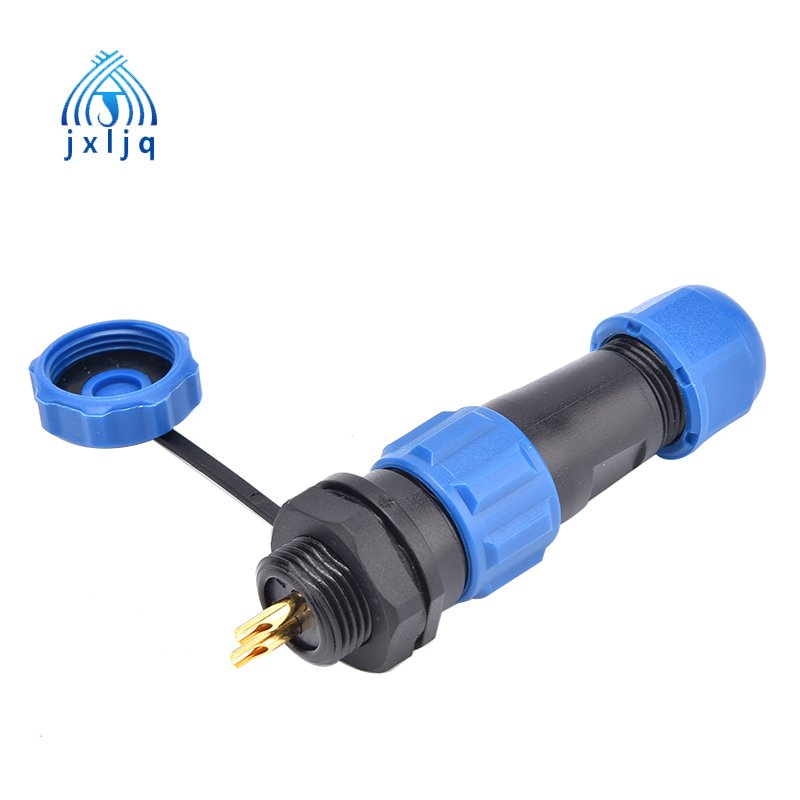
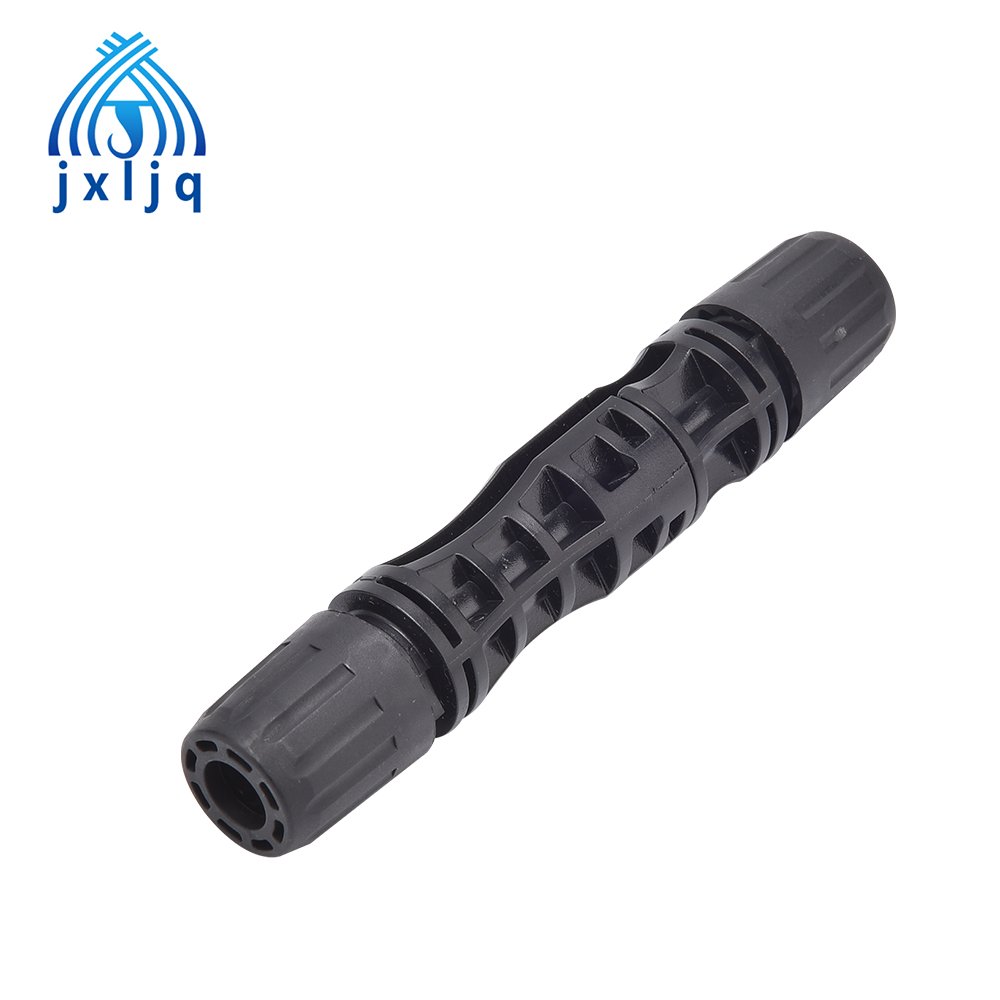
What is the main function of cable joints, what are nylon cable joints, and what are the commonly used classifications? Many people still don’t know. Today, Nylon cable gland manufacturers will answer the above questions for you. Now let’s take a look.
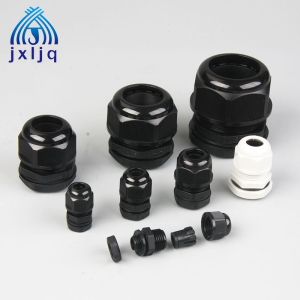
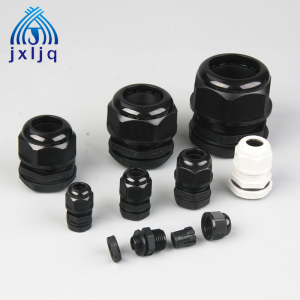
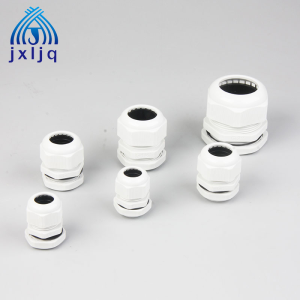
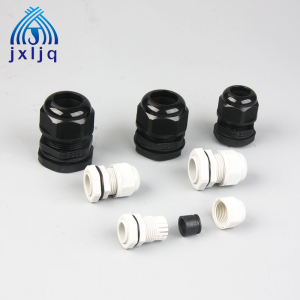
Nylon Cable Gland Divided Structure G Thread
The main function of nylon cable joint
The main function of the cable joint is to make the line unobstructed, keep the cable sealed, and ensure the insulation level of the cable joint so that it can run safely and reliably. If the seal is not good, not only oil leakage will cause the oil-impregnated paper to dry up, but also moisture will invade the inside of the cable, reducing the insulation performance of the paper.
The cable joint is also called the cable head. After the cable is laid, to make it a continuous line, each section of the line must be connected as a whole, and these connection points are called cable joints. The main function is to make the line unobstructed. The phenomenon of heating of the wire joints generally first manifests as a peculiar smell around the wire joints, which can be smelled. This is because the heat of the wire joints makes the outer insulation layer smell; secondly, smoke and redness are emitted from the wire joints. , The outsourcing insulation layer turns black, catches fire, or even disconnects.
What are Nylon Cable Glands?
The cable joint is a component in the cable line, which is used to realize the connection of two cables and improve the electric field at the end of the two cables. When one end of the cable is connected to other electrical equipment, a cable terminal is required; when one end of two cables is connected to a cable line, a cable intermediate joint is required, and the cable terminal and the intermediate joint are collectively referred to as a cable end. The main function of the cable head is to seal the cable. When the cable leaves the factory, both ends are sealed, but when laying or connecting, its ends must be cut open, which destroys its sealing. If the end of the cable is not sealed during laying or the quality of the cable head is unqualified, the cable head will leak oil, and finally, the insulating oil will dry up, and the insulation performance will be greatly reduced, which will affect the safe operation of the cable.
Classification of cable glands
① According to the joint material, it is divided into plastic cable joints and metal cable joints. Metal cable joints are further divided into porous metal cable waterproof joints, anti-bending metal cable joints, double-lock metal cable waterproof joints, plastic hose cable joints, metal hose cable joints, etc.
②According to the installation site, it can be divided into the indoor type and outdoor type.
③ According to the production and installation materials, it can be divided into heat-shrinkable type (the most commonly used one), dry-pack type, epoxy resin casting type, and cold-shrinkable type.
④ According to the wire core material, it can be divided into copper core power cable head and aluminum core power cable head.
There are two types of cable terminals: indoor and outdoor. Nylon cable joint manufacturers warmly remind us that because outdoor cable terminals are easily affected by wind, rain, ice, snow, and ambient climate, the working conditions are poor and the structure is relatively complicated. The working condition of the indoor cable terminal is better, no waterproof device is required, and the cable core wire can be directly connected to the equipment.
[vc_row][vc_column][vc_column_text]The application of outdoor lighting can be seen everywhere in our life nowadays. The old-fashioned way to connector wire such as wrap a few layers of insulating glue unable to meet the requirements of outdoor lamps. You will know how importance of cable glands for outdoor lamps in the article. Why need the cable glands for […]
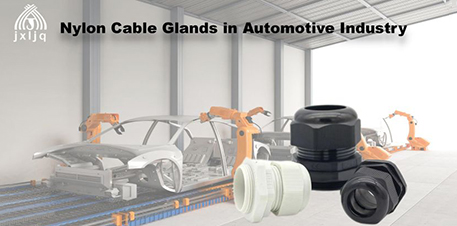
Because of Nylon Cable Glands perform a number of essential roles in cable management and have excellent performance in resistance to abrasion, corrosion, acid and alkali. Jixiang’s Nylon Cable Glands serve a wide range of automotive markets around the world. Application of Nylon Cable Glands in automotive equipment Nylon Cable Glands can be used for wire connection […]
What is Flexible Spiral Cable Glands? Cables for electrical appliances and machinery that are moved under normal use must be protected against excessive bending. Flexible spiral cable glands can be a cost-effective solution for you. Flexible spiral cable glands are liquid-tight, spiral strain relief that can protect your wires and minimize repairs, avoid damage and […]
We use cookies to enhance your browsing experience, serve personalised ads or content, and analyse our traffic. By clicking "Accept All", you consent to our use of cookies.